
From Landfill to Loam
When you toss food scraps in the garbage, they end up in a landfill. Deprived of oxygen, they decompose anaerobically, releasing methane—a potent greenhouse gas. According to the EPA, food is the single largest category of material placed in municipal
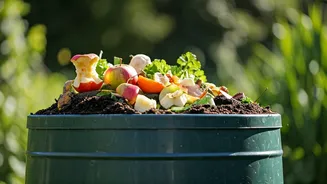
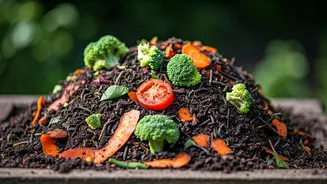
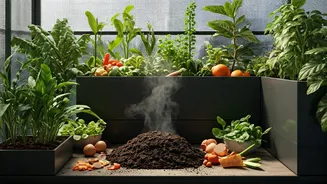
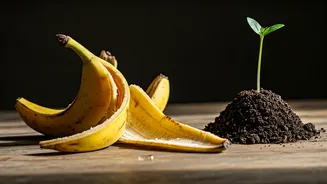
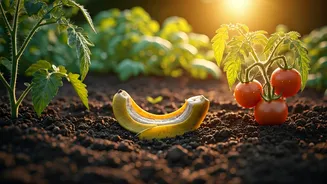
landfills, where it emits methane, contributing to climate change. Composting flips that script entirely. By managing the decomposition of your organic waste at home, you divert it from the landfill, cut down on harmful emissions, and create a valuable resource for your garden or houseplants. This process transforms what was once considered garbage into 'black gold'—a dark, crumbly, nutrient-dense soil amendment that plants adore. It improves soil structure, helps it retain moisture (meaning you water less), and reduces the need for chemical fertilizers.
The Recipe for Rich Compost
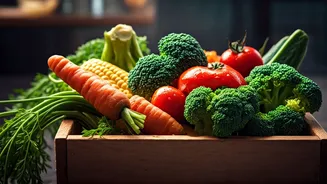
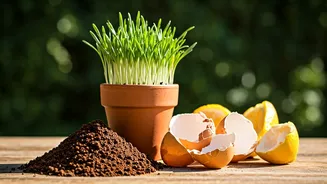
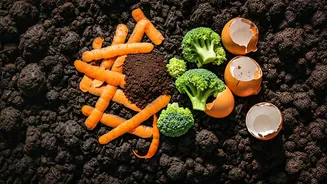
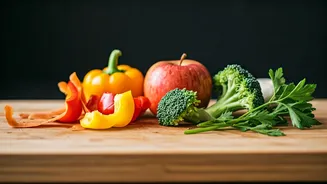
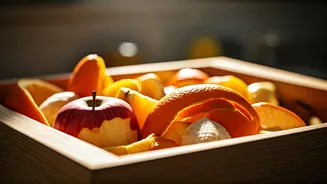
Great compost follows a simple recipe: a balance of 'greens' and 'browns.' This isn't about color, but about what the materials contribute to the decomposition process. 'Greens' are nitrogen-rich materials. These are typically 'wet' items that decompose quickly and provide the protein for the microorganisms doing all the hard work. Think of things like fruit and vegetable scraps, coffee grounds, tea bags (without the staple), grass clippings, and eggshells (crushed for faster breakdown). 'Browns' are carbon-rich materials. These are the 'dry' items that provide energy for the microbes and add bulk to prevent the pile from becoming a slimy, smelly mess. Common browns include dried leaves, twigs, cardboard (shredded and un-coated), paper towels, newspaper, and sawdust from untreated wood. A healthy compost pile generally needs a ratio of about two to three parts browns for every one part greens. Too much green material leads to a stinky, wet pile; too much brown, and the decomposition process will slow to a crawl.
What to Leave Out of the Pile
While most plant-based kitchen waste is perfect for compost, some items should never be added. These materials can attract pests, create foul odors, or introduce harmful pathogens into your finished soil. Keep this 'no-go' list in mind: - Meat, fish, and bones: These will rot and produce a powerful, unpleasant smell that attracts rodents and other unwanted animals. - Dairy products and eggs (the liquid part): For the same reason as meat, dairy will cause odor problems and attract pests. - Oily or greasy foods: Fats and oils can disrupt the moisture balance of your pile and slow down decomposition. - Pet waste (from cats or dogs): This can contain parasites and bacteria that are harmful to humans and won't be reliably killed by the temperatures in a typical backyard compost pile. - Diseased or insect-infested plants: You risk reintroducing those same problems back into your garden when you use the finished compost. - Weeds that have gone to seed: You're essentially planting a weed farm in your compost bin. - Chemically treated yard trimmings: Pesticides and herbicides can harm the beneficial microorganisms in your pile and contaminate your soil.
Getting Started: Simple Setups
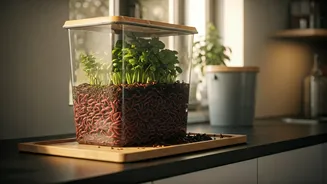
You don't need a fancy or expensive system to start composting. The simplest method is an open pile in a corner of your yard. Just layer your greens and browns, keep the pile about as damp as a wrung-out sponge, and turn it with a pitchfork every week or two to aerate it. For a tidier look, you can build a simple bin with wood pallets or wire mesh. If space is limited or you're concerned about critters, a closed compost tumbler is a great option. These enclosed barrels, which can be rotated with a crank, speed up the process and keep things contained. For apartment dwellers or those with no yard, options like vermicomposting (using worms in a bin) or countertop electric composters can turn scraps into soil indoors. The key is to start with what feels manageable. A small countertop pail for collecting daily scraps can be the first simple step on your composting journey.