

Why Trade Sunshine for Showers?
For most travelers, the word “monsoon” conjures images of canceled plans and soggy misery. But in India, the rainy season is a celebrated, life-giving force that reawakens the landscape. The dust settles, the heat breaks, and the entire subcontinent bursts
into a vibrant, almost surreal shade of green. The advantages for a traveler are clear: fewer crowds at major sites, often lower prices for flights and hotels, and the chance to see a side of the country that most tourists miss. It’s a time for cozying up with a cup of chai, watching dramatic storms roll in over ancient landscapes, and experiencing the profound sense of renewal that the rains bring.
Kerala: The Southern Sanctuary
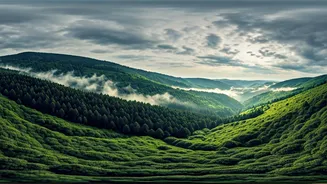
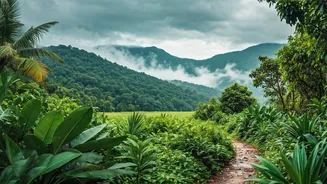
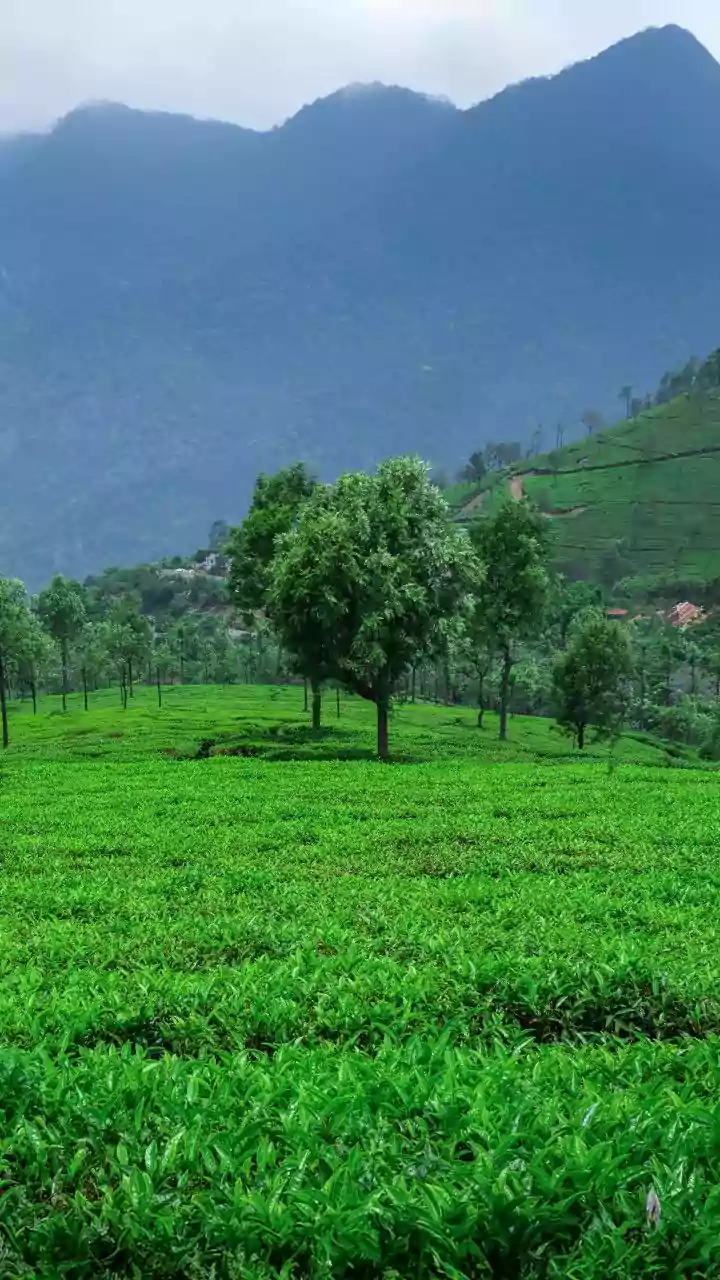
When the monsoon first arrives on India’s southwestern coast, it washes over Kerala in a gentle, romantic wave. This is not a region of violent downpours but of steady, soul-soothing rain. The famous backwaters, a network of serene lagoons and canals, are at their most beautiful, with overflowing banks feeding lush paddy fields. Houseboat journeys become cozier and more intimate. Up in the hills of Munnar, low-hanging clouds drift through emerald-green tea plantations, creating a mystical, moody landscape perfect for hiking between showers. The monsoon is also traditionally considered the best time for Ayurveda, the ancient Indian system of medicine. Keralan wellness centers believe the cool, moist air helps the body become more receptive to therapeutic treatments, making it the perfect season for a restorative escape.
Meghalaya: The Abode of the Clouds
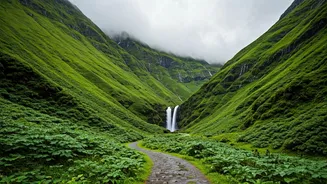
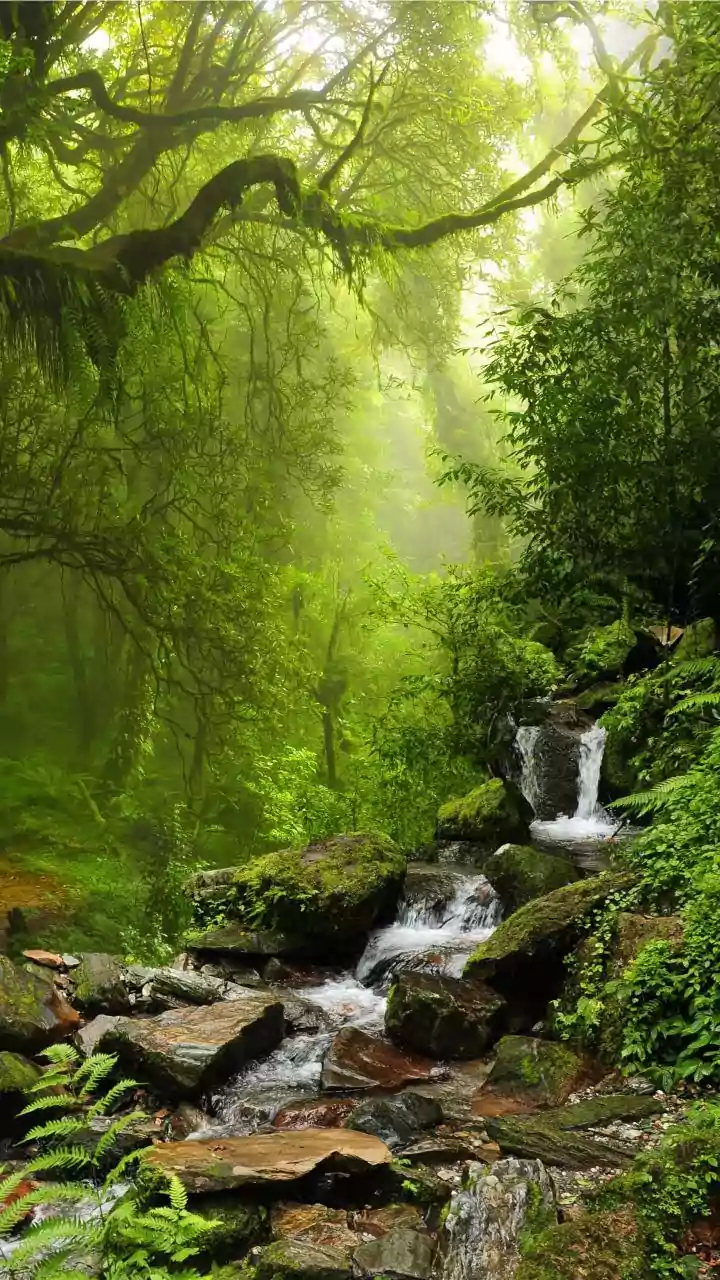
If Kerala is the gentle poet of the monsoon, Meghalaya is its dramatic rock star. Tucked away in India’s northeast, its name literally translates to “the abode of the clouds,” and it more than lives up to it. This is home to Mawsynram and Cherrapunji, two of the wettest places on Earth. Here, the monsoon is an epic, all-encompassing force. Waterfalls that are mere trickles in the dry season become thundering cataracts, plunging hundreds of feet into misty valleys. The region’s most incredible sights, the living root bridges, are particularly magical during this time. Woven by the Khasi people from the roots of rubber trees, these natural wonders glisten with rain, surrounded by a jungle that feels impossibly alive. It’s an adventurer’s paradise for those who don’t mind getting wet.
Other Monsoon Havens
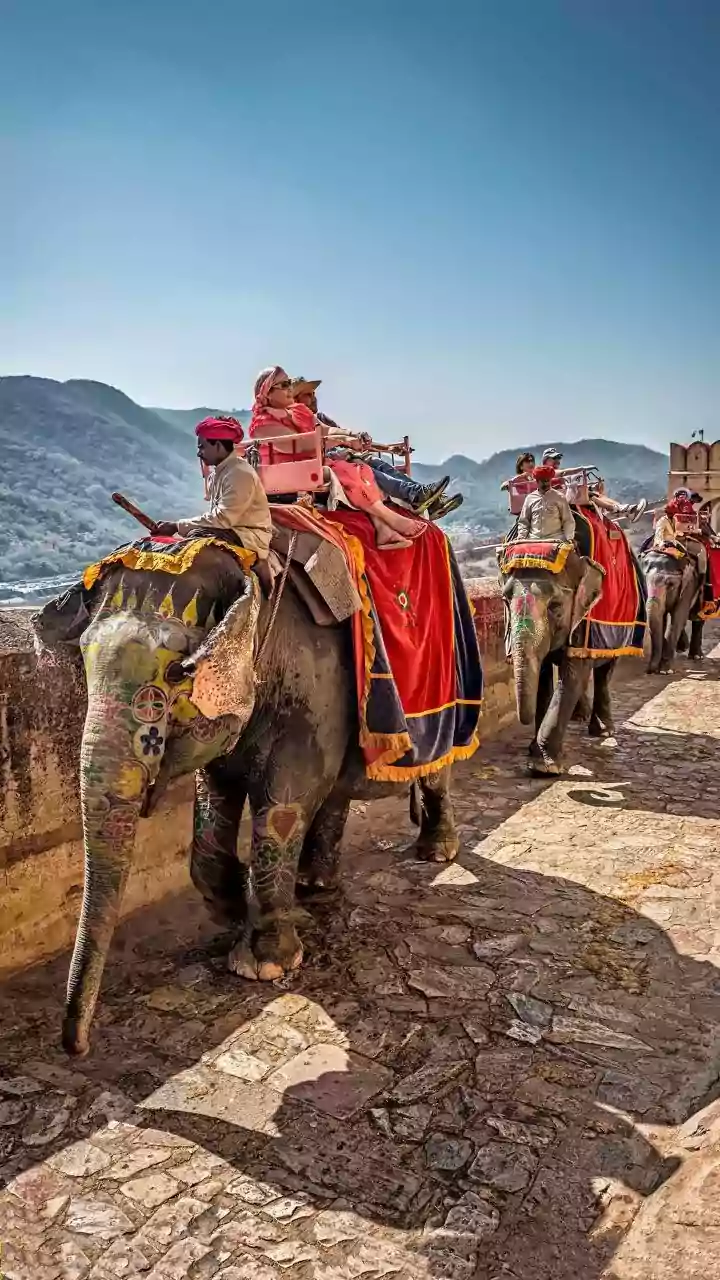
While Kerala and Meghalaya are stunning bookends to the monsoon experience, they are far from the only options. The Western Ghats, a mountain range running parallel to India’s west coast, offers spectacular scenery. Hill stations like Coorg in Karnataka become a verdant wonderland of coffee plantations and spice gardens. Even Goa, famous for its sun-drenched beaches, takes on a different personality. The party scene quiets down, the beaches empty out, and it becomes a lush, green retreat with a laid-back, local vibe. For those seeking culture, destinations in Rajasthan like Udaipur and Bundi offer a unique perspective, where the rain fills ancient lakes and reflects majestic palaces, breaking the arid spell of the desert.
Your Monsoon Survival Guide
Packing and planning for a monsoon trip requires a different mindset. First, embrace flexibility; travel delays due to heavy rain are possible, so build buffer days into your itinerary. For clothing, leave the cotton at home. Opt for quick-drying synthetic fabrics that won’t stay damp for days. A reliable rain jacket and waterproof shoes with good grip are non-negotiable. Protect your electronics with waterproof bags or cases. Finally, don't overschedule. The joy of a monsoon trip lies in its slower pace. It’s about finding a dry perch with a great view and simply watching the world get washed clean, one raindrop at a time.