
The Only Hill Station in the Desert
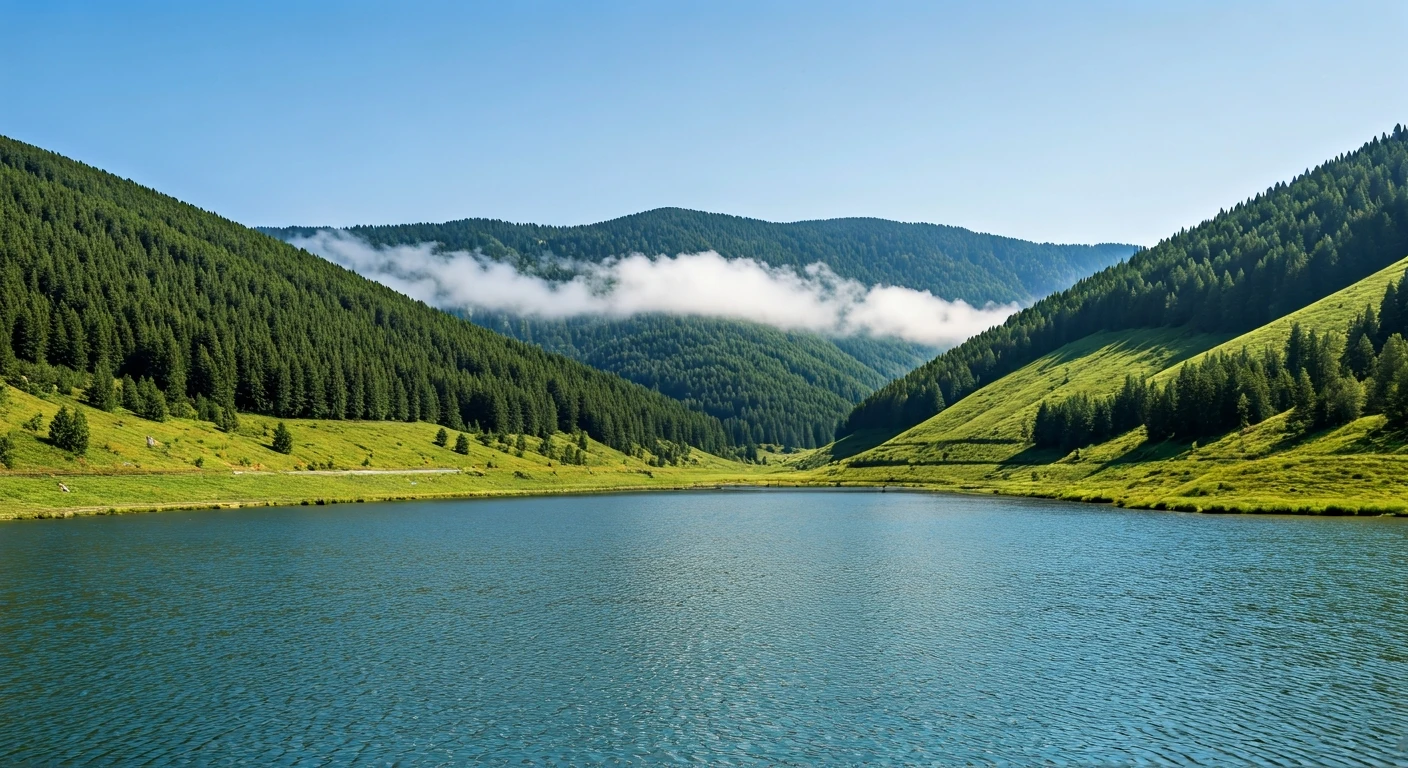
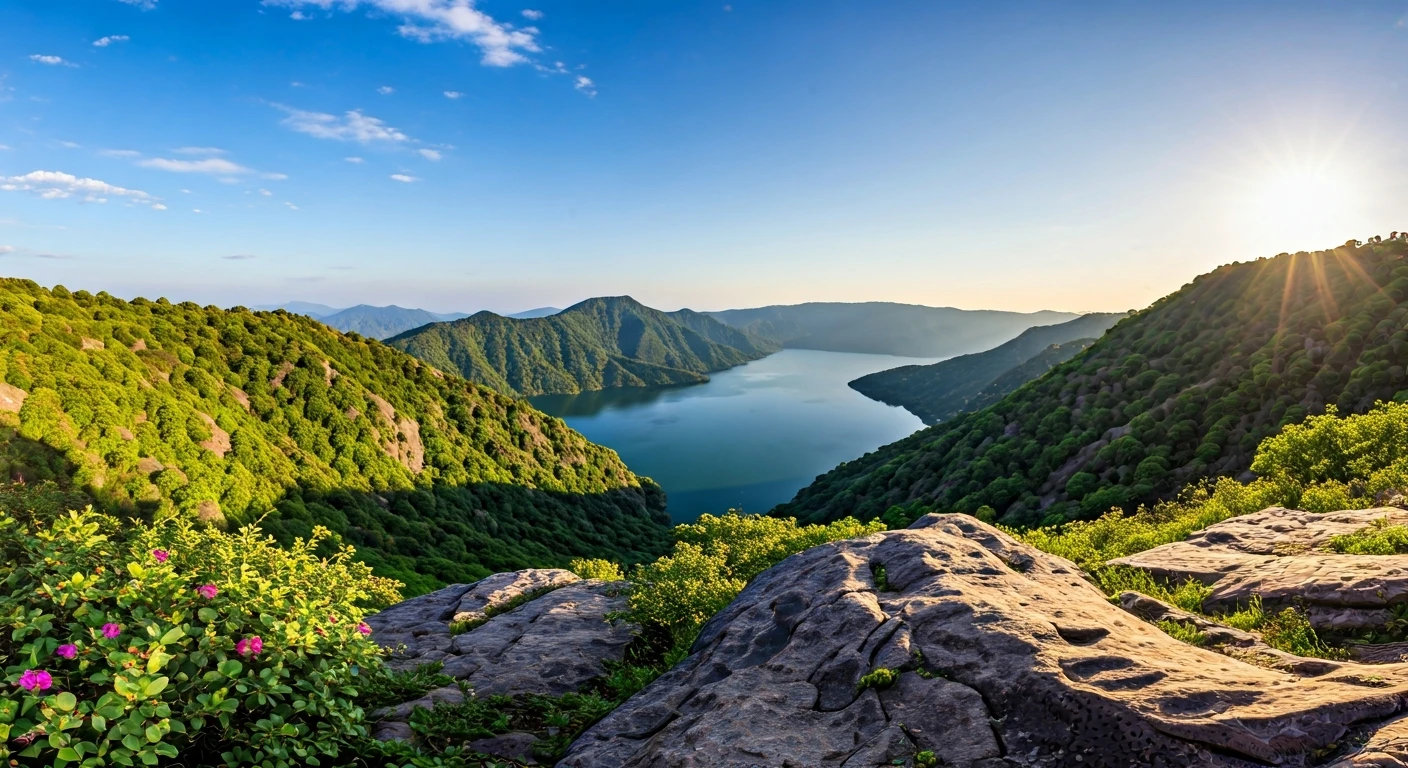
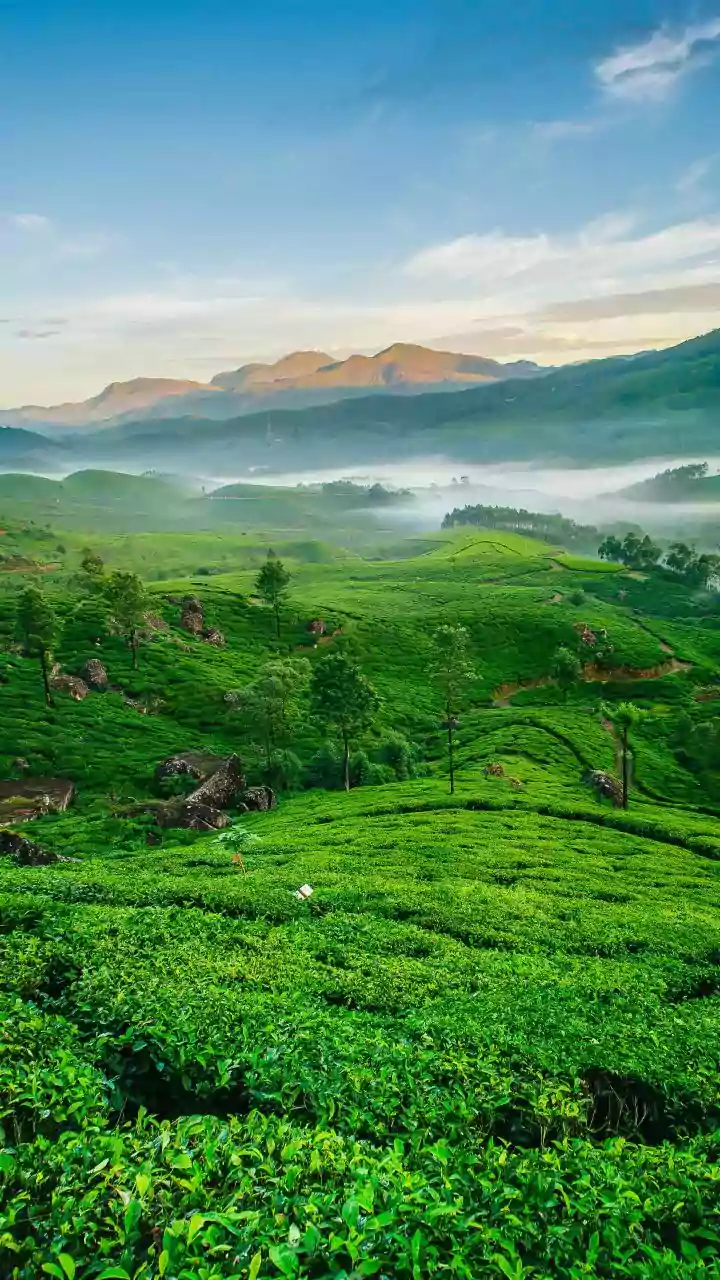
First, let’s get our bearings. Mount Abu is the only hill station in the entire state of Rajasthan, a region known for its sprawling Thar Desert. Situated in the Aravalli Range, it’s a distinct rocky plateau rising over 4,000 feet, creating a microclimate
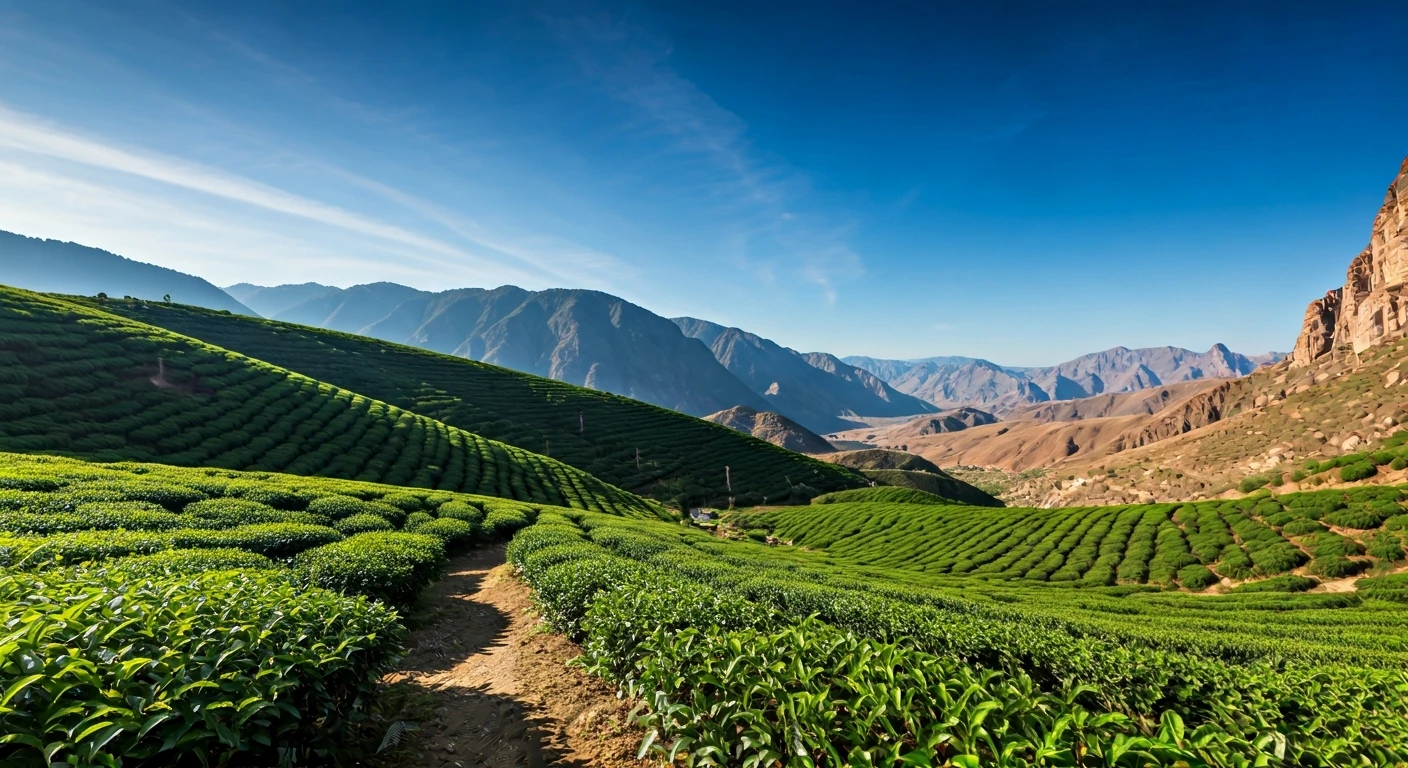
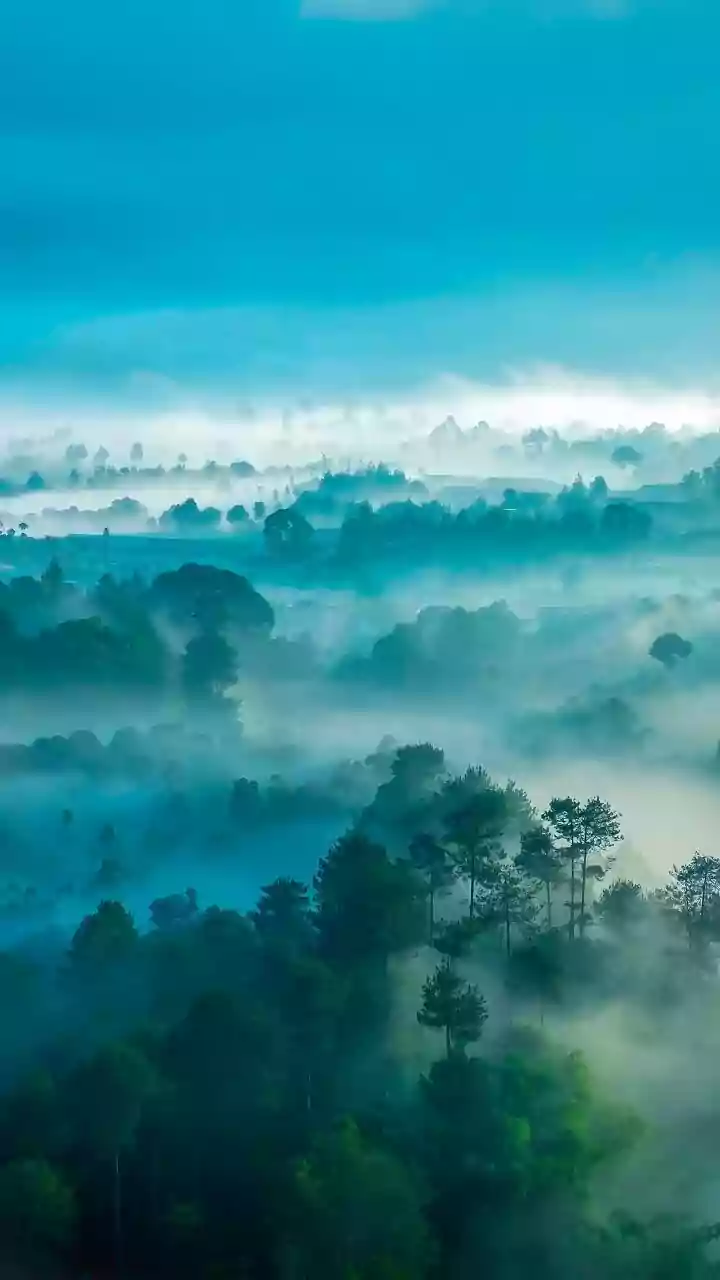
that’s a world away from the blistering heat below. While the plains sizzle, Mount Abu enjoys cool breezes, lush forests of pine and eucalyptus, and a tranquil atmosphere that has made it a beloved retreat for centuries. For American travelers accustomed to the grand scale of national parks like Zion or the Grand Canyon, imagine finding a slice of the Blue Ridge Mountains unexpectedly dropped into the middle of Arizona. It’s this stark, wonderful contrast that defines Mount Abu’s unique identity and makes it such a compelling destination.
Nakki Lake: The Heart of the Town
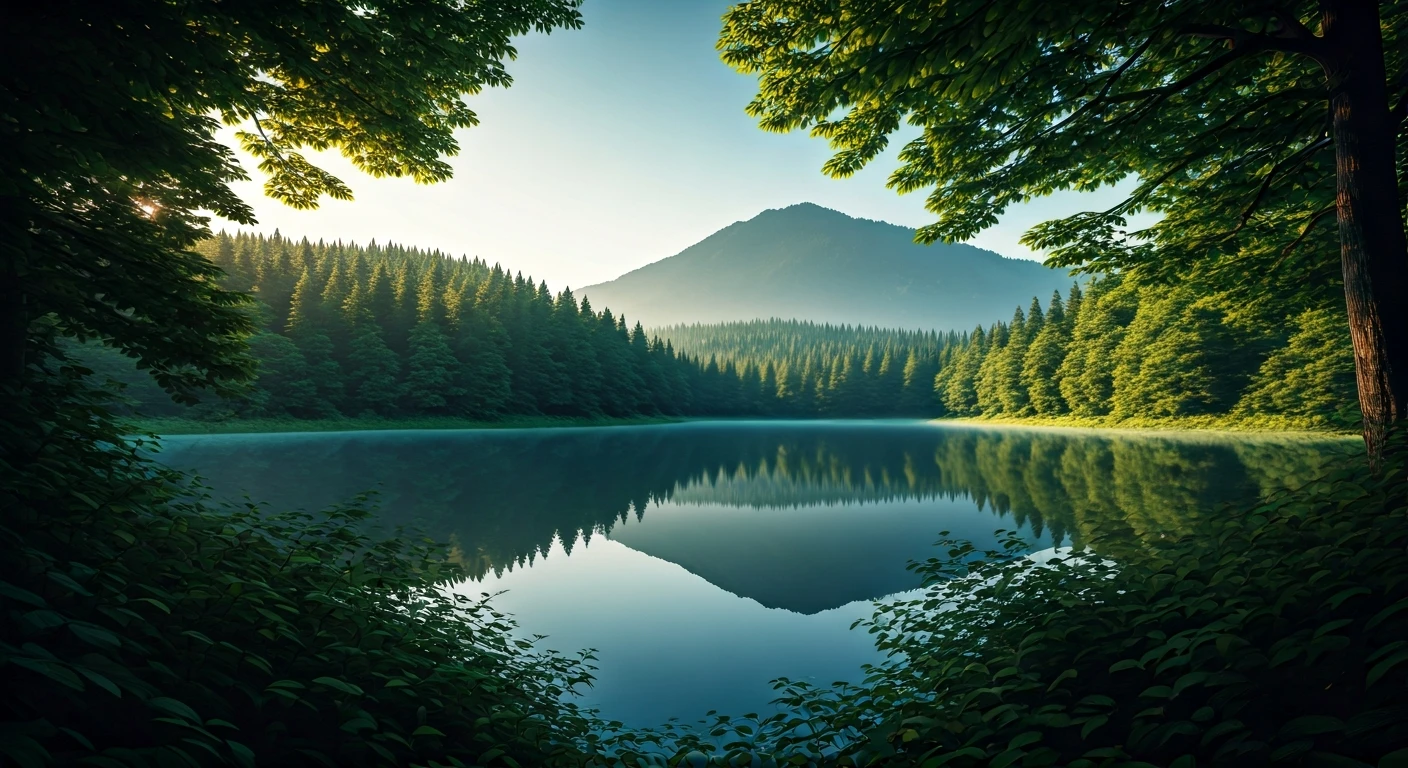
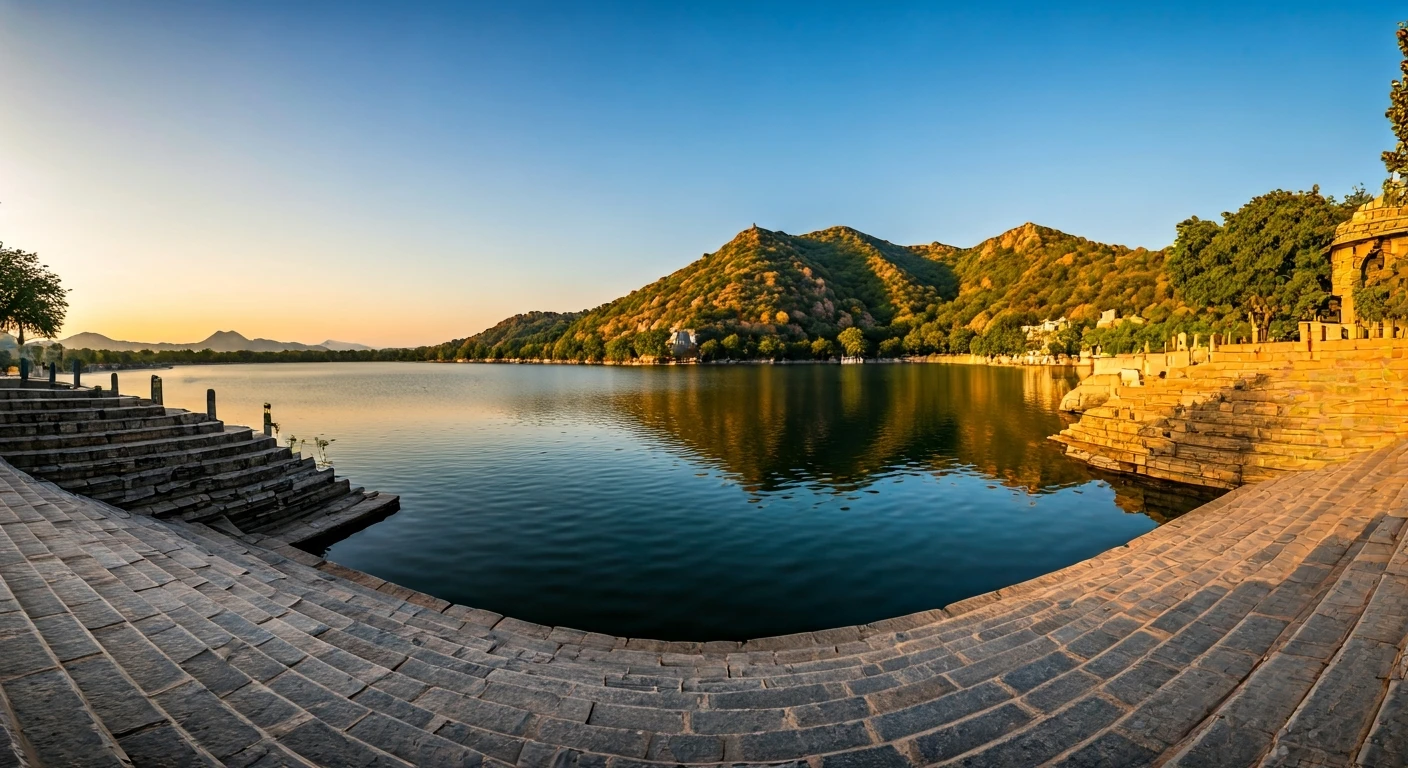
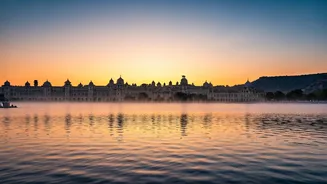
The centerpiece of life in Mount Abu is Nakki Lake, a serene, man-made body of water steeped in local legend. One story claims it was dug by the gods using their fingernails (or *nakh*), hence the name. Whether divine or man-made, it's the town's social and recreational hub. The path circling the lake is perfect for a leisurely stroll, and the water itself is dotted with swan-shaped paddle boats, a kitschy but undeniably charming sight. Surrounded by hills, cafes, and the hum of happy tourists, the lake feels like a scene from a lakeside town in New England, but with an unmistakable Indian flavor. It's the kind of place where you can grab a sweet corn on the cob from a street vendor and watch the sunset paint the water in hues of orange and pink.
Dilwara Temples: A Marble Masterpiece
Just a short drive from the main town lies a site that justifies a trip to Mount Abu all on its own: the Dilwara Temples. From the outside, they appear deceptively simple. But step inside, and you’re transported into a world of breathtakingly intricate marble carving. Built between the 11th and 13th centuries, these five temples are dedicated to Jain Tirthankaras and are considered some of the finest examples of Jain architecture in the world. Every ceiling, pillar, and doorway is covered in delicate, lace-like patterns, depicting everything from mythological scenes to floral motifs. The detail is so fine that some parts of the marble are translucent. It’s a testament to artistic devotion that feels both sacred and otherworldly, leaving even the most jaded travelers in absolute awe.
Guru Shikhar: A View from the Top
For the best panoramic views of the surrounding landscape, a trip to Guru Shikhar is essential. At 5,650 feet, it is the highest peak in the Aravalli Range. The drive up is winding and scenic, passing through dense greenery. From the summit, you can see the vast, rugged expanse of the hills giving way to the distant plains of Rajasthan. It’s a powerful visual reminder of just how special Mount Abu's geography is. At the very top, there’s a small temple dedicated to Guru Dattatreya, an incarnation of the Hindu deities Brahma, Vishnu, and Shiva. Visitors ring a large bell to mark their pilgrimage, its sound echoing across the mountains. It’s a moment that combines natural beauty with spiritual resonance.
Sunset Point and Local Life
Beyond the major landmarks, much of Mount Abu's charm lies in its simple pleasures. Sunset Point is a classic tourist stop, and for good reason. Crowds gather here each evening to watch the sun dip below the Aravalli hills in a blaze of glory. It's a communal, festive experience complete with snack stalls and horseback rides. Afterward, the town’s main market comes alive. It's a fantastic place to wander, browse shops selling colorful Rajasthani textiles and trinkets, and sample local food. Unlike the grand palaces and forts elsewhere in Rajasthan, Mount Abu offers a different pace—a chance to relax, breathe in the cool mountain air, and simply enjoy a slower, greener side of India.