
What is an ‘Ancestral’ Diet?
In the South Asian context, an “ancestral diet” isn't a rigid, one-size-fits-all plan. It’s a philosophy. Think less about counting macros and more about embracing the culinary wisdom passed down through generations. It means swapping highly processed,
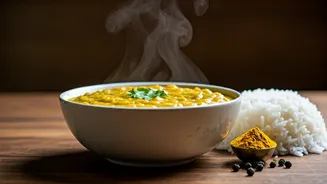
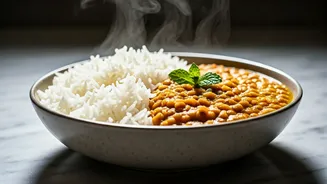
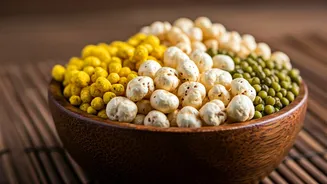
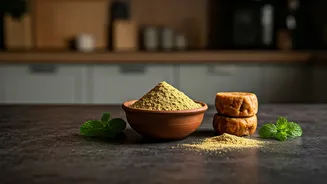
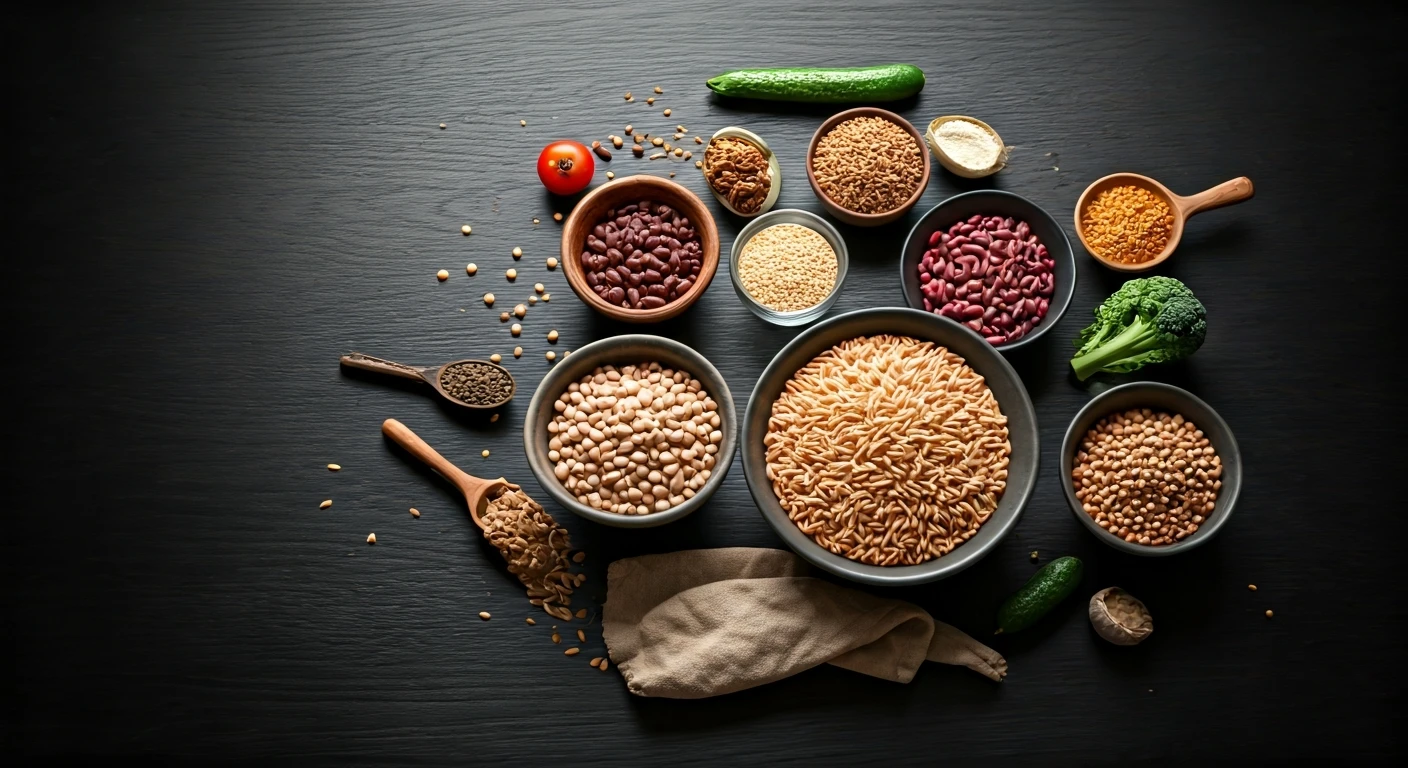
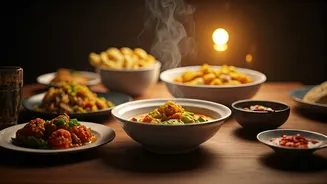
Westernized foods for the whole, nutrient-dense staples that defined the kitchens of grandparents in India, Pakistan, Bangladesh, and beyond. We’re talking about hearty bowls of daal (lentils) cooked with turmeric and ginger, rotis made from ancient grains like millet or sorghum instead of refined white flour, and the liberal use of healthy fats like ghee (clarified butter) instead of industrial seed oils. It’s about eating seasonally, just as one would in a village where produce is dictated by the harvest, not a global supply chain. This approach champions regional diversity, honoring the fact that what’s “ancestral” in Punjab is different from what’s traditional in Kerala.
A Reaction to Modern Health Woes
This movement is more than a simple longing for the past; it’s a direct and urgent response to a modern health crisis. Studies have consistently shown that South Asians in the U.S. and other Western countries have disproportionately high rates of type 2 diabetes, heart disease, and other metabolic disorders. For many, the shift occurred within a generation or two. As families immigrated, their diets often changed, incorporating more processed foods, refined sugars, and unhealthy fats. The ancestral eating trend is a conscious effort to reverse that damage. By cutting out the culprits of the standard American diet and returning to anti-inflammatory, fiber-rich, and traditionally prepared foods, many are finding they can better manage blood sugar, reduce inflammation, and reclaim their metabolic health. It's a form of preventative medicine, rooted in the kitchen.
The Ultimate ‘Flex’
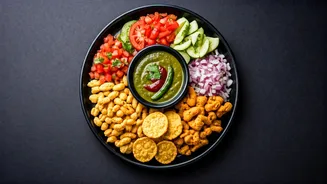
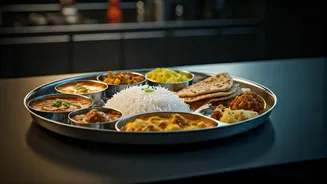
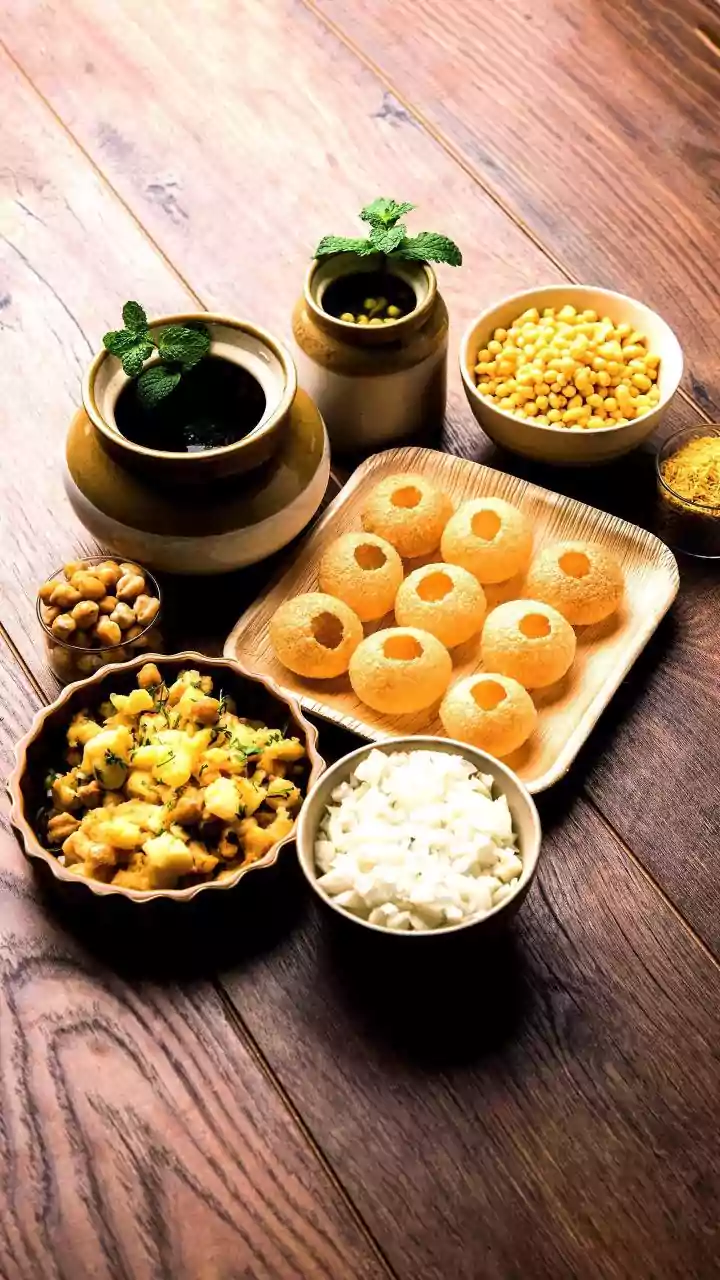
So, why is this a “flex”? Because in today's fast-paced world, embracing an ancestral diet requires a significant investment of time, knowledge, and often, money. It’s a status symbol that broadcasts cultural authenticity and conscious living. Sourcing stone-ground millet flour or cold-pressed mustard oil isn’t as easy as grabbing a bag of chips. Cooking daal from scratch takes foresight. Understanding the Ayurvedic principles behind food combinations signals a deeper connection to one’s heritage than simply showing up for Diwali dinner. Posting a picture of a perfectly crafted, traditional thali (a platter with various small dishes) on Instagram is a declaration. It says, “I am not just consuming my culture; I am actively embodying and preserving it.” It’s a flex against assimilation and a rejection of the idea that Western wellness trends are the default or superior path to health.
Tradition Meets the Digital Age
Naturally, this trend is thriving on social media, where Desi influencers, nutritionists, and home cooks share recipes, health tips, and stunning photos of their meals. They are creating a digital community that makes this lifestyle feel accessible and aspirational. However, this modernization isn't without its complexities. As traditional knowledge is packaged into slick infographics and trendy TikTok videos, there’s a risk of oversimplification. The wellness industry has a long history of co-opting and commodifying cultural practices, sometimes stripping them of their original context. The challenge for the ancestral eating movement is to maintain its authenticity and nuance while navigating the world of hashtags and sponsored posts. It’s a delicate balance between celebrating heritage and turning it into another marketable wellness product.