




The Old Monsoon Rulebook
For as long as anyone can remember, the Indian travel calendar had a giant, rain-soaked hole in the middle of it. The arrival of the southwest monsoon in June typically signaled the end of peak tourist season. In coastal hotspots like Goa, beach shacks
would be dismantled and packed away. In the high Himalayas, trekking routes would become treacherous mudslides. The conventional wisdom was clear: the rains, while vital for agriculture and a relief from the blistering pre-summer heat, were a logistical nightmare for travel. Flights were delayed, roads washed out, and the promise of a sunny vacation was replaced by the reality of being cooped up indoors. For most, the months from June to September were for hunkering down, not heading out.
Embracing a Greener, Quieter Season
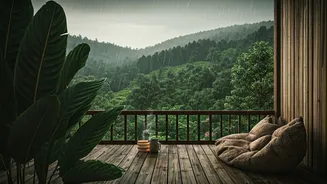
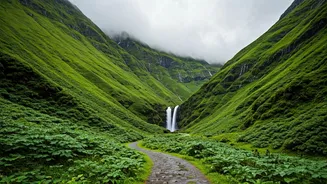
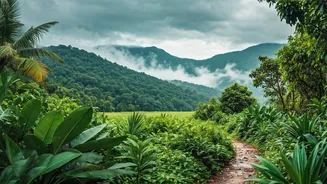
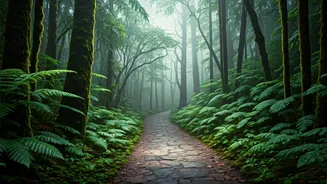
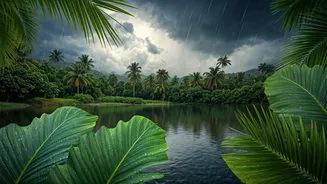
So what changed? A combination of evolving traveler preferences and savvy marketing. A new generation of Indian domestic travelers, tired of overcrowded peak-season destinations, began to see the monsoon not as a bug, but as a feature. They started seeking out the very things the season offers: lush, super-saturated green landscapes, dramatic skies, overflowing waterfalls, and a sense of romantic tranquility. Travel companies and boutique hotels leaned in, coining terms like "monsoon magic" and promoting getaways built around the experience of the rain itself. Instead of promising sunshine, they offered cozy rooms with views of misty hills, special menus featuring seasonal hot drinks and snacks, and the simple pleasure of reading a book while listening to a downpour. This shift reframed the monsoon from an inconvenience to an atmospheric, multi-sensory experience worth traveling for.
The New Monsoon Hotspots
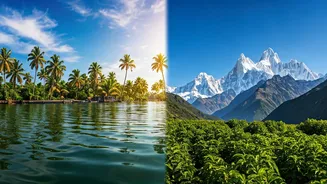
This changing mindset has created a new map of desirable destinations. While many international tourists still plan around the dry season, domestic travelers are flocking to places that come alive in the rain. The backwaters of Kerala, with their network of canals and houseboats, become intensely verdant and serene. The hill stations of the Western Ghats mountain range, like Coorg in Karnataka or Lonavala near Mumbai, transform into misty wonderlands blanketed in fog and dotted with roaring waterfalls. The historic lake city of Udaipur in Rajasthan, often parched in the summer, sees its famous lakes fill up, reflecting moody grey skies and glowing palaces. According to Indian travel portals, search queries for these destinations have surged in recent years during the monsoon months, while interest in traditionally popular (but now potentially flood-prone or inaccessible) areas has softened.
Drivable Destinations and "Workations"
The trend isn't just about week-long vacations; it's also fueling a boom in short, spontaneous trips. The rise of remote and hybrid work has untethered millions of young professionals from the office, creating a class of "workationers" who can decamp to a scenic spot for weeks at a time. A mountain cabin or a quiet coastal villa becomes a temporary office with a much better view. Furthermore, city dwellers are increasingly taking advantage of drivable weekend getaways. For someone in a sprawling metropolis like Mumbai or Delhi, a three-hour drive to escape the city's water-logged streets for a rain-washed countryside estate is an irresistible proposition. This has given a major boost to regional tourism and properties that cater to the short-break market.
An Off-Season Economic Boom
For travelers, the benefits are obvious: fewer crowds and significantly lower prices. Hotels and airlines that once struggled through the lean monsoon months now offer attractive deals to lure guests, making luxury experiences more accessible. But the real winner is the local economy. In many of these regions, the tourism industry can now count on a more consistent, year-round flow of income instead of a frantic peak season followed by a quiet slump. This allows businesses to retain staff, invest in infrastructure, and build a more sustainable tourism model. The reshaping of India's travel wishlist isn't just a cultural curiosity; it's a powerful economic engine, turning what was once a liability into a celebrated and profitable asset.