

The Tyranny of the 'Perfect' Vacation Photo
Let’s be honest: a huge portion of modern travel hype is driven by aesthetics. We see a dramatic cliffside village in Italy or a breathtaking Icelandic glacier on Instagram and think, “We have to go there.” The destination becomes a backdrop, a set piece
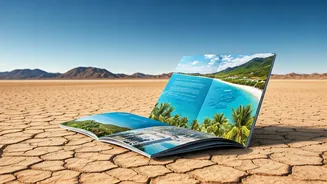
for a life that looks perfect online. But a vacation isn’t a photo shoot. It’s a lived experience shared between two people. When you prioritize hype, you’re often signing up for the same conditions that everyone else is enduring for that same photo: the crowds, the lines, and the peak-season prices. More importantly, you might be signing up for 95-degree heat while navigating Roman ruins or bone-chilling winds that make you question your life choices on a black sand beach. A comfortable trip, however, is designed for the people *in* the photo, not the people looking at it. Choosing a less-famous beach town in its 78-degree prime over a sweltering, world-famous one is a vote for your own enjoyment, not your social media engagement.
Mood Is a Climate-Controlled Substance
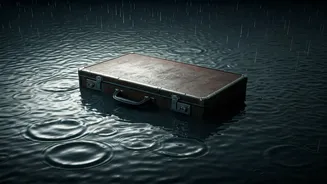
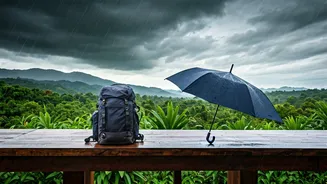
Think about your daily life. How’s your mood when the office AC is broken or you’re shivering at a bus stop? Now, amplify that by a thousand. A vacation is supposed to be a release valve for stress, not a pressure cooker. Extreme weather is a massive, often invisible, stressor. Sweltering heat makes people irritable, lethargic, and quick to snap. Relentless rain can lead to cabin fever and disappointment, trapping you in a hotel room when you’d rather be exploring. Unexpected cold drains your energy and your wallet as you scramble to buy another overpriced sweater. For a couple, this environmental stress can quickly curdle into interpersonal conflict. Small disagreements about where to eat or what to do next can escalate into full-blown arguments when both parties are physically miserable. Optimal weather—that glorious 70-to-80-degree range with a light breeze—is a cheat code for a happy couple’s trip. It removes a major source of friction, leaving more energy for connection, spontaneity, and simply enjoying each other’s company.
Spontaneity Thrives in Good Weather
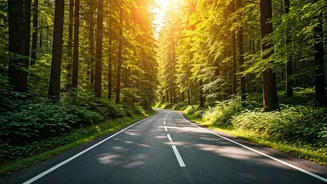
The best travel memories are rarely the ones you meticulously plan. They’re the detours—the charming side street you wander down, the decision to rent bikes and explore, the impromptu picnic in a park. This kind of magic requires one key ingredient: permission. And good weather is the ultimate permission slip. When it’s pleasant outside, your options are limitless. You can walk for hours, sit at an outdoor café, or change your plans on a whim without consequence. Bad weather, on the other hand, is a tyrant. It dictates your itinerary. A heatwave forces you from one air-conditioned box to another (museum, cafe, hotel), turning a city into a series of disconnected indoor experiences. A week of rain means your plans are either canceled or endured under a soggy umbrella. By choosing a destination for its weather, you are buying flexibility. You’re creating the conditions for serendipity, which is a far more valuable vacation souvenir than a photo of a landmark you were too hot to actually enjoy.
The Real Cost of Fighting the Elements
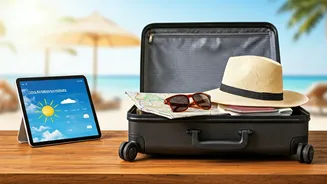
Ignoring weather in your travel plans has tangible costs. Visiting a tropical paradise during its monsoon season might save you money on the flight, but you’ll spend your days dodging downpours or stuck inside. Visiting a desert city in the summer might seem like a dry heat you can handle, but you’ll end up spending a fortune on taxis to cross distances you would have happily walked in milder temperatures. The cost of a “weather-inappropriate” trip adds up in other ways, too. You buy clothes you didn’t plan for, you pay for more indoor activities than you budgeted for, and you lose out on the simple, free pleasure of being comfortable in a new place. Prioritizing weather comfort is a financially savvy move. It maximizes the value of your most precious assets: your time and your money. Every dollar and every hour feels better spent when you’re not actively fighting your environment for survival.