



The Great Room's Grand Flaw
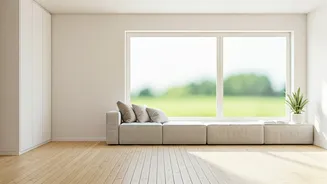
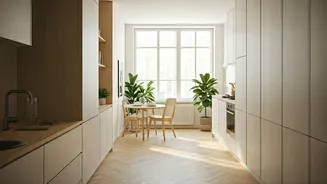
The promise of the open-plan layout was a beautiful one. It offered togetherness, airy sightlines, and a casual, modern way of living. Tearing down walls was synonymous with progress, creating a central hub—the “great room”—where cooking, dining, and relaxing
could all happen in one harmonious flow. For a while, it worked. But then, real life got in the way. The clatter of pots and pans drowned out the movie. A Zoom call in the 'office' corner competed with kids’ homework at the dining table. The single, cavernous space that was supposed to bring everyone together instead created a constant source of low-grade sensory overload. There was no escape. The great room’s grand flaw became painfully apparent: it was designed for an idealized version of life, not the messy, overlapping, and often noisy reality of a busy household.
Prioritizing Function Over Form
The shift towards calmer layouts is a direct reaction to the shortcomings of the all-in-one space. It’s less about a specific aesthetic and more about a philosophy: a home should be a tool for better living, not a stage for it. This new approach prioritizes function and acknowledges that different activities require different environments. Focus requires quiet. Relaxation demands comfort and a lack of distraction. Socializing thrives on contained energy. Instead of forcing every human activity into one arena, the calmer layout seeks to create distinct zones that support the routines we actually have. This movement was supercharged by the pandemic, which served as a national stress test for our homes. When your living room is also your office, gym, and classroom, the need for psychological and physical boundaries becomes non-negotiable. People realized that a door—or even the suggestion of one—can be a powerful tool for sanity.
The Rise of 'Broken-Plan' Living
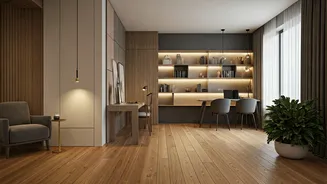
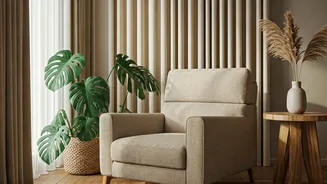
You don't need to start building walls to embrace this new direction. The solution that designers and savvy homeowners are turning to is called “broken-plan” or “zoned” living. It’s a clever compromise that maintains the light and spacious feel of an open layout while introducing much-needed structure and definition. The goal is to create distinct “rooms within a room” using subtle but effective visual cues. This isn't about isolation; it's about intention. A broken-plan layout uses furniture placement, strategic lighting, and other non-permanent elements to gently guide you through the space and signal a change in function. A cozy reading nook can be carved out with an armchair and a floor lamp, visually separated from the main seating area by the back of a sofa. This approach allows a space to be both connected and compartmentalized, offering the best of both worlds.
How to Create Your Own Calm Zones
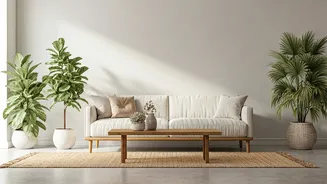
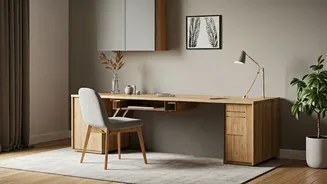
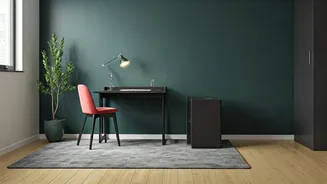
The good news is that you can implement these principles without a costly renovation. Start by anchoring different zones with large area rugs. A rug under your dining table clearly defines the eating area; another can create a contained living room conversation pit. Use furniture as a natural divider. A console table placed against the back of a floating sofa creates a graceful boundary and an entryway drop-zone. Low bookcases or open-backed shelving can separate a workspace from a relaxation area without blocking light. Even lighting can be a powerful tool. Use lower, warmer light (like table lamps and floor lamps) in cozy zones and brighter, overhead light in functional areas like the kitchen. Finally, consider the power of a simple folding screen. It’s a flexible, stylish, and affordable way to create a temporary wall when you need to hide a messy desk or create a private corner for a workout.