





From Brute Strength to Smart Movement
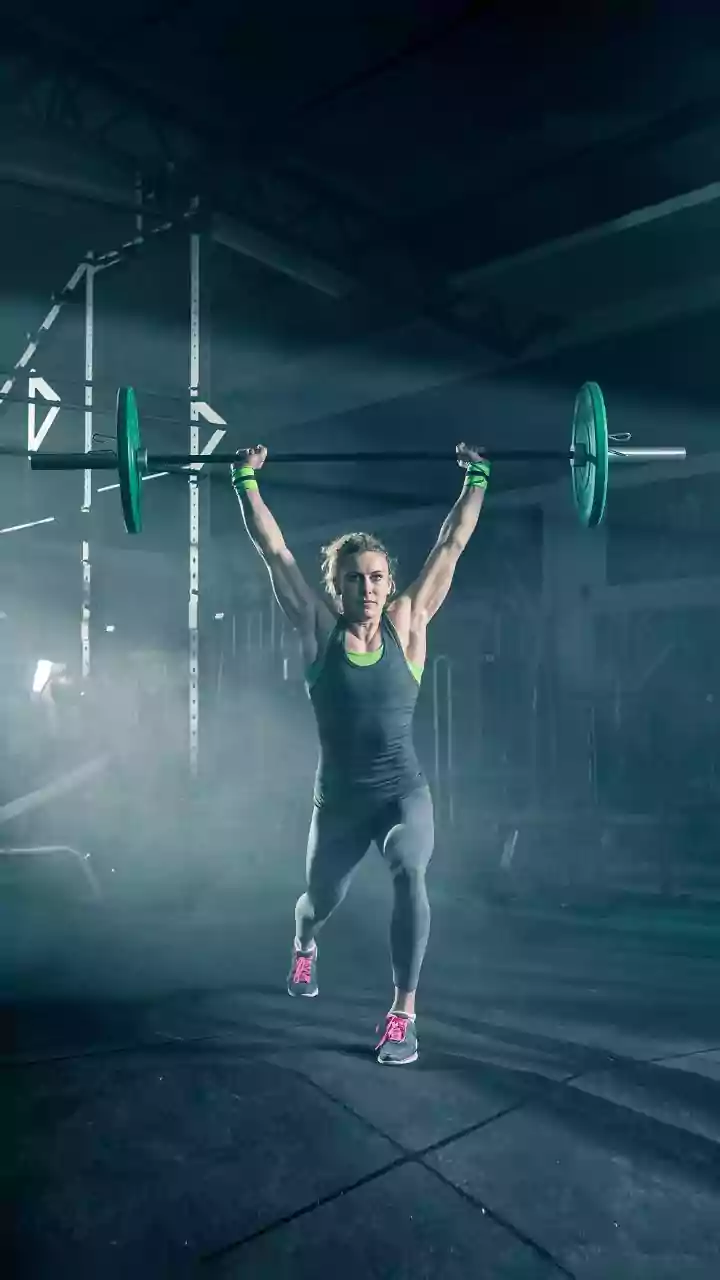
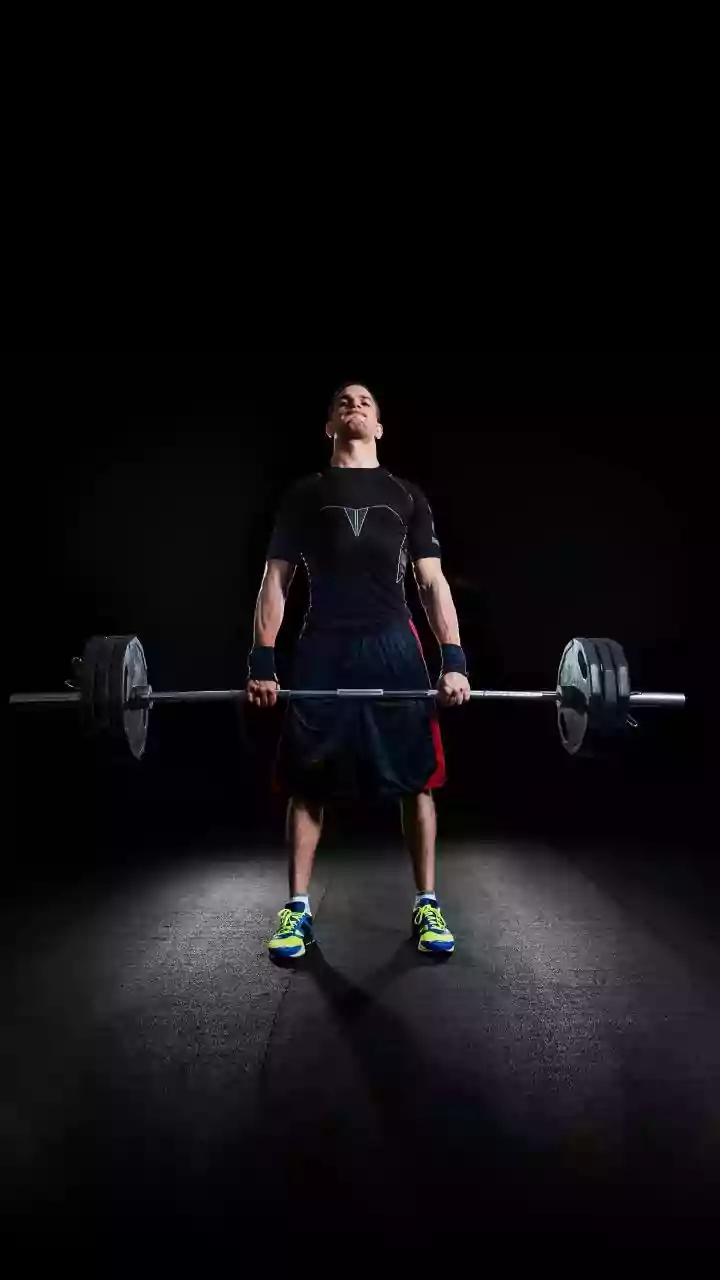
The gym used to be a showcase for peak performance and aesthetic perfection. The heaviest deadlift, the fastest mile, the most defined muscles—these were the metrics of success. But as millennials enter their late 30s and 40s, and the broader culture
re-evaluates what 'health' really means after years of burnout, the definition of a flex is changing. The new status symbol isn’t just about looking good or hitting a personal record at any cost. It’s about feeling good, moving well, and building a body that’s resilient for decades to come.Enter mobility and balance. The ability to sit on the floor and stand up without using your hands, to squat deep without your heels lifting, or to stand on one leg with ease—these are the new benchmarks. This isn't a rejection of strength; it’s an evolution. It’s the understanding that true fitness isn’t just about power output, but about control, stability, and pain-free range of motion. It’s the flex of not needing to groan when you get out of a chair.
More Than Just Touching Your Toes
Let’s clear up a common misconception: mobility is not the same as flexibility. Flexibility is your muscles’ ability to stretch passively—think pulling your leg toward you. Mobility is your ability to actively move a joint through its full range of motion with control. It requires not just pliable tissues but also strength and stability. You can be incredibly flexible but have poor mobility if you lack the muscular control to move through those ranges.Balance, meanwhile, is the unsung hero of all movement. It’s governed by a complex system called proprioception—your body's internal GPS that tells you where your limbs are in space without you having to look. Every time you walk on an uneven sidewalk, catch yourself from tripping, or carry groceries up the stairs, your proprioceptive system is working overtime. Training balance isn’t just about avoiding falls when you’re older; it’s about improving the quality and efficiency of every single movement you make, right now.
Why Longevity Is the New Goal
So, why the sudden shift? Several factors are converging. The high-intensity interval training (HIIT) boom of the 2010s left many people energized but also nursing repetitive stress injuries. The pandemic forced millions to trade bustling gyms for living room workouts, sparking an interest in bodyweight exercises and foundational movement patterns. People started asking what they really needed to feel good, not just what looked impressive on Instagram.The concept of 'healthspan'—the number of years you live in good health—is also entering the mainstream. It’s not enough to just live longer; we want to live *better* for longer. Mobility and balance are the foundation of that goal. They are direct predictors of quality of life and independence in later years. The ability to perform a single-leg balance test, for example, has been linked in studies to longevity. This isn't about vanity; it’s about preserving your autonomy and your ability to engage with the world.
The Payoff in Everyday Life
The beauty of focusing on mobility and balance is that the benefits aren't abstract. They show up everywhere. It’s being able to throw a frisbee in the park without your shoulder aching the next day. It’s hoisting your carry-on into the overhead bin with stability and confidence. It’s gardening, playing with your kids, or picking up a dropped pen without a second thought. These are the small, invisible victories that add up to a higher quality of life.Incorporating this work doesn't require a radical overhaul of your routine. It can start with five minutes of hip circles and ankle rotations before your walk. It can be practicing standing on one foot while you brush your teeth. Many gyms and online programs now offer dedicated mobility classes, often called things like 'Functional Range Conditioning' or 'Kinstretch.' These practices complement, rather than replace, traditional strength and cardio work, making everything you do safer and more effective.