



The Why: Pruning for Strength, Not Just Shape
To an outsider, cutting back a seemingly healthy plant right before a season of growth might seem counterintuitive. But for desert dwellers, it’s a strategic move rooted in climate reality. The pre-monsoon prune is less about aesthetics and more about structural
integrity. The fierce winds that often accompany monsoon storms can turn a lush, overgrown shrub or tree into a giant sail. A dense canopy catches the wind, putting immense stress on branches and root systems, leading to snapped limbs and uprooted plants. By thinning out your plants, you allow the wind to pass through them rather than push against them. This simple act drastically reduces the risk of damage, not only to the plant itself but also to your roof, your car, or your windows.
The When: Finding the Perfect Window
Timing is everything. Prune too early in the spring, and you risk exposing tender inner branches to the scorching sun of late spring and early summer, causing significant sunburn and stress. Prune too late, and you won’t give the plant enough time to recover and push out new growth before the storms hit. The sweet spot for most of the Southwest is typically from late May through June. This window falls after the main spring flowering season for many desert plants and before the typical onset of monsoon activity in early July. The goal is to get the work done while the weather is still reliably dry, allowing the cuts to callus over and heal before the humidity and moisture arrive, which can reduce the risk of fungal diseases.
The Hit List: What to Prune Now
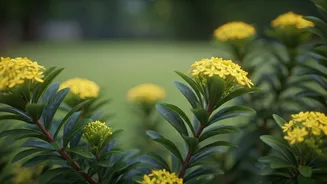
Focus your energy on plants that grow quickly and can become brittle or top-heavy. This is your primary hit list: * **Fast-Growing Shrubs:** Plants like Texas sage (Leucophyllum), yellow bells (Tecoma stans), bougainvillea, and cassia species benefit immensely from a pre-monsoon haircut. Aim to reduce their overall size by about one-third, focusing on thinning out the interior to improve airflow. * **Desert Trees:** For desert trees like mesquite and palo verde, the goal isn't to shorten them, but to thin their canopies. This is a task that may require a certified arborist for larger, established trees. The focus should be on removing dead wood, crossing branches that rub against each other, and selectively removing some inner branches to open up the structure. * **Overgrown Perennials:** Cut back any perennials that have become leggy and are flopping over. This will encourage a fresh, more compact flush of growth when the rains begin.
The Hands-Off List: What Not to Cut
Just as important is knowing what to leave alone. Resist the urge to give every plant in your yard a buzzcut. Avoid severe pruning on these plants: * **Cacti and Succulents:** Generally, leave these alone unless you are removing a damaged or diseased pad. Unnecessary cuts can create wounds that are susceptible to rot once the humidity rises. * **Citrus Trees:** Your citrus trees need their leafy canopy to protect the ripening fruit (and the tree’s trunk) from sunscald. Only perform light pruning to remove dead or damaged branches. * **Anything You Aren’t Sure About:** If you don’t know the plant or its growth habit, it’s better to be cautious. A light trim is always safer than a hard prune from which the plant may not recover.
Technique and Tools for a Clean Job
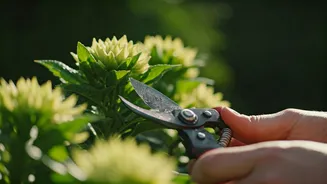
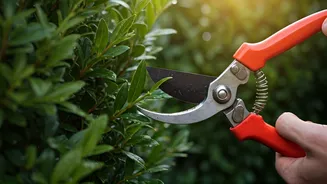
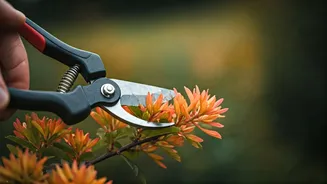
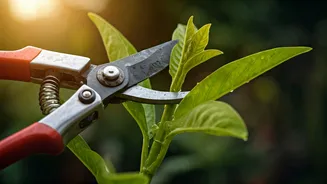
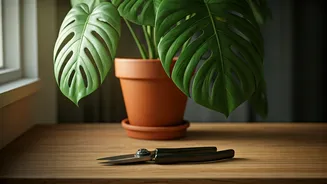
Using the right tools makes the job easier and is healthier for your plants. Make sure your bypass pruners, loppers, and pruning saws are clean and sharp. A dull blade crushes stems instead of cutting them, creating ragged wounds that heal slowly. When you make a cut, do so at a slight angle just above a node or a fork in the branch. This encourages new growth in a specific direction and prevents water from pooling on the cut surface. For thinning, follow a branch back to its point of origin and remove it entirely. This is far better than “topping” or shearing, which encourages a weak, dense cluster of growth at the cut point—the exact opposite of what you want before a windstorm.