





From Deprivation to Restoration
For years, the concept of a “wellness trip” was tangled up with ideas of deprivation and discipline. The imagery was stark: 5 a.m. wake-up calls for grueling boot camps, liquid-only diets, and a strict regimen designed to “detox” you from your everyday
life. It was often marketed with a militaristic, tough-love approach. The goal was physical transformation, usually weight loss, achieved through intense, short-term suffering. While noble in its intent to improve health, it often felt more like punishment than a reprieve. You’d return home lighter, perhaps, but also exhausted, craving a burger, and probably in need of a vacation from your vacation. That model was built on a theory of wellness as subtraction: remove calories, remove comforts, remove fun. But a major cultural and commercial shift is underway. The new philosophy of wellness travel is about addition and restoration. Instead of asking what can be taken away, it asks: What can be added to your life to make you feel whole, rested, and genuinely happy? This has opened the door for experiences that nourish the mind and spirit just as much as the body.
The Rise of 'Soft Wellness'
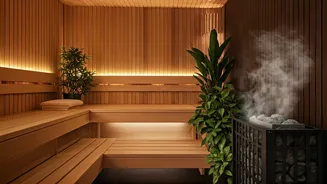
This new era is defined by “soft wellness,” a gentler and more holistic approach. The focus has pivoted from purely physical metrics to encompass mental, emotional, and spiritual well-being. Punishing sprints on a treadmill are being replaced by mindful activities that promote a sense of peace and connection. Think less 'Biggest Loser' and more 'Eat, Pray, Love.' What does this look like in practice? It’s resorts offering guided forest bathing (the Japanese practice of Shinrin-yoku) where the goal is simply to immerse your senses in nature. It’s the rise of sound baths, where you lie comfortably while resonant frequencies from crystal bowls wash over you, calming the nervous system. It's hotels building elaborate thermal suites with different saunas, steam rooms, and pools designed for meditative hydrotherapy circuits. These activities aren't about burning calories; they're about shedding stress, quieting the mind, and reconnecting with yourself in a way that feels indulgent, not arduous.
Food Is a Feature, Not a Fear
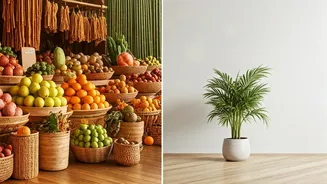
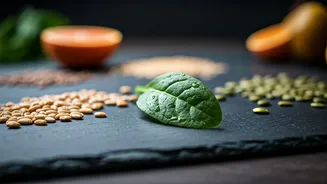
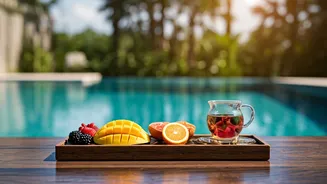
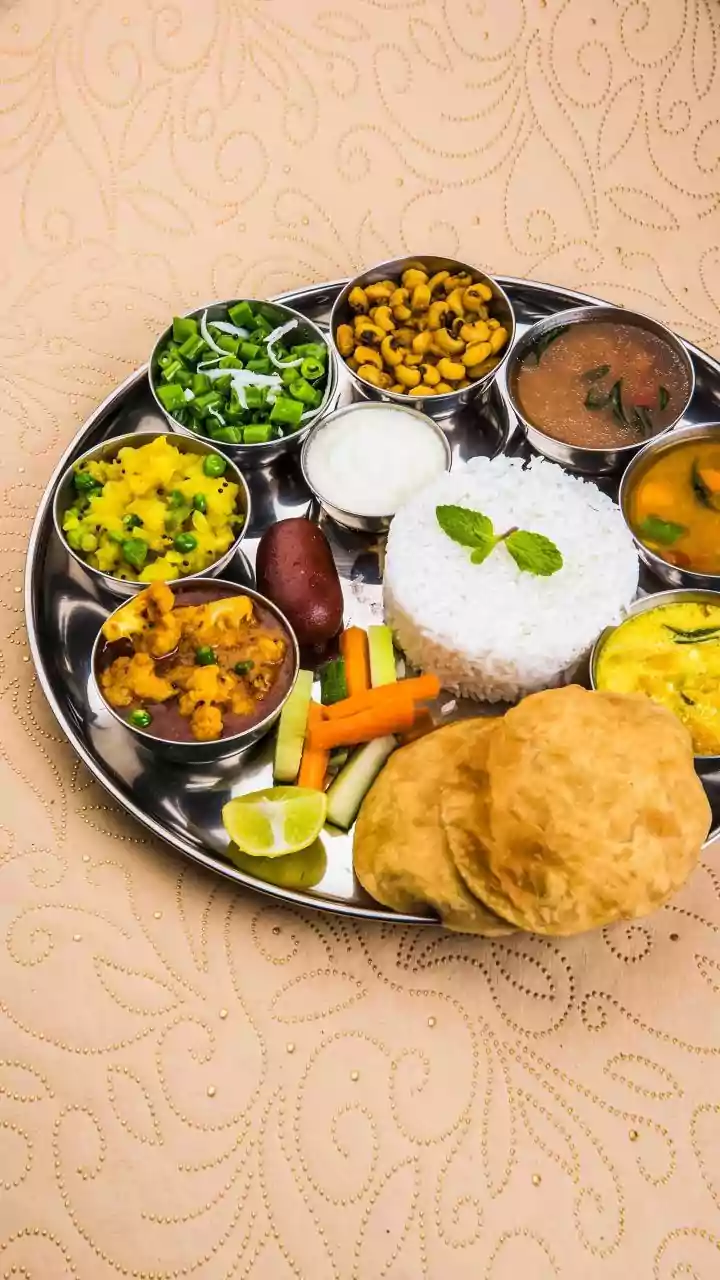
Perhaps nowhere is the shift more apparent than on the menu. The old wellness retreat dinner was often a plate of steamed vegetables and a small piece of unseasoned fish, a joyless necessity to keep you going. Food was fuel, and often, it was rationed. Today, cuisine has become a celebrated centerpiece of the wellness experience. Modern wellness destinations are embracing a food philosophy centered on abundance, flavor, and pleasure. Top chefs are being brought in to create menus that are both nutrient-dense and delicious. The focus is on farm-to-table sourcing, with many properties growing their own organic produce. You'll find cooking classes that teach you how to make vibrant, healthy dishes, and meals that celebrate local culinary traditions. The new thinking is that true nourishment isn’t about calorie counting; it’s about savoring fresh, whole foods that delight the senses and energize the body. You can have a gourmet tasting menu that also happens to be incredibly good for you.
Connection Replaces Isolation
The final piece of the puzzle is the move away from solitary suffering toward joyful connection. While the old model often isolated individuals in their personal health battles, the new one fosters a sense of community and place. Trips are now designed to connect you not just with yourself, but with nature, local culture, and even other travelers. This means less time confined to a gym and more time on guided hikes that teach you about local ecology, or workshops with local artisans, or even volunteering on a community project. Some wellness retreats focus on creative expression through painting or writing, while others are built around sleep science, offering high-tech beds and programs to optimize your rest. The idea is that well-being isn't found in a vacuum. It's found by engaging with the world in a more mindful and meaningful way. It's an experience that enriches your life long after you've checked out.