







From Monuments to Menus
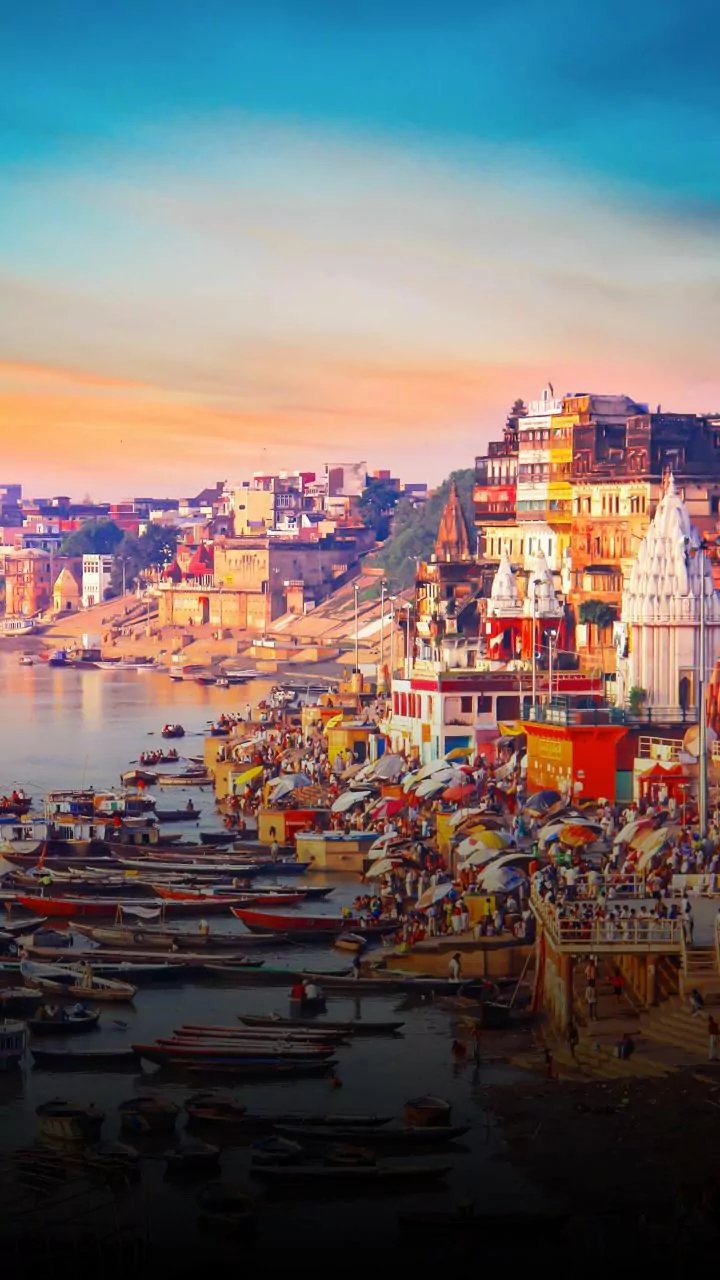
For decades, the classic Indian family vacation followed a familiar script: a whirlwind tour of historical landmarks, ticking off forts, palaces, and temples. The goal was to see the country's greatest hits—the Taj Mahal in Agra, the Gateway of India in Mumbai,
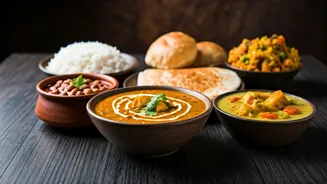
the beaches of Goa. But a significant shift is underway. Today, an increasing number of domestic travelers, particularly affluent millennials and Gen Z, are planning their entire trips not around monuments, but around menus. They're embarking on 'food trails,' meticulously planned journeys designed to explore the unique culinary landscape of a specific region. This isn't just about finding a good restaurant; it’s an immersive, multi-day experience. Travelers might follow the spice routes of Kerala, trace the journey of biryani through Hyderabad and Lucknow, or explore the intricate vegetarian thalis of Gujarat. The itinerary is dictated by the stomach, and the 'sights' are often bustling markets, generations-old food stalls, and heritage kitchens.
The Rise of the Culinary Pilgrim
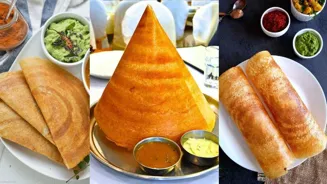
So, why the change? A perfect storm of economic and cultural factors is driving this trend. First, India’s rapidly expanding middle and upper-middle class has more disposable income than ever before, and they're choosing to spend it on experiences over possessions. Second, the social media effect is undeniable. An artfully plated dish of prawn curry from a coastal shack in Goa or a perfectly crisp dosa from a legendary cafe in Chennai is prime content for Instagram. A 'food trail' offers a continuous stream of authentic, story-rich posts that signal cultural capital and a discerning palate—a far more sophisticated flex than a generic hotel selfie. Finally, there's a growing sense of national and regional pride. Fueled by cooking shows like *MasterChef India* and a universe of celebrity chefs and food bloggers, Indians are rediscovering the staggering diversity of their own country's cuisine. A trip to explore the nuances of Naga chili or the secrets of Chettinad cooking is seen as a way to connect with one’s roots.
A Taste of the Trail
Imagine a food trail through the Konkan coast, a lush strip of land hugging the Arabian Sea. The trip might start in Mumbai, not at the tourist hotspots, but in the bylanes of Malad, learning the secrets of Koli (fishing community) seafood masala. From there, you’d drive south into Maharashtra, stopping at rustic, family-run eateries to sample Bombil fry (crispy Bombay duck) and solkadhi, a bright pink, tangy drink made from kokum fruit and coconut milk. The journey continues into Goa, bypassing the party beaches for the quiet villages of the south, where you’d take a cooking class in Goan-Portuguese fusion cuisine—think pork vindaloo and prawn balchão. Finally, the trail ends in Karnataka, with the distinct flavors of Mangalorean seafood gassi and crispy, rice-based neer dosas. Each stop is a chapter; each meal is a lesson in history, geography, and culture. The souvenir isn’t a trinket, but a recipe, a flavor memory, and a story to tell.
More Than Just a Meal
At its heart, this trend is about a search for authenticity in an increasingly globalized world. For these travelers, food is a gateway to a deeper understanding of a place and its people. It's an experience that engages all the senses and resists easy replication. You can't Amazon Prime the experience of eating fresh tandoori trout by a riverside in Himachal Pradesh or tasting a smoky dal baati churma cooked over coals in Rajasthan. These journeys are also a form of slow travel, encouraging travelers to spend more time in one place, interact with local communities, and appreciate the farm-to-table journey long before it became a Western buzzword. It's a rejection of the rushed, superficial tourism of the past in favor of something more meaningful, personal, and, of course, delicious.