




Welcome to India’s Emerald Jungle
Tucked away in the southern state of Karnataka, the Kabini Forest Reserve is a slice of paradise carved out of the larger Nagarhole National Park. Named for the serene river that snakes through its heart, Kabini is a world away from the dusty plains often
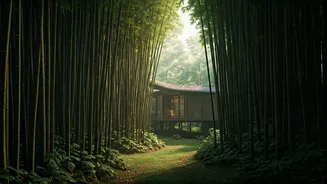
associated with Indian wildlife. Here, the landscape is dominated by lush forests, teak and rosewood trees, and most iconically, dense, cathedral-like bamboo groves that create a mesmerizing play of light and shadow. For American travelers accustomed to the wide-open vistas of an African safari, Kabini offers a thrillingly different experience. This is a landscape of intimacy and suspense. Every bend in the dirt track holds a new possibility. The jungle here feels alive and breathing, a dense tapestry of green that conceals its treasures carefully, making each sighting a hard-won, heart-pounding reward. The Kabini River itself is a lifeline, drawing herds of animals to its banks and offering a unique vantage point for wildlife viewing via boat.
Beyond the Tiger: Kabini’s Star Inhabitants
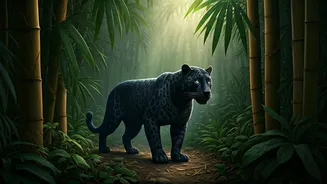
While India is famous for its tigers, Kabini’s true superstar is a far more enigmatic creature: the black panther. This is not a separate species, but a melanistic leopard—a genetic variant with an excess of dark pigment that renders its coat a stunning, inky black. In the right light, you can still see the faint outline of its signature rosette spots. Kabini has become one of the best places in the world to reliably spot this ghost of the forest, thanks to a few resident individuals who have become icons for wildlife photographers and enthusiasts globally. But the cast of characters is deep. Kabini is a stronghold for Asiatic elephants, which gather in large, spectacular herds along the river's edge during the dry season. Packs of dhole, the formidable Indian wild dog, hunt in coordinated, chattering groups. Leopards, more common here than tigers, drape themselves over tree branches. Sambar and spotted deer graze cautiously, their ears constantly swiveling, while massive gaur (Indian bison) look on like ancient sentinels. It’s a complete, thriving ecosystem on full display.
The Two Faces of Safari
A key part of Kabini’s charm is the variety of safari experiences it offers. The traditional 4x4 jeep safari takes you deep into the forest’s core. Bouncing along rutted tracks, you’ll scan the bamboo thickets and dense lantana bushes for a flash of orange or a twitching ear. An expert naturalist guide is essential here, their trained eyes and ears picking up on subtle alarm calls from monkeys or deer that signal a predator’s presence. Equally unmissable is the boat safari on the Kabini Reservoir. This offers a completely different perspective. From the water, the forest edge becomes a grand stage. You’ll glide past crocodiles sunning themselves on the banks, witness large pods of elephants bathing and playing, and see a stunning variety of birdlife, from ospreys to crested serpent eagles. The serene, panoramic views at sunset, with the silhouettes of trees and animals against a fiery sky, are an experience in themselves.
Planning Your Jungle Escape
Getting to this remote corner of India is part of the adventure. The nearest major international airport is in Bengaluru (Bangalore), about a 4- to 5-hour drive away. The smaller Mysore airport is closer, roughly a 2-hour drive. The best time to visit is during the dry season, from October to May. Animal sightings generally peak from March to May, when the thinning foliage and receding water levels concentrate wildlife around the river. Accommodation is primarily centered around a few high-quality lodges located just outside the park's gate, many of which were former hunting lodges. These range from luxurious properties with private pools and gourmet dining to more rustic, but comfortable, jungle camps. Most lodges operate their own safaris into the park, handling all the permits and providing expert naturalists, making the experience seamless for international visitors. Booking well in advance, especially during peak season, is highly recommended as safari permits are limited to prevent overcrowding and reduce the impact on the environment.