

From Ruin to Room Key
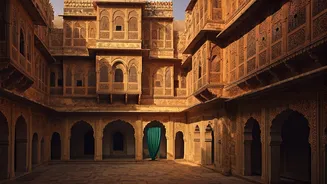
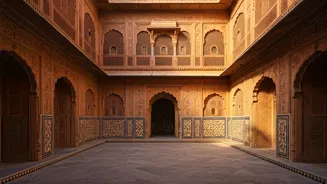
Think of it as a traditional Indian mansion, built around a central courtyard, once home to wealthy merchants or aristocrats. For decades, many of these architectural gems across Rajasthan, and particularly in the bustling city of Jaipur, fell into disrepair.
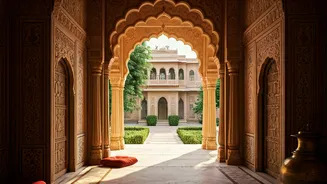
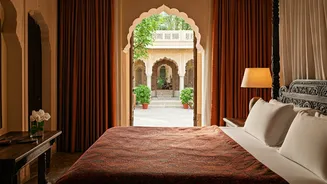
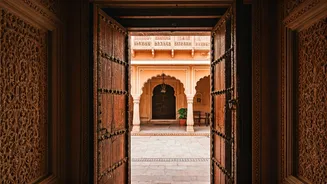
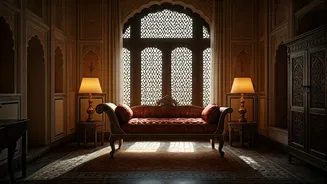
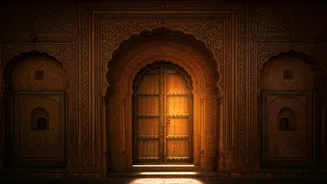
But a new wave of hoteliers and preservationists are meticulously restoring them, not as sterile museums, but as intimate, living boutique hotels. Unlike a new-build Marriott or Hilton, which promises uniformity from Dallas to Delhi, each haveli offers a completely unique footprint. You’re not just booking a room; you’re stepping into a space with intricate frescoes, hand-carved archways, and a palpable sense of history that a corporate key card could never unlock.
The Search for Realness
For a generation saturated with generic digital content and cookie-cutter consumer experiences, authenticity has become the ultimate luxury. A stay in a restored haveli is a direct antidote to the feeling of placelessness that can accompany modern travel. It’s an immersive experience. You might wake up to the sounds of the old city, have breakfast in a courtyard that’s been in the same family for 200 years, and talk to hosts who are personally invested in their property’s heritage. This pursuit of a genuine connection to a place is a hallmark of how many younger travelers want to spend their money. They’re seeking stories, not just services, and a restored haveli is, first and foremost, a story you can live inside.
Designed for the Digital Age
While the appeal is rooted in authenticity, let’s be real: havelis are an Instagrammer’s dream. Every corner presents a photo opportunity that feels earned and artful, not staged. The vibrant tile work, shaded verandas, scalloped archways, and sun-dappled courtyards provide a stunning, ready-made backdrop that screams “I am having a unique and beautiful adventure.” For Gen Z, a travel experience is often shared visually in real time. A haveli doesn't just offer a place to sleep; it offers a compelling visual narrative. This isn’t a cynical play for likes, but a genuine appreciation for aesthetics. The beauty of these historic spaces aligns perfectly with a digitally native generation’s fluency in visual storytelling.
A Different Kind of Value
This trend also taps into a growing consciousness around sustainability and mindful consumption. Opting for a restored haveli is an act of adaptive reuse—choosing to support the preservation of a historic building rather than contributing to the carbon footprint of new construction. Many of these properties are family-run businesses, meaning tourist dollars are more likely to stay within the local community. For a generation increasingly wary of corporate greenwashing and interested in making a tangible impact, this model is deeply appealing. It reframes the idea of value, moving it away from a simple price-per-night calculation and toward a more holistic consideration of cultural, environmental, and community impact.