





The Courtyard Concept: A Private Oasis
At the heart of traditional Indian homes—from the grand havelis of Rajasthan to the nalukettu houses of Kerala—lies the central courtyard, or 'aangan.' This open-to-sky space wasn't just an architectural feature; it was the home's vibrant, breathing lung.
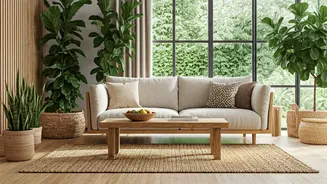
It provided light and ventilation, a place for family to gather, and a secure connection to the outdoors. Modern Indian design reinterprets this by creating interior layouts that revolve around a central point of nature, even if it's a large skylight above an indoor garden or a living area that opens completely onto a patio. For a U.S. home, this principle can be adopted by arranging furniture to face a large window, a set of French doors, or a beautifully curated garden view, making nature the focal point of the room.
Jali Screens: Artful Light and Air
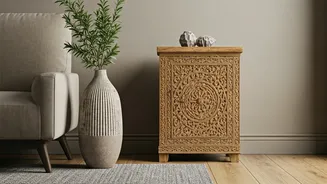
One of the most iconic elements of Indian architecture is the 'jali,' an intricately carved lattice screen. Traditionally made from stone or wood, jalis served a brilliant dual purpose: they filtered the harsh sun into soft, dappled light and allowed breezes to flow through, all while maintaining privacy. This interplay of light and shadow creates a dynamic, ever-changing pattern on the floors and walls. Today, jali patterns are being used in modern ways—as room dividers, cabinet fronts, headboards, or even as decorative panels. You can incorporate this feel with laser-cut wood screens, patterned window films, or even curtains with geometric cutouts that mimic the effect of light filtering through a delicate screen.
Earthy Materials: The Beauty of Imperfection
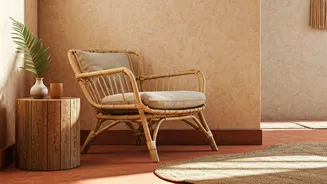
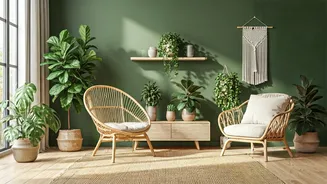
This design ethos celebrates materials that are raw, honest, and connected to the earth. Forget perfectly polished surfaces; think tactile and authentic. Terracotta tiles, with their cool, porous nature, are a classic choice for flooring. Furniture is often crafted from solid, durable woods like teak, rosewood, or mango wood, showcasing the grain and natural imperfections. Walls might be finished with lime plaster ('chuna') or left as exposed brick. This embrace of natural texture grounds a space, making it feel solid and timeless. To bring this into your home, look for unvarnished wood furniture, terracotta pots, stone coasters, and hand-woven jute or sisal rugs.
A Flourish of Greenery: The Right Plants
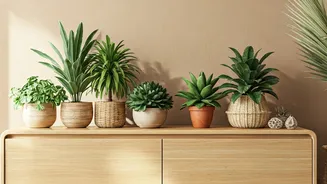
In Indian homes, plants are not just accessories; they are integral parts of the living space, often with cultural or religious significance. The holy basil plant ('tulsi') is a staple, typically grown in a dedicated planter in the courtyard. Other common choices are fragrant jasmine ('mogra'), marigolds, and leafy banana plants. The key is abundance and integration. Plants cascade from balconies, line verandas, and fill corners, creating a sense of being enveloped by greenery. Instead of a single, lonely fiddle-leaf fig, think in layers: a collection of flowering plants, fragrant herbs on a windowsill, and large, leafy greens to create a lush, tropical feel.
Handcrafted Textiles: Stories in Every Thread
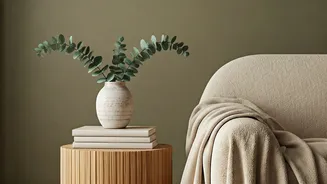
Synthetic fabrics have little place here. Indian interiors are layered with rich, natural textiles that tell a story of craft and tradition. Hand-loomed cottons ('khadi'), block-printed fabrics from Jaipur, soft cashmere from Kashmir, and vibrant silks create a feast for the senses. These are used for everything from curtains and cushion covers to bedspreads and wall hangings. The beauty lies in the slight variations and imperfections that come from a human touch. Incorporating this is easy: swap out polyester throws for a hand-woven cotton blanket, add a few block-printed pillows to your sofa, or hang a beautiful textile as a piece of art.