


The Backlash Against Bland
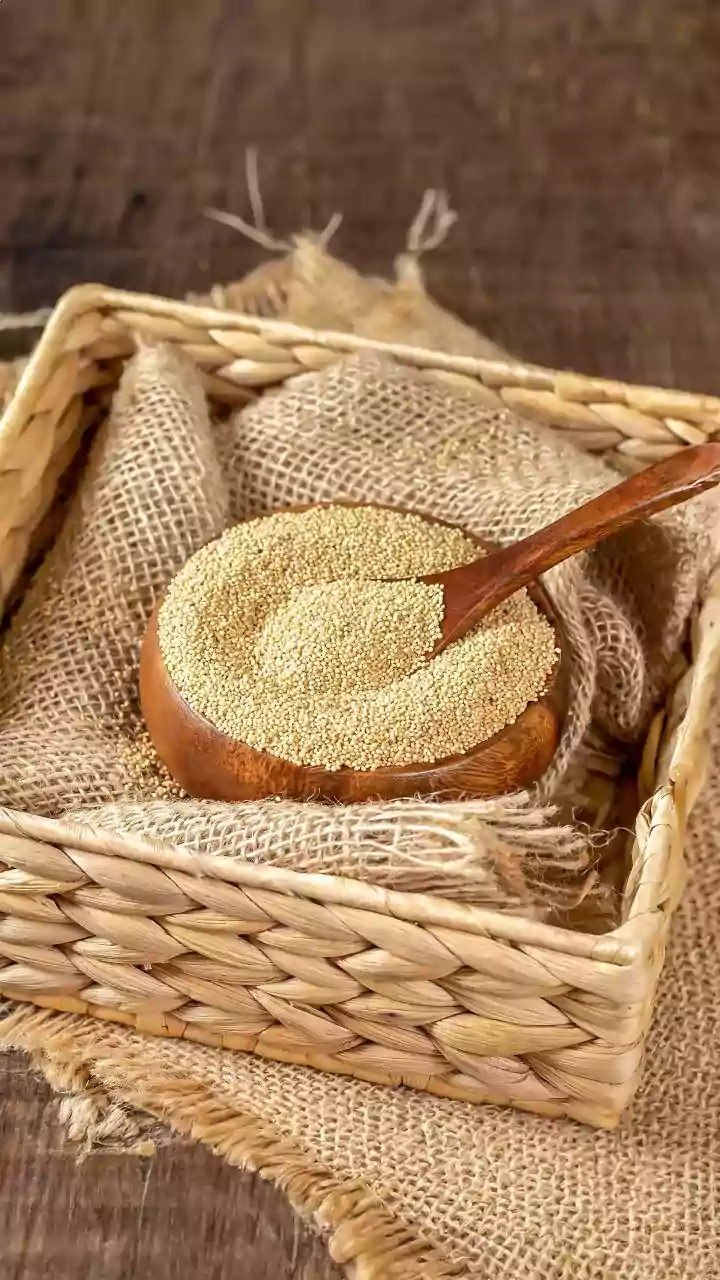
For years, the definition of “healthy eating” felt narrow and, frankly, a little sad. It was a world painted in shades of beige and green, dominated by skinless chicken breasts, quinoa bowls, and kale smoothies that promised wellness but often delivered
monotony. This aesthetic, promoted by a certain sector of the wellness industry, stripped food of its joy, culture, and history, reducing it to a mere collection of macros and nutrients. But a collective fatigue has set in. Americans are pushing back against the idea that flavor is the enemy of health. We’re tired of eating like we’re in a nutritional penalty box. This isn't a rejection of health itself, but a rejection of the one-size-fits-all, culturally sterile approach that has dominated menus and Instagram feeds for the better part of a decade. The counter-movement is delicious, deeply personal, and bubbling up from kitchens all over the country.
Finding Health in Heritage
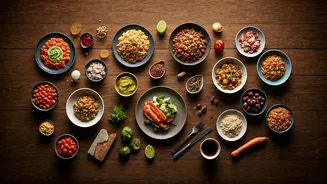
The most powerful antidote to blandness, it turns out, has been here all along: regional American cuisine. From the spicy, complex gumbos of Louisiana to the hearty, bean-based dishes of Appalachia and the sun-drenched flavors of the Southwest, these recipes are packed with history, identity, and, yes, nutrition. The pivot towards heritage cooking is based on a simple, powerful realization: traditional foodways were often inherently healthy long before the term “wellness” was ever coined. These are dishes developed over generations, built around whole ingredients, seasonal produce, and time-tested cooking techniques like fermenting, stewing, and roasting. Think about it: a pot of Texan chili is loaded with protein and fiber-rich beans. A Gullah Geechee seafood purloo from the Carolina coast is brimming with fresh catch and vegetables. These meals were designed to sustain communities, not to fit a fleeting diet trend. By embracing them, we’re not just choosing flavor; we’re connecting with a more grounded, sustainable, and culturally rich definition of what it means to eat well.
A Nationwide Flavor Revival
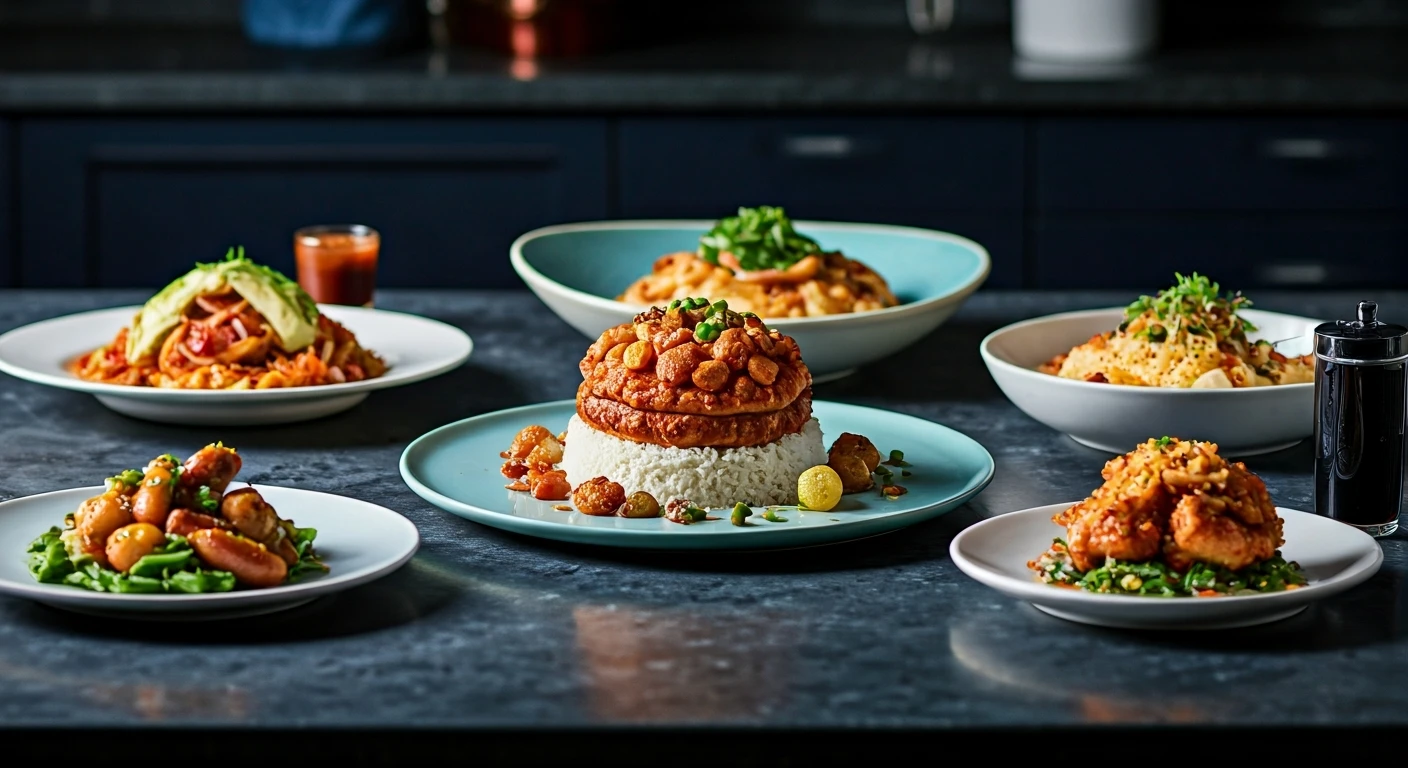
This trend is visible everywhere from high-end restaurants to viral TikTok videos. Chefs are digging into their own family histories, reinterpreting the dishes of their childhoods with newfound respect. Suddenly, Midwestern hotdish isn't a punchline; it's a canvas for culinary creativity. Appalachian soup beans and cornbread are appearing on menus far from the mountains they call home. Food lovers are seeking out the specific, celebrating the difference between a Sonoran hot dog and a Chicago-style one. This isn't about generic “American food,” but about the hyperlocal specialties that tell a deeper story. Immigrant kitchens are also central to this revival. The flavors of a Vietnamese pho, a Mexican mole, or a Korean jjigae—once considered “ethnic” food—are now rightly being embraced as fundamental parts of the diverse American culinary landscape. They offer complex, deeply satisfying flavors that make a plain salad look utterly uninspired by comparison.
The Social Media Effect
Technology has poured gasoline on this flavorful fire. While old-school wellness was driven by glossy magazines and celebrity endorsements, the regional food renaissance is being powered by platforms like TikTok and Instagram. Here, authenticity reigns. A grandmother in New Mexico sharing her red chile sauce recipe can gain a bigger following than a polished L.A. wellness guru. A home cook in Maine demonstrating the perfect lobster roll can go viral overnight. Social media has democratized food culture, allowing these regional treasures to bypass traditional gatekeepers and speak directly to a hungry audience. It creates a powerful feedback loop: users see a real, delicious-looking dish made by a real person, they get inspired to cook it, and they share their own version. It’s a grassroots movement that celebrates shared experience and tangible pleasure over aspirational, and often unattainable, ideals.