






The New Vacation Mandate
For decades, the perfect beach trip was defined by what you could ignore: work, worries, and the world outside your resort’s walls. But a significant shift is underway. A growing number of tourists, particularly in destinations famed for their marine
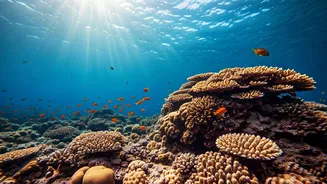
life, are arriving with a new expectation. They don’t just want to see the coral reefs; they want to understand them, engage with them, and in some cases, help save them. This trend, often called regenerative or participatory travel, moves beyond simple sustainability. It’s not just about using fewer plastic straws. It's about actively contributing to the health of the destination you're visiting. For coastal communities, that contribution is increasingly focused on the fragile, vibrant ecosystems just offshore. Travelers are asking for guided snorkel tours with marine biologists, attending resort-led talks on ocean conservation, and seeking out experiences that offer a narrative—a story of decline, hope, and renewal.
From Tourist to Coral Gardener
So, what does a “coral story” look like in practice? It’s often hands-on. At resorts across the Florida Keys, the Caribbean, and the Maldives, guests can now participate in coral restoration programs. Under the guidance of experts, they might help clean or prepare small fragments of climate-resilient coral in underwater nurseries. In other programs, they join marine biologists on dives to 'plant' these fragments onto degraded reef structures. These aren’t just token gestures. Organizations like the Coral Restoration Foundation in Florida have built entire tourism models around citizen-science. Visitors learn to identify different coral species, understand the threats of bleaching and disease, and see firsthand the slow, meticulous work of bringing a reef back to life. They leave not just with a tan, but with a new vocabulary and a personal stake in the ocean’s future. They’ve gone from being passive observers to active participants in the ecosystem’s story.
The Business of Hope
For the travel industry, this is more than just altruism; it’s a smart business strategy. In an era of 'experience economies,' offering a unique and meaningful activity is a powerful differentiator. Hotels and tour operators find that these programs attract a discerning, often affluent, clientele willing to pay a premium for authenticity and purpose. It’s also a form of insurance. A hotel on a stunning bay has a vested interest in keeping that bay stunning. Investing in reef health secures the very natural asset their business depends on. Furthermore, these stories are incredibly shareable. A photo of you planting a piece of coral is far more compelling social media content than another sunset picture. It signals virtue, adventure, and a connection to something bigger. This organic marketing creates a virtuous cycle: guests share their meaningful experience, which in turn inspires their followers to seek out similar purpose-driven trips, driving demand for even more conservation-focused tourism.
More Than Just a Feeling
The obvious question is whether this actually helps the reefs. A handful of tourists planting a few dozen coral fragments won’t single-handedly reverse the effects of global climate change. But critics who dismiss these programs as 'greenwashing' miss the larger point. The primary value may not be the direct ecological impact, but the educational one. When a traveler spends an afternoon learning about a reef's life cycle, they become an ambassador for it. They go home to their landlocked communities and talk about ocean acidification. They vote for politicians who take environmental policy seriously. They donate to conservation non-profits. The experience transforms a vague, distant problem into a personal, tangible memory. It creates a global network of advocates who have literally had a hand in trying to build a better future for our oceans. This ripple effect of awareness and advocacy is arguably more powerful than any single coral fragment.