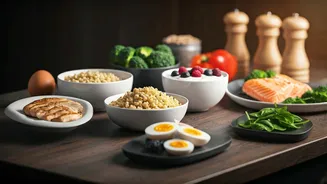









Why Protein Is Your Meal Prep MVP
Let’s be honest: the main goal of meal prep is to make life easier. We want grab-and-go lunches and ready-made dinners that prevent us from ordering takeout for the third time in a week. But what if your prepped meals could do more? That’s where the high-protein
upgrade comes in. Protein is the most satiating macronutrient, meaning it helps you feel fuller for longer. A lunch packed with protein is less likely to leave you scrounging for snacks an hour later. This makes it a powerful tool for managing appetite and avoiding mindless grazing. Furthermore, protein is crucial for muscle repair and maintenance, especially if you’re active. It also plays a key role in stabilizing blood sugar levels, helping you dodge those dreaded afternoon energy crashes. By making protein the star of your meal prep, you’re not just planning meals; you’re building a system for sustained energy and better appetite control throughout your busy week.
Think Beyond Basic Chicken Breast
When people hear “high-protein meal prep,” their minds often jump to endless containers of grilled chicken breast and steamed broccoli. While that’s a start, it’s also a recipe for burnout. The key to a sustainable upgrade is variety. Rotating your protein sources keeps things interesting and provides a wider range of nutrients. Consider this your new roster: ground turkey or beef (93/7), pork tenderloin, salmon, cod, and shrimp. These cook quickly and can be seasoned in dozens of different ways. Don’t forget about plant-based powerhouses. A big batch of lentils can become a hearty soup or a savory salad base. Canned chickpeas can be roasted for a crispy topping or mashed into a satisfying sandwich filling. Tofu and tempeh are incredibly versatile sponges for flavor, perfect for stir-fries or sheet-pan dinners. Even dairy, like Greek yogurt and cottage cheese, can serve as a protein-packed base for breakfast bowls or creamy sauces. Mix and match two or three different proteins each week to keep your taste buds from getting bored.
Adopt the 'Protein First' Assembly Line
Here's the strategic shift that makes all the difference: build your meals around the protein, not the other way around. On prep day, make cooking your chosen proteins the first and most important step. While your chicken bakes, your ground turkey simmers, or your lentils cook, you can start washing and chopping vegetables. Once the proteins are done and cooling, the rest is just assembly. This mindset prevents you from ending up with a collection of random carbs and veggies and no central, satiating element. Your assembly line should look like this: 1) Pick a protein. 2) Pick a vegetable (or two). 3) Pick a smart carb. For example, if you prepped ground turkey, you can portion it into containers with roasted bell peppers and a scoop of quinoa. If you made a big batch of salmon, it pairs perfectly with steamed green beans and a small sweet potato. This method simplifies decisions and guarantees that every single meal you build is balanced and centered on that all-important protein.
Don't Forget Flavor and Smart Sides
A high-protein meal doesn’t have to be a bland one. In fact, because protein is the main event, you have more room to play with sauces, spices, and herbs without overloading on calories. A simple marinade of soy sauce, ginger, and garlic can transform chicken or tofu. A sprinkle of smoked paprika and cumin can elevate ground turkey. Keep a well-stocked spice rack and don’t be afraid to experiment. Fresh herbs like cilantro, parsley, and dill, added right before serving, can make a prepped meal taste fresh and vibrant. For sides, think fiber and nutrients. Roasted vegetables like broccoli, Brussels sprouts, and cauliflower are meal prep champions because they hold up well in the fridge. For carbohydrates, prioritize complex, fiber-rich options like quinoa, brown rice, farro, or sweet potatoes. These provide steady energy and contribute to that feeling of fullness.