


What Exactly Is Kokedama?
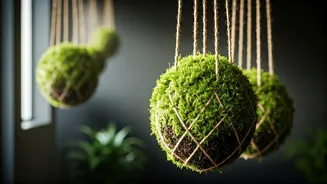
Kokedama, which translates to “moss ball” in Japanese, is a centuries-old garden art form with roots in bonsai. It’s a beautifully simple concept: instead of a pot, a plant’s root system is wrapped in a special soil mixture, encased in a layer of sheet
moss, and bound with string. The result is a self-contained, living vessel that can be placed on a decorative dish or, more strikingly, suspended in the air. This practice is related to the Japanese nearai style of bonsai, which involves growing plants in a way that exposes their bound root balls for aesthetic appreciation. Kokedama simplifies this, turning the plant itself into a piece of minimalist, natural art.
The Appeal of the Floating Garden
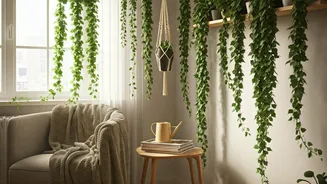
So why is this ancient art form suddenly everywhere? Part of its modern appeal is purely practical. For apartment dwellers and those with limited shelf space, hanging kokedama allows you to add greenery vertically, creating a lush, floating garden without cluttering surfaces. They turn empty corners and windows into living installations. Beyond the space-saving benefits, there's a strong aesthetic draw. The organic, earthy texture of the moss ball provides a softer, more integrated look than a traditional plastic or ceramic pot. It feels less like an object you bought and more like a small piece of nature brought indoors. Furthermore, the process of making kokedama is a mindful, hands-on craft—a welcome tactile experience in our digital world. Mixing the soil, forming the ball, and wrapping the moss connects you directly to the plant.
Choosing the Right Plant
While the idea is versatile, not every plant is suited for life in a moss ball. The best candidates are typically those that prefer consistently moist soil and don’t have massive, aggressive root systems. Think humidity-loving tropicals and shade-tolerant foliage plants. Excellent choices include pothos, philodendrons, staghorn ferns, bird’s nest ferns, spider plants, and some smaller varieties of anthurium and orchids. These plants adapt well to the unique moisture environment a moss ball provides. Avoid succulents and cacti, which require dry conditions and are prone to root rot in the damp confines of a kokedama. When in doubt, choose a plant that you know thrives in a humid environment and doesn't mind having its roots a bit snug.
The Art of Watering a Moss Ball
The most common question from new kokedama owners is, “How do I water this thing?” It’s easier than it looks. The key is to pay attention to weight. A dry kokedama will feel surprisingly light, while a freshly watered one will be heavy and saturated. When it feels light, it’s time to water. Submerge the entire moss ball in a bowl or bucket of room-temperature water for about 10-20 minutes, or until it stops releasing air bubbles. Once it's thoroughly soaked, gently squeeze out the excess water to prevent dripping and ensure the roots aren’t waterlogged. How often you need to do this depends on your home’s humidity, the type of plant, and the time of year, but a good starting point is once a week. In winter, you may be able to go longer between waterings.
DIY Kokedama Basics
Making your own kokedama is a rewarding and muddy project. You'll need a few key ingredients: a substrate mix (typically a blend of akadama or bonsai soil and peat moss to retain water), sphagnum moss for the inner layer, sheet moss for the outer wrap, a small plant, and twine or fishing line. First, gently remove most of the soil from your plant’s roots. Create your soil mixture, adding water until it has a clay-like consistency that can be molded. Form this mud mixture around the plant's roots, creating a firm ball. Next, wrap the soil ball with a thin layer of damp sphagnum moss, followed by the outer layer of sheet moss. Finally, use your string to wrap the ball securely in multiple directions, creating a web that holds everything together and gives you a loop for hanging.