





Beyond the Samosa
For decades, Indian snacking was synonymous with decadent, deep-fried delights. Think crispy samosas, savory pakoras, and an endless array of salty, spiced 'namkeen' mixtures sold in every neighborhood. While those classics aren't going anywhere, they’re
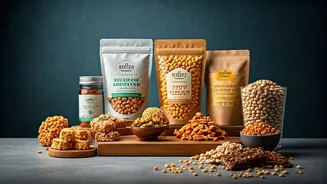
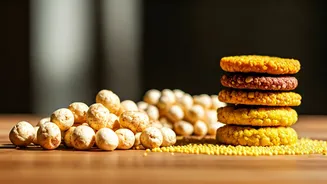
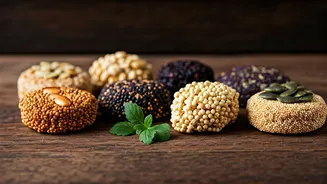
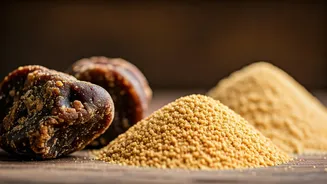
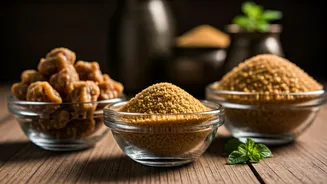
now competing with a fast-growing category: wellness snacks. But this isn't about kale chips and celery juice. In India, 'wellness' means looking back to traditional ingredients and giving them a modern, convenient makeover. We’re talking about roasted makhana (puffed fox nuts), which have the satisfying crunch of popcorn but are packed with protein and minerals. Imagine chips made not from potatoes, but from ragi (finger millet) or jowar (sorghum), ancient grains celebrated for their nutritional value. Instead of sugary granola bars, you’ll find 'energy ladoos' made with dates, nuts, and seeds, or protein bars flavored with cardamom and saffron. It’s a movement that blends guilt-free eating with authentic Indian flavors.
A Perfect Storm for Healthier Habits
So, why is this happening now? Several cultural and economic forces are converging to create the perfect environment for this trend. First, there’s the post-pandemic health awakening. Like the rest of the world, Indian consumers have become hyper-aware of immunity and overall well-being. This has accelerated a shift away from processed foods toward options perceived as 'natural' or 'clean.' Second, India has a massive young population of millennials and Gen Z consumers with growing disposable incomes. They are digitally native, influenced by global wellness trends, and more willing than previous generations to read labels and pay a premium for products that align with their health goals. Urbanization plays a key role, too. Hectic city lifestyles demand convenient, on-the-go options, but consumers no longer want to compromise on health for the sake of speed. This 'need for speed, desire for good' is exactly where wellness snacks thrive.
Tradition, Remixed for Today
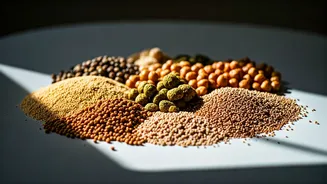
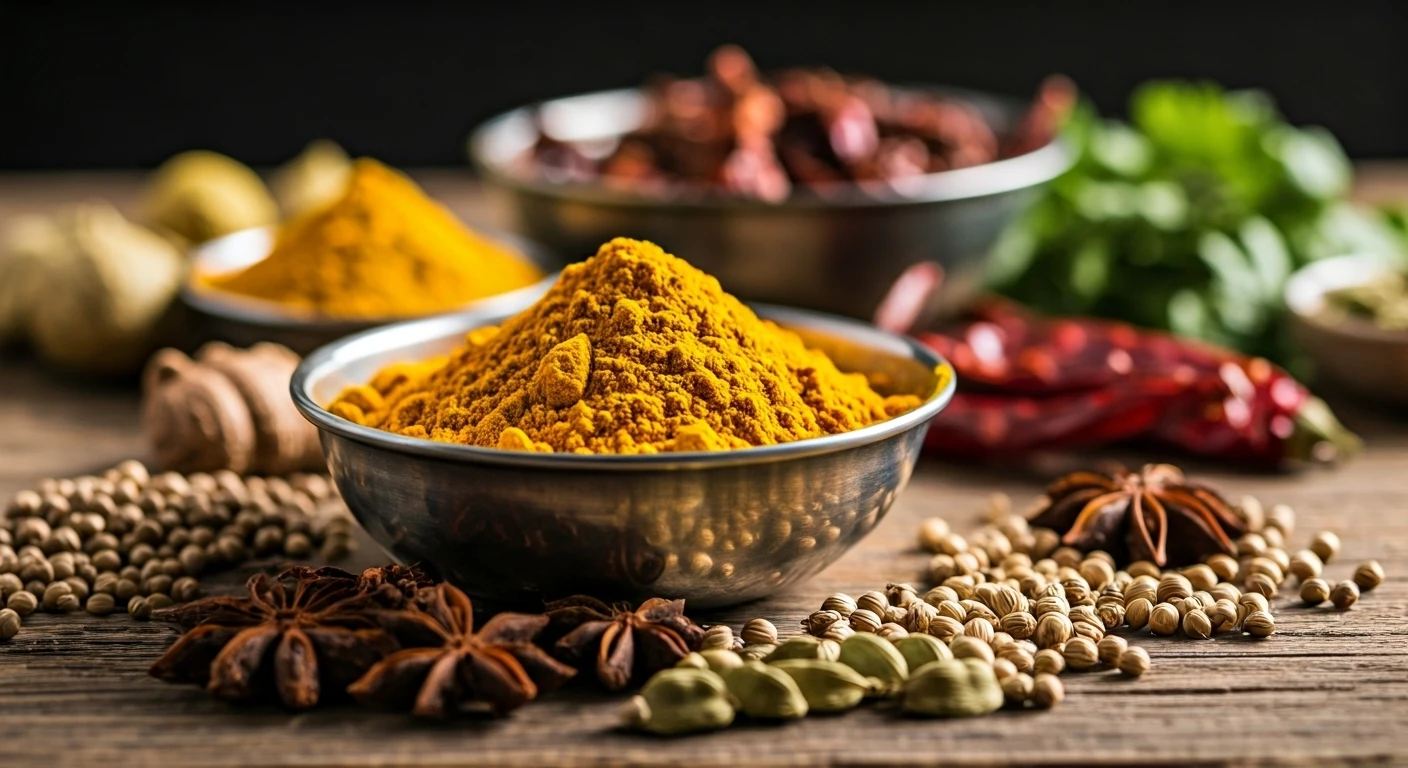
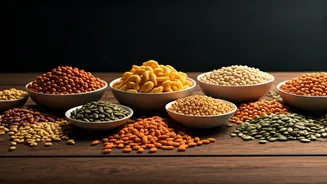
Perhaps the most fascinating part of this trend is how it’s reinventing tradition rather than replacing it. Instead of importing Western health fads wholesale, Indian brands are tapping into a deep well of local culinary wisdom. Millets, once considered a humble rural staple, are now being hailed as 'superfoods' and are the star ingredients in everything from breakfast cereals to baked puffs. Lentils and chickpeas are being transformed into high-protein, gluten-free pastas and crisps. Even classic snacks are getting a 'health-ified' glow-up. You can now find baked chakli (a spiral-shaped savory snack) and vacuum-fried banana chips, which offer the same beloved taste but with a fraction of the oil. This approach is brilliant because it feels both innovative and familiar, satisfying a craving for novelty without alienating a palate accustomed to traditional spices and textures. It’s comfort food, just with better PR.
Startups Seize the Snack Market
This shift has thrown the doors of the estimated $15 billion Indian snack market wide open. While legacy giants like PepsiCo (with its Lay's and Kurkure brands) and Haldiram's still dominate, they are facing fierce competition from a wave of nimble, direct-to-consumer (D2C) startups. Brands like The Whole Truth, Slurrp Farm, and Yoga Bar have built loyal followings with transparent ingredient lists, savvy social media marketing, and a focus on specific dietary needs—from gluten-free to vegan to kid-friendly. These companies speak the language of the new Indian consumer, promising 'no hidden sugars' and '100% clean ingredients.' Market analysts are taking note, with some reports projecting the healthy snack segment in India could triple in value by 2026, making it one of the fastest-growing food categories in the country.