








From the Road to the Living Room
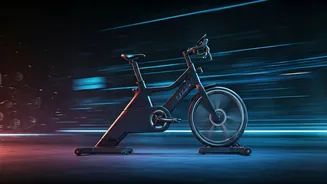
First, what exactly is a virtual cycling marathon? Forget the stationary bikes of old, collecting dust in a corner. We're talking about a sophisticated, gamified experience. Cyclists mount their real road bikes onto “smart trainers”—devices that measure
power output and can simulate resistance. This hardware syncs with online platforms like Zwift, RGT Cycling, or FulGaz, placing a rider’s digital avatar into a virtual world. You can ride through pixel-perfect re-creations of London, Paris, or fantasy landscapes alongside thousands of other riders from across the globe. These platforms host everything from casual group rides to brutally long organized events, like 100-mile “vEveresting” challenges where riders climb the virtual equivalent of Mount Everest. It's part video game, part social network, and part serious athletic endeavor.
The Hazards of Riding Outdoors
So why is this trend exploding in India specifically? The answer isn’t just about cool tech; it's about practicality and safety. For many urban Indians, cycling on actual roads is a high-risk activity. Major cities like Mumbai, Delhi, and Bengaluru are notorious for chaotic traffic, poorly maintained roads, and a general lack of cycling infrastructure. Riders face a constant threat from cars, buses, and motorcycles that often don't respect cyclists' space. Add in factors like extreme weather—from monsoon rains to scorching summer heat—and high levels of air pollution, and the appeal of a climate-controlled, traffic-free ride becomes obvious. Virtual cycling offers a safe, consistent, and accessible way to train seriously without dodging danger every few feet.
A New Kind of Community
Perhaps the biggest driver is community. While platforms like Peloton build community around a charismatic instructor, platforms like Zwift build it around shared struggle and competition. Indian cyclists are forming massive virtual clubs, like the 'Indian Cycling Community' or 'Zwift India,' which boast thousands of members. They organize group rides tailored to Indian time zones, host national-level e-racing championships, and use platforms like WhatsApp and Discord to coordinate, share tips, and build camaraderie. This digital connection transcends geography. A rider in a small town in Kerala can join a group ride with cyclists in New Delhi and even compete in a global league against teams from Europe and North America. It’s a level of social connection and competition that was previously impossible for most amateur athletes.
The Economics of an Aspirant Class
This isn't a cheap hobby. A decent smart trainer can cost anywhere from $500 to over $1,200, plus the cost of a bike and a monthly subscription to a platform like Zwift. Yet, this is where the story connects to India's broader economic picture. The country's expanding middle and upper-middle class has more disposable income and is increasingly investing in health, wellness, and aspirational hobbies. For this demographic, a high-tech indoor cycling setup is not just a fitness tool but a status symbol, much like a premium gym membership or a high-end road bike once was. It signals a modern, globally-connected lifestyle. As technology becomes slightly more affordable and internet access more ubiquitous, this niche is rapidly expanding, creating a significant new market that global fitness-tech companies are eagerly watching.