


How We Got Fat So Wrong
For decades, fat was public enemy number one. The prevailing wisdom, based on some influential but now contested research from the mid-20th century, was simple: eating fat makes you fat and clogs your arteries. This led to a national obsession with low-fat
and fat-free products, from cookies and crackers to yogurt and salad dressing. But when food manufacturers removed fat, they had to add something else to make the food palatable. That something was usually sugar, refined flour, and a host of artificial ingredients. The result? Americans dutifully cut back on fat but became heavier and less healthy, as we loaded up on simple carbs and sugars that spiked insulin and promoted fat storage. It turned out that the enemy wasn't fat itself, but our oversimplified understanding of it.
Not All Fats Are Created Equal
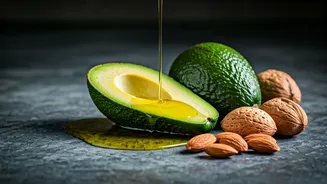
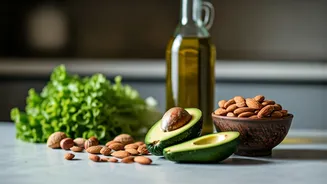
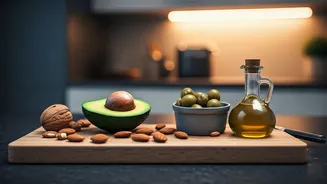
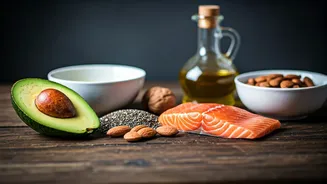
The single most important update to our nutritional thinking is the realization that the *type* of fat you eat is far more important than the *amount*. The fat family is a diverse bunch, with very different effects on your body. Think of it like this: * **Unsaturated Fats (The Good Guys):** These are the heroes of the story. Found in foods like olive oil, avocados, nuts, seeds, and fatty fish, they are liquid at room temperature. They include monounsaturated and polyunsaturated fats (like omega-3s and omega-6s). These fats help lower bad cholesterol (LDL), raise good cholesterol (HDL), and reduce inflammation, which is a driver of many chronic diseases. * **Saturated Fats (The Complicated Middle Child):** Found in red meat, butter, cheese, and coconut oil, these are solid at room temperature. Their reputation is improving, but the advice is still nuanced. While not the villain they were once painted as, most experts recommend consuming them in moderation as part of a balanced diet rich in plants and unsaturated fats. * **Trans Fats (The Actual Villain):** These are the ones to avoid. Artificial trans fats are created by an industrial process called hydrogenation. They raise bad cholesterol, lower good cholesterol, and are strongly linked to heart disease, stroke, and diabetes. They're often found in fried foods, baked goods, and processed snacks. The FDA has taken steps to ban them, but they can still lurk in some products.
Why Your Body Needs Good Fats
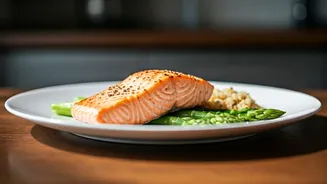
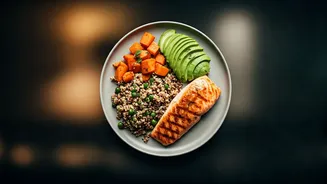
So, why are experts now encouraging us to embrace avocados and salmon? It’s not just about heart health. Healthy fats are critical for how our bodies function. First, they are incredibly satiating. A meal rich in healthy fats keeps you feeling full and satisfied for longer than a high-carb meal, which can help reduce overall calorie intake and curb cravings for sugary snacks. This is a game-changer for weight management. Second, fats are essential for absorbing crucial fat-soluble vitamins—A, D, E, and K. Without fat in your diet, you can't properly access these nutrients from your food. Finally, your brain is nearly 60% fat. Omega-3 fatty acids, in particular, are vital for brain health, memory, and mood regulation.
Putting It on Your Plate
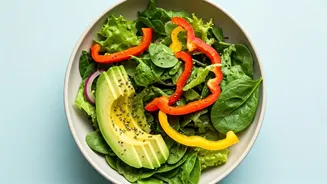
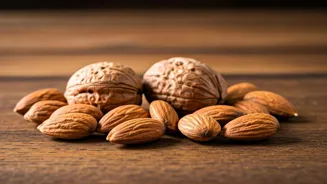
Incorporating healthy fats doesn't require a radical diet overhaul. It’s about making smart, simple swaps. Instead of low-fat dressing loaded with sugar, dress your salad with a drizzle of extra virgin olive oil and lemon juice. Instead of a bagel with cream cheese for breakfast, try whole-grain toast topped with mashed avocado and a sprinkle of sea salt. Snacking on a handful of almonds or walnuts is a better choice than reaching for a bag of pretzels. Add fatty fish like salmon or mackerel to your dinner rotation a couple of times a week. The goal isn't to start chugging olive oil; it's to intentionally choose whole foods that contain these beneficial fats, crowding out the highly processed, nutrient-poor options.