



Science Behind the Darkness
So, what makes tonight so special? It comes down to one simple, powerful fact: there’s no moon in the sky. During a new moon, the moon is positioned between the Earth and the sun. Its illuminated side is facing away from us, making it invisible to the naked
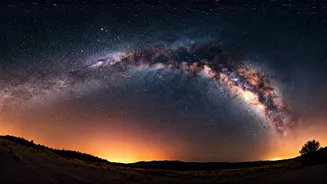
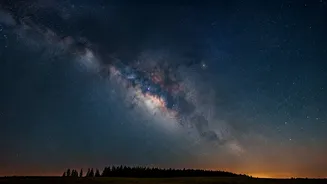
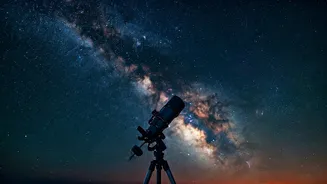
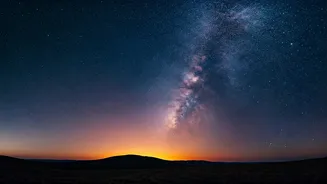
eye. This is a stargazer’s dream. Without the bright glow of moonlight washing out the sky, the fainter, more distant objects in our cosmos suddenly pop into view. Stars that are usually lost in the glare become sharp points of light, the Milky Way’s hazy band becomes more discernible, and the entire celestial dome feels deeper and more vast. It’s the astronomical equivalent of turning off all the lights in a room to see a candle flicker more brightly. This isn't a subtle difference; it's a dramatic shift that transforms the night sky from a familiar backdrop into an immersive, three-dimensional spectacle.
The Taurus Vibe: Grounded Cosmic Wonder
While science gives us the 'how,' astrology gives us the 'why it feels right.' This new moon falls in the sign of Taurus, an earth sign renowned for its connection to the material world, patience, and sensory pleasure. Think of Taurus energy as the quiet joy of walking barefoot on cool grass or savoring a delicious meal. It’s about being present in your body and appreciating the beauty of the physical realm. This makes stargazing the perfect Taurean activity. It requires no frantic energy—only patience as your eyes adjust to the dark. It’s a deeply sensory experience, asking you to simply sit, observe, and feel the awe of the cosmos. Instead of striving or rushing, the Taurus new moon invites you to connect with the universe from a grounded, stable place. It’s an opportunity to contemplate your own place in the grand scheme of things, not with anxiety, but with a quiet, rooted sense of belonging.
What to Look For in the Spring Sky
With the sky so dark, you’ll have a stellar menu of sights to choose from. Even if you're not an expert, a few key players are easy to spot. First, find the Big Dipper. It’s one of the most recognizable patterns in the northern sky. Follow the arc of its handle to find Arcturus, a brilliant, orange-hued star in the constellation Boötes. Then, 'speed on' to Spica, a bright blue-white star in Virgo. If you can find a spot with a truly dark, clear view to the north, the Big Dipper can also serve as your guide to Polaris, the North Star. Look for the two stars that form the outer edge of the Dipper's 'cup' and draw a straight line up from them; the first bright star you hit is Polaris. For planet hunters, check a stargazing app for the current positions of Jupiter or Saturn, which are often visible as steady, bright lights that don't twinkle like stars.
Your Stargazing Success Kit
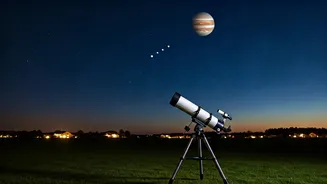
You don't need a fancy telescope to have a profound experience, but a little preparation goes a long way. First, and most importantly, escape light pollution. Drive a few miles out of town to a park, a rural road, or any spot with a wide, unobstructed view of the sky. Second, give your eyes time. It takes about 20-30 minutes for your pupils to fully dilate and adjust to the darkness. Avoid looking at your phone during this time (the white light will reset your night vision). If you need a light, use a flashlight with a red filter, as red light is less disruptive. Third, get comfortable. This is a Taurean pursuit, after all. Bring a blanket or a comfortable camping chair, a thermos of a warm drink, and dress in layers, as nights can get chilly even in spring. Finally, consider downloading a stargazing app like SkyView Lite or Star Walk. These apps use your phone's camera to identify constellations, stars, and planets in real time, turning a beautiful view into an educational one.