
From Opulence to Oasis
For decades, the marker of a luxury home in cities like Mumbai, Delhi, or Bengaluru was conspicuous wealth. It was about showcasing success through maximalist decor, gleaming surfaces, and brand-name furniture. But a significant shift is underway, driven
by a generation of affluent, globally-aware professionals. Today, the ultimate status symbol isn’t just what you own, but how you feel. The focus has pivoted from overt opulence to creating a personal oasis. This new design philosophy sees the home as an active participant in one’s health—a tool to de-stress, recharge, and find balance in an increasingly chaotic world. Designers report clients are no longer asking for a “wow factor” in the traditional sense; they’re asking for a sense of calm.
The Rise of the Urban Sanctuary
This trend is a direct response to the pressures of modern urban Indian life. With long commutes, high-pressure jobs, and persistent noise and air pollution, the home has become the last bastion of peace. The COVID-19 pandemic accelerated this dramatically, forcing people to spend unprecedented time indoors and re-evaluate their living spaces. The home was no longer just a place to sleep; it had to function as an office, gym, school, and retreat. This has led to a surge in demand for features that actively combat the stress of the outside world. Homebuyers are now willing to make significant financial investments in elements that promote mental and physical clarity, seeing it not as an expense, but as a long-term investment in their family's quality of life.
Biophilia and Natural Materials
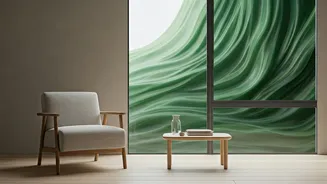
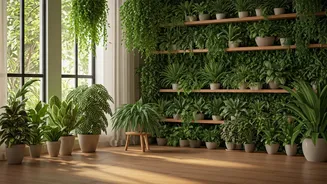
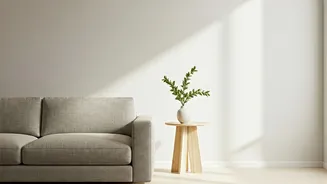
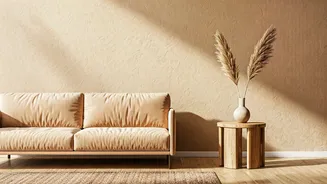
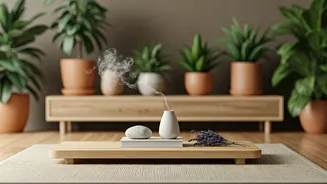
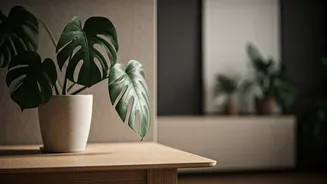
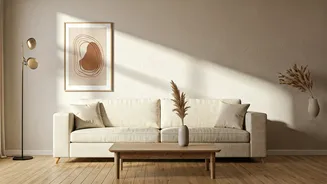
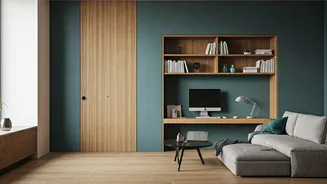
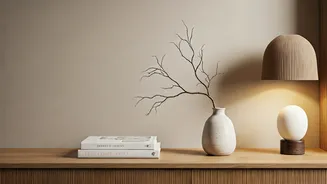
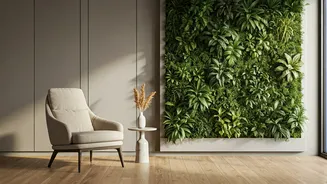
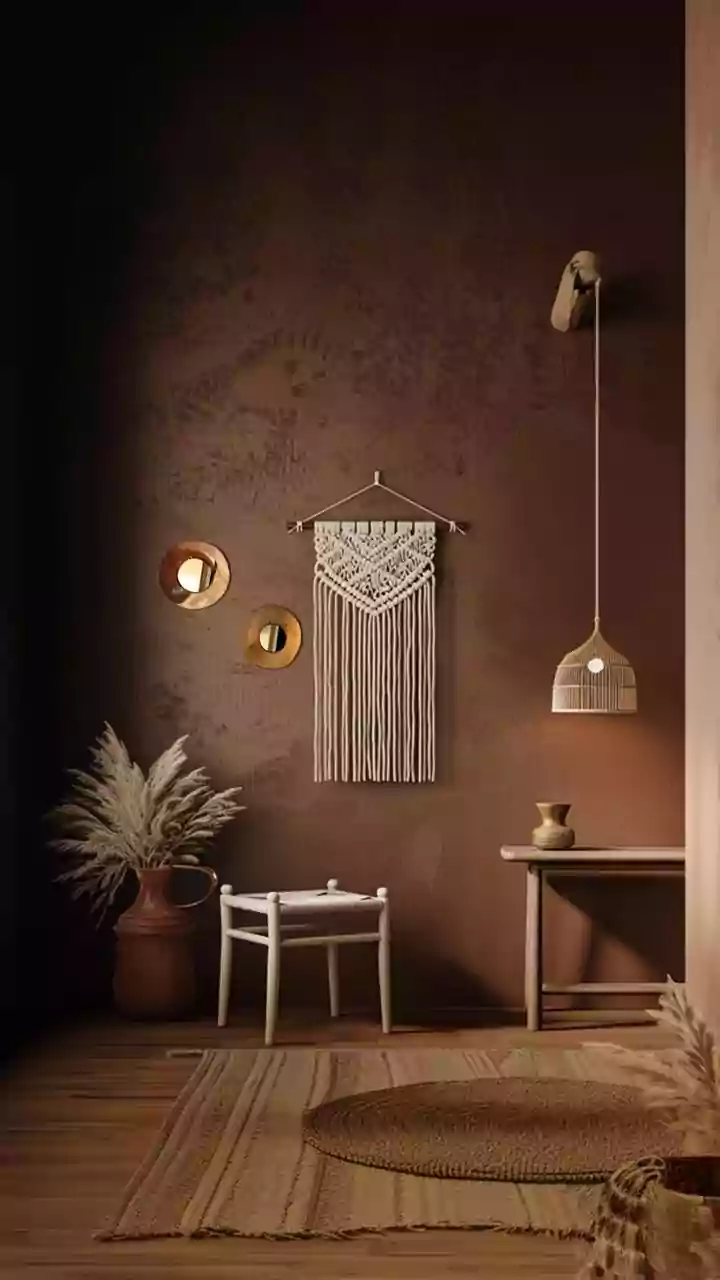
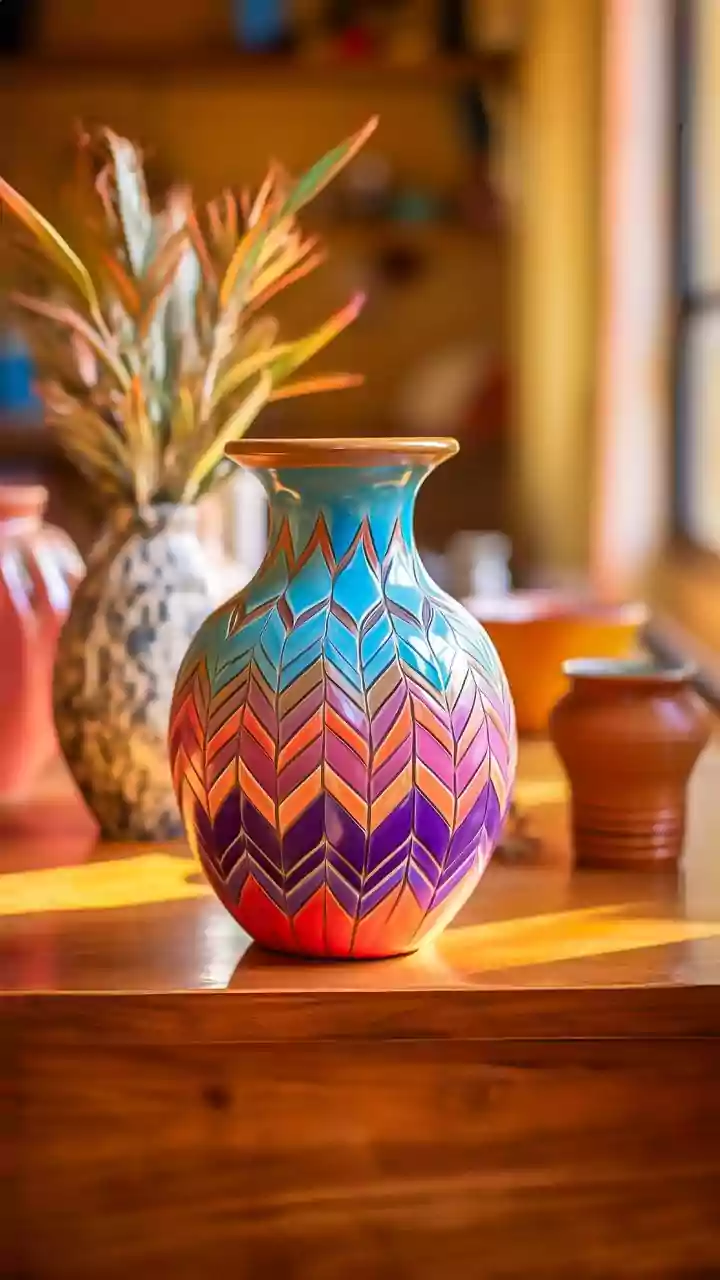
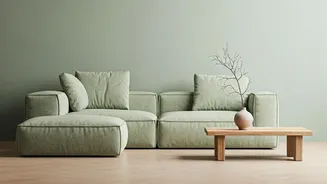
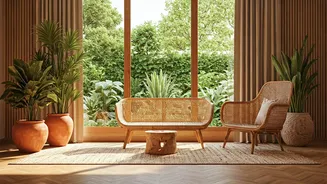
So what does a wellness-driven interior look like? A key principle is biophilia—the integration of nature into the built environment. This goes far beyond a few potted plants. We're seeing entire 'green walls,' indoor courtyards in larger homes, and expansive balconies designed as lush gardens. Large windows that maximize natural light are non-negotiable. The material palette has also shifted. Polished, synthetic surfaces are being replaced by natural, tactile materials like reclaimed wood, terracotta, rattan, stone, and breathable fabrics like linen and cotton. Color schemes are leaning into earthy tones—shades of sage green, warm beige, soft ochre, and deep blues—that evoke a sense of grounding and tranquility. The goal is to create a sensory experience that is soothing and restorative.
Modern Vastu and Mindful Spaces
This movement also involves a modern reinterpretation of ancient Indian principles, particularly Vastu Shastra, a traditional system of architecture that emphasizes harmony with natural forces. While older generations may have followed Vastu with rigid superstition, today’s homeowners are working with architects to apply its core concepts in a more flexible, logical way. This includes optimizing room placement for better light and air circulation, ensuring an uncluttered flow of energy, and using the five elements (earth, water, fire, air, and space) as a guiding design philosophy. Furthermore, dedicated spaces for mindfulness are becoming standard. This could be a quiet corner with a comfortable armchair for reading, a formal room for yoga and meditation complete with specific lighting, or a small, tech-free zone for digital detox.
The Technology of Well-Being
The investment isn’t just in aesthetics; it’s also in high-tech wellness infrastructure. Sophisticated air purification systems are now a must-have to combat urban pollution. Water filtration systems that provide pristine drinking and bathing water are also common. One of the most significant areas of investment is in smart lighting. Human-centric circadian lighting systems that automatically adjust color temperature throughout the day—from bright, cool light in the morning to warm, soft light in the evening—are being installed to support natural sleep-wake cycles. These features are seamlessly integrated into the home's design, working quietly in the background to enhance the resident's health.