






Reframe 'Diet' as 'Fuel'
For many, the word “diet” is loaded with negative connotations of restriction, deprivation, and misery. It’s time for a mental shift. Instead of thinking about what you *can’t* eat, start thinking about what you *can* eat to fuel your body for success.
Food isn’t the enemy; it’s the high-performance fuel that powers your workouts, repairs your muscles, and builds the physique you’re working toward. An engine can’t run without gasoline, and your body can’t perform at its peak without the right nutrients. This simple change in perspective—from restriction to empowerment—is the first and most crucial step. You’re not “on a diet”; you are strategically fueling a high-performance machine: your body.
Match Your Macros to Your Mission
Not all fitness goals are the same, and your nutrition shouldn't be, either. The key is to understand the role of the three macronutrients—protein, carbohydrates, and fats—and align them with your primary objective.
- **For Strength & Muscle Growth:** Protein is your best friend. It’s the building block for muscle repair and growth. After you create micro-tears in your muscles during a lift, protein provides the raw materials to rebuild them stronger. While protein is king, don't neglect carbohydrates, which provide the energy to push heavy weights in the first place.
- **For Endurance:** If you’re a runner, cyclist, or swimmer, carbohydrates are your primary fuel source. They are stored in your muscles and liver as glycogen and are the most readily available source of energy for sustained activity. A meal plan rich in complex carbs (oats, brown rice, sweet potatoes) will keep your tank full for the long haul.
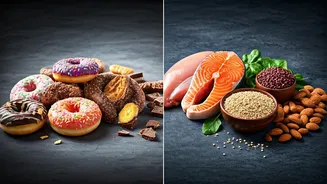
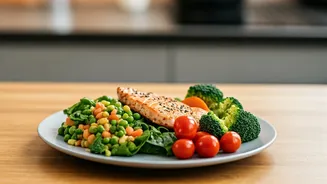
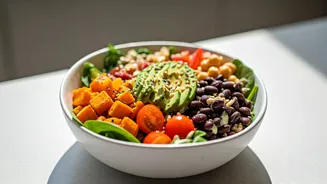
- **For Fat Loss:** A common mistake is cutting calories so drastically that you also lose muscle. The goal is to create a moderate calorie deficit while keeping protein intake high. This helps preserve lean muscle mass, which is metabolically active and helps burn more calories at rest. Balanced meals that combine protein, healthy fats, and fiber-rich carbs will keep you full and prevent the energy crashes that lead to poor food choices.
The Power of Pre-Workout Nutrition
Would you start a road trip on an empty tank of gas? Showing up to a workout under-fueled is a recipe for a lackluster performance. Eating the right thing at the right time can make a significant difference. The ideal pre-workout meal or snack is rich in easily digestible carbohydrates to provide a quick energy source, with a small amount of protein. This isn’t the time for a heavy, high-fat meal that will sit in your stomach. Think a banana with a spoonful of peanut butter, a small bowl of oatmeal, or a piece of toast with avocado. Aim to eat 60-90 minutes before your workout to give your body time to digest and put that fuel to use.
The Critical Post-Workout Recovery Meal
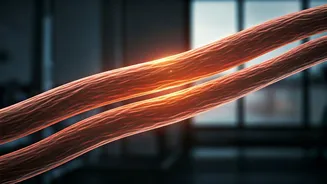
What you eat after your workout is just as important as what you eat before. Exercise depletes your energy stores (glycogen) and breaks down muscle fibers. Your post-workout meal should aim to do two things: replenish your energy and kick-start muscle repair. This is where the classic combination of protein and carbohydrates shines. The carbs help restore glycogen levels, while the protein gets to work repairing and rebuilding muscle tissue. While the idea of a 30-minute “anabolic window” has been debated, the principle remains sound: consuming a balanced meal within a couple of hours after your workout is crucial for recovery and progress. A protein shake with a banana, grilled chicken with quinoa, or Greek yogurt with berries are all excellent options.
Hydration Is Non-Negotiable
Finally, no nutrition plan is complete without prioritizing hydration. Water is essential for virtually every bodily function, including nutrient transport, temperature regulation, and joint lubrication. Even mild dehydration can significantly impair physical performance, reduce endurance, and decrease strength. Don’t wait until you’re thirsty to drink; by then, you’re already dehydrated. Carry a water bottle with you throughout the day and make a conscious effort to sip consistently, especially before, during, and after your workouts. Proper hydration is the simplest, cheapest, and one of the most effective ways to boost your fitness performance.