

A Colonial Escape in the Clouds
For Americans, Shimla might not be on the typical travel radar, but it holds a unique place in history. During the 19th and early 20th centuries, it was the official summer capital of British India. When the plains of Delhi and Kolkata became unbearably
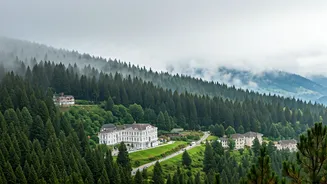
hot, the entire colonial administration would pack up and move to this mountain town, perched at an altitude of over 7,000 feet. This history is etched into its architecture, from the grand Viceregal Lodge, where major decisions about the subcontinent were made, to the quaint, English-style cottages that dot the hillsides. The town was, quite literally, designed as an escape from heat. That legacy endures, not just in its buildings but in its very atmosphere—a place built for leisurely strolls, cool breezes, and a slower pace of life.
The Scent of Pine and Cedar
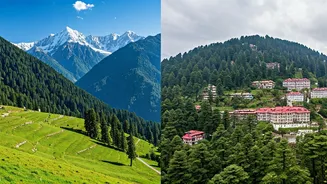
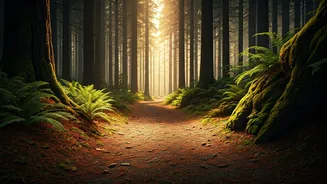
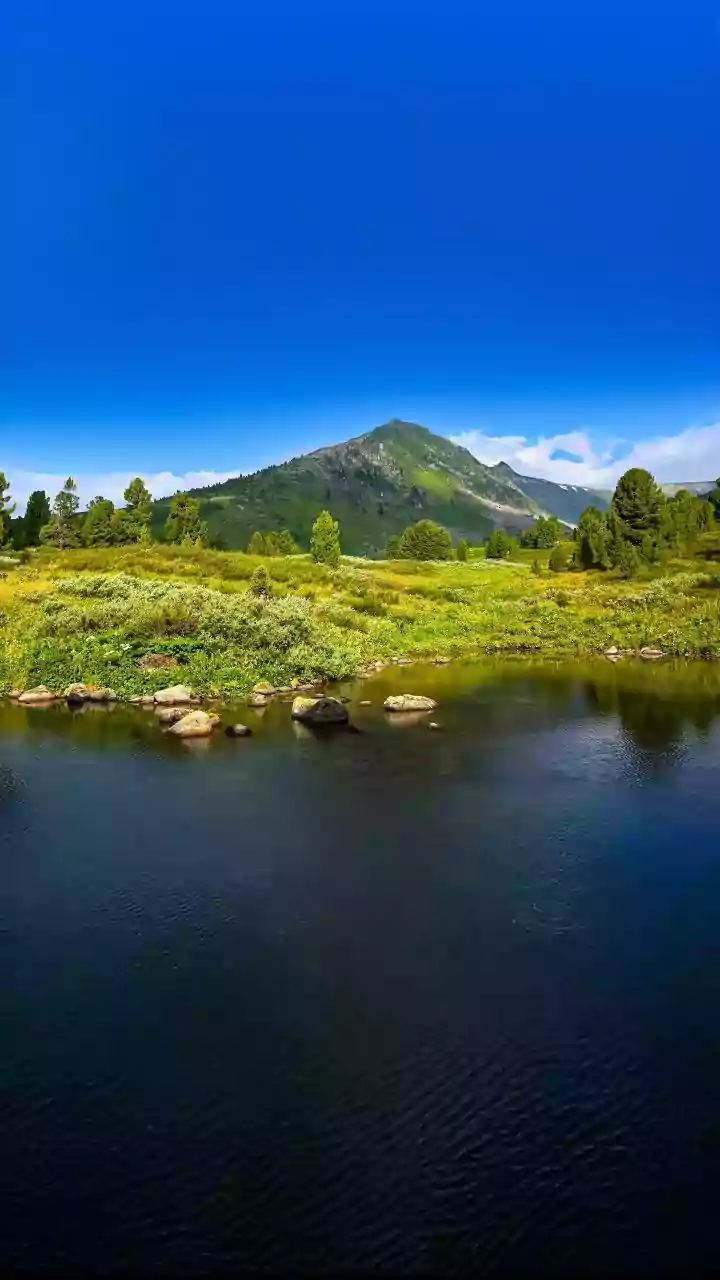
The true magic of Shimla, however, lies just beyond the bustling town center. The surrounding hills are draped in dense forests of towering deodar cedars—often called Himalayan cedar but with the same majestic, pine-like presence—and pines. Stepping onto one of these trails is an immediate sensory shift. The air instantly cools, carrying the sharp, clean fragrance of pine needles and damp earth. Sunlight filters through the high canopy, dappling the path in shifting patterns of light and shadow. The noise of the town fades, replaced by the whisper of wind through the branches and the distant call of a Himalayan bird. These aren't rugged, high-altitude treks requiring specialized gear; for the most part, they are gentle, well-marked paths perfect for a morning walk or an afternoon meander. They are accessible invitations to reconnect with nature.
Your Trail Awaits: Where to Walk
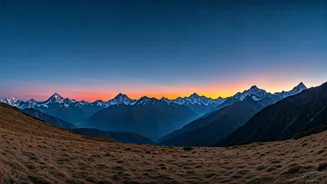
Shimla offers a variety of trails for every fitness level. One of the most beloved is the path through the Glen Forest, a short drive from the center of town. It’s a thickly wooded valley with a babbling stream, offering an easy, mostly flat walk that feels worlds away from civilization. It's an ideal spot for a family outing or a quiet hour of contemplation. For those seeking a bit more of a challenge and a rewarding view, the trail up to Jakhoo Temple is a must. This steep, two-kilometer climb leads to a temple dedicated to the monkey god Hanuman, perched atop Shimla's highest peak. While the walk is strenuous, it's paved and shaded, and the panoramic views of the surrounding Himalayan ranges from the top are breathtaking. Just be sure to secure your belongings—the resident monkeys are notoriously curious.
Beyond the Forest Paths
The trails are the main draw for nature lovers, but Shimla’s charms extend back into town. The heart of Shimla is the Mall Road, a pedestrian-only thoroughfare that runs along the town’s ridge. It’s the perfect place for a post-hike stroll, lined with colonial-era buildings, bakeries, bookstores, and shops selling local handicrafts. Here, you can sip a coffee at the Indian Coffee House, a local institution, or browse for woolen shawls and carved wooden toys. Just below the Mall Road is the chaotic but vibrant Lower Bazaar, a maze of narrow lanes where you can experience a more traditional market atmosphere. The combination of serene nature and lively, historic town life gives Shimla a unique dual appeal.
Planning Your Mountain Retreat
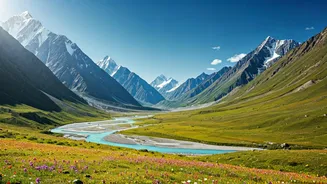
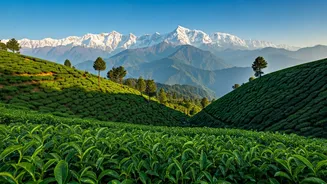
The best time to visit Shimla for pleasant weather and hiking is during the spring (March to June) and autumn (September to November). The summer months offer a welcome respite from the heat of the Indian plains, while autumn brings crisp air and clear skies. The monsoon season (July and August) is best avoided, as heavy rains can cause landslides and make trails slippery. Packing is simple: think layers. Days can be warm and sunny, but mornings and evenings are cool, especially in the shade of the forest. Comfortable walking shoes are essential. Shimla isn't about extreme adventure; it's about comfort, refreshment, and soaking in a unique blend of Indian culture and British colonial history, all set against a stunning Himalayan backdrop.