






From Wishful Thinking to Predictive Planning
For years, travel inspiration was driven by glossy magazines and, more recently, perfectly curated Instagram feeds. You’d see a stunning shot of the Northern Lights or a deserted-looking beach and think, “I want to go there.” The problem? Those images
rarely came with a disclaimer about the specific conditions required to capture them. The result was a generation of travelers chasing moments that were often more about luck than planning, leading to the inevitable letdown of a ten-hour flight for a view that never materialized. Now, the pendulum is swinging back. Travelers are becoming less interested in the aspirational, filtered version of a destination and more interested in the statistical probability of having a great experience. They’re treating their precious vacation time like an investment, and they want to see a return. This isn’t about a lack of romance or adventure; it’s about using technology to stack the deck in favor of wonder. Instead of just hoping to see the aurora, they’re using apps that forecast geomagnetic activity. Instead of just showing up at a national park, they’re checking real-time crowd data.
The New Toolkit: Weather, Crowds, and Timing
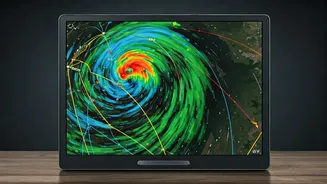
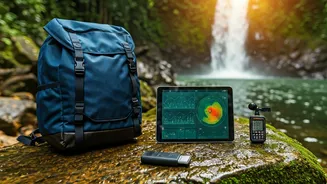
This data-driven approach isn’t about one single tool, but an entire ecosystem of information that helps travelers pinpoint the perfect moment. The most common data points fall into three key categories. First is atmospheric and weather data. This goes far beyond a simple forecast. For the 2024 solar eclipse, travelers meticulously planned their locations not just along the path of totality, but in places with the historically lowest chance of cloud cover. Apps like My Aurora Forecast & Alerts give users real-time data and push notifications, turning a game of chance into a calculated plan. Second is crowd data. The frustration of arriving at a national park only to find the entrance closed or the main trails gridlocked is a modern travel tragedy. To combat this, travelers are using tools like Google Maps’ “Popular Times” feature, park-specific webcams, and third-party apps that predict congestion levels. This allows them to visit popular spots during shoulder hours or choose less-trafficked alternatives, preserving both the environment and their sanity. Finally, there’s biological and seasonal timing. Want to see the fall foliage at its absolute peak? There are foliage trackers for that. Hoping to witness a superbloom of desert wildflowers? Botanical gardens and park services often provide bloom-level updates. This level of precision planning helps travelers experience natural phenomena at their most spectacular.
Is This Killing the Spontaneity?
A common critique of this trend is that it strips travel of its spontaneity and sense of discovery. If every moment is optimized, where is the room for happy accidents? But many who embrace this method would argue the opposite. By using data to handle the logistical hurdles—avoiding crowds, confirming good weather, securing a clear view—they are freeing up mental energy to be more present and spontaneous in the moment. Think of it this way: you’re not planning the awe, you’re planning the *opportunity* for awe. Knowing you’ll have a clear night to see the stars doesn't ruin the magic of looking up at the Milky Way. It just ensures you’re not staring at a blanket of gray clouds. This data-informed approach minimizes the risk of the biggest travel frustrations, allowing the joyful, unexpected moments to feel even more special. It’s a strategic trade-off: a little more planning on the front end for a much higher chance of a memorable experience on the back end.
How to Be a Data-Savvy Traveler
Becoming a more data-informed traveler doesn't require a degree in statistics. Start by layering your sources; don't rely on just one weather app. Cross-reference it with real-time webcams of your destination if they're available. For major natural events, look for specialized resources. NASA provides detailed eclipse maps, and NOAA offers space weather predictions for aurora chasers. Embrace park-specific alerts for trail closures and capacity updates. By combining broad data with hyper-local, real-time information, you move from a passive tourist to an active, informed explorer, ready to make the most of every single trip.