


The Age of Performative Wellness
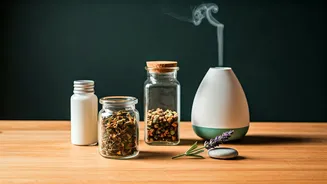
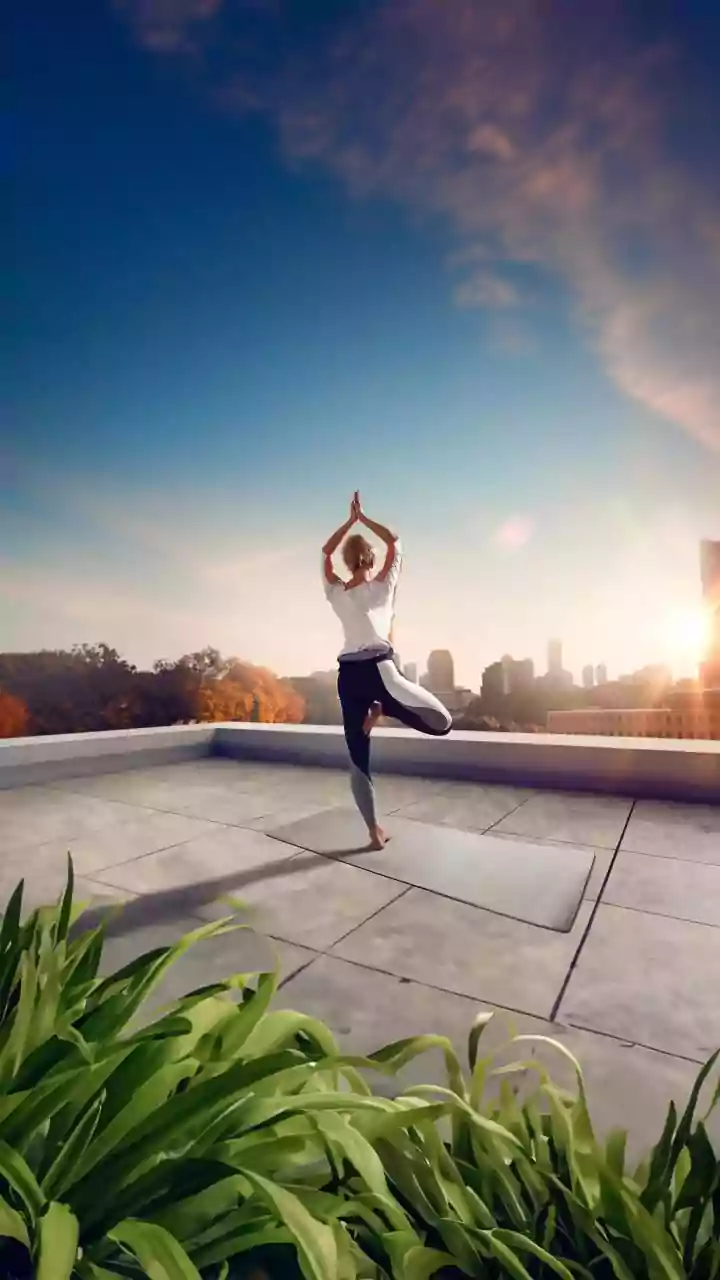
Remember the 2010s? Wellness wasn't just a practice; it was an aesthetic. It was a competitive sport played out on Instagram feeds, where status was measured in SoulCycle memberships, week-long silent retreats, and pantries stocked with Gwyneth Paltrow-approved
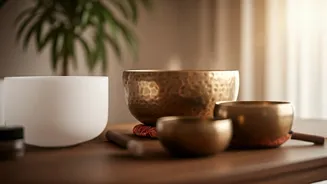
supplements. This was the era of conspicuous wellness consumption. The message was clear: self-care was a luxury good, and achieving inner peace required a significant outer investment. This high-gloss version of well-being created an aspirational, yet often inaccessible, standard. It tied mental and physical health to expensive products and exclusive services, suggesting that if you couldn’t afford the $40 candle or the infrared sauna session, you were somehow failing at taking care of yourself.
Enter: The Quiet Rebellion
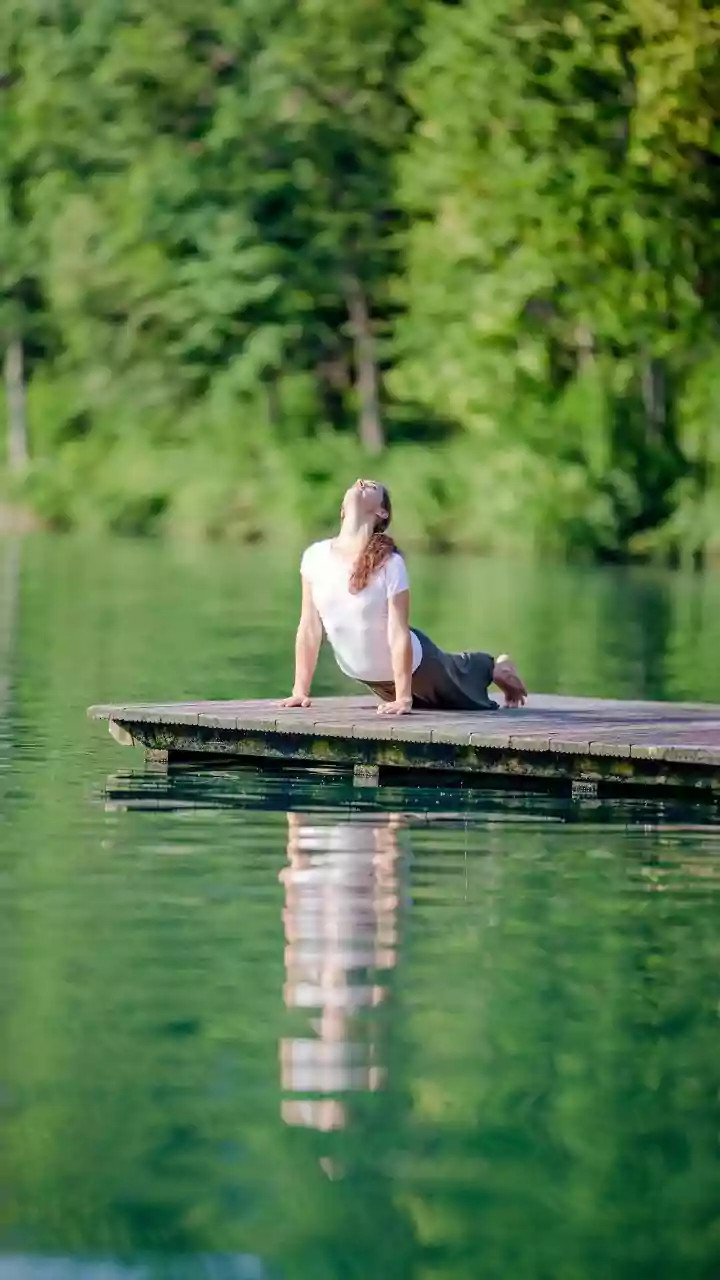
The new flex isn't about broadcasting wealth; it's about demonstrating wisdom. Affordable wellness is the quiet rebuttal to the commercialization of self-care. It’s not about being cheap, but about being resourceful, intentional, and grounded. The new status symbol is a library card used to its full potential, a home-cooked meal that nourishes better than any $20 salad, or the profound peace found on a long walk through a public park. This shift redefines 'flexing' from an outward display of purchasing power to an inward cultivation of contentment. It champions the idea that true well-being isn't something you buy, but something you build with the resources you already have. It’s a flex of ingenuity over income.
Why the Shift Is Happening Now
Several cultural currents are feeding this trend. First, the obvious: economic reality. With inflation and the rising cost of living, discretionary income for high-end wellness is shrinking for many Americans, particularly Millennials and Gen Z. The choice is no longer between a fancy gym and a basic one, but between a gym and groceries. Second, there's a growing fatigue with consumerism and influencer culture. The rise of 'deinfluencing'—where creators advise followers on what *not* to buy—signals a backlash against the endless cycle of aspirational marketing. People are craving authenticity and are increasingly skeptical of curated online personas. Finally, the pandemic recalibrated our relationship with our homes and local communities. We discovered that a walk around the neighborhood, a borrowed book, or a phone call with a friend could be just as restorative as a high-priced experience.
What the New Wellness Flex Looks Like
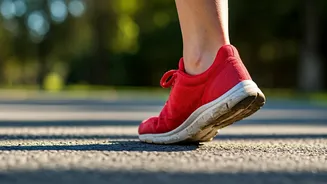
Embracing this ethos is simpler and more satisfying than you might think. It’s about smart swaps that prioritize feeling good over looking good for an algorithm. Instead of a monthly subscription to a meditation app, it’s exploring the thousands of free guided meditations on YouTube or podcasts. Instead of pricey 'superfood' powders, it's buying whole, seasonal produce from a local market. The viral 'hot girl walk' isn't about having the right sneakers; it's about the simple, powerful act of moving your body outside, for free. This approach includes rediscovering public goods: borrowing from the library, enjoying city parks, or joining free community groups. The flex is in the feeling of peace you get from a balanced budget, the joy of a home-cooked meal shared with loved ones, and the realization that your well-being was never for sale in the first place.