




More Than Just Turmeric
For many Americans, "healthy" Indian food might bring to mind a golden turmeric latte or a vague notion that spices are good for you. While not untrue, that's just scratching the surface. A deeper, more significant movement is bubbling up, focused on celebrating
and reclaiming the subcontinent's vast repertoire of traditional, gut-friendly foods. This isn't about inventing new health fads; it's about re-popularizing ancient culinary wisdom that prioritized digestion, preservation, and nutrient absorption long before "microbiome" was a buzzword. This movement emphasizes whole ingredients, regional diversity, and, most importantly, the transformative power of fermentation.
The Ancient Art of Fermentation
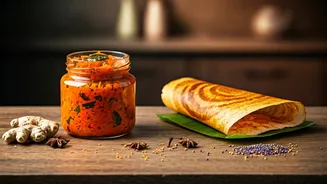
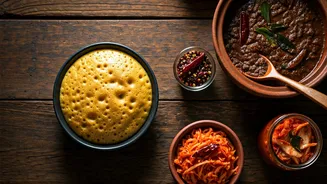
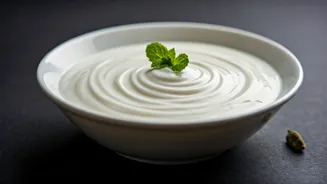
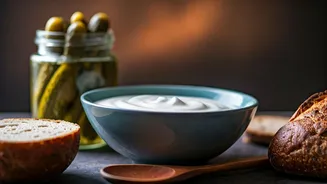
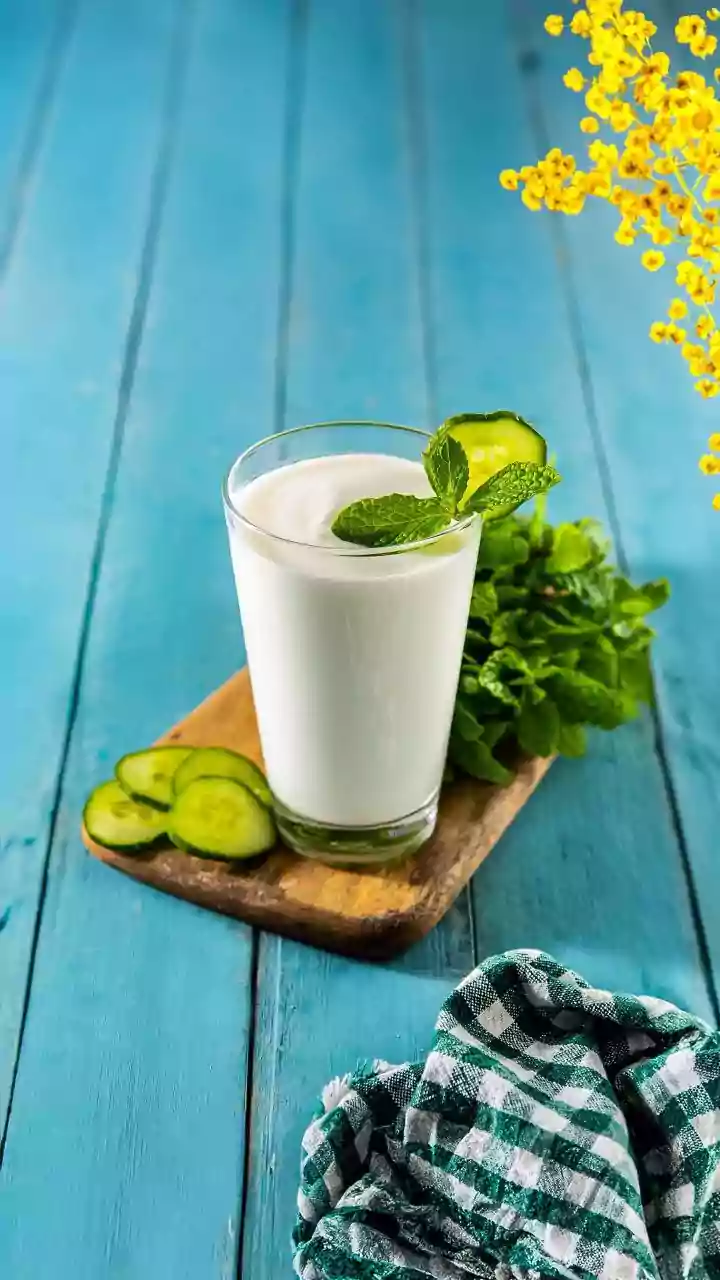
Long before refrigeration, fermentation was a cornerstone of Indian cooking, used to preserve food, enhance flavor, and make nutrients more bioavailable. This practice created a culinary landscape rich in natural probiotics. Think of the South Indian staples, idli and dosa. Both are made from a fermented batter of rice and lentils, a process that breaks down the grains, making them easier to digest while creating a distinctive tangy flavor. Consider homemade yogurt, or 'dahi,' a daily staple in millions of households, teeming with live cultures. Or 'kanji,' a fermented North Indian drink made from black carrots, beets, and spices, which is essentially a savory, probiotic tonic enjoyed for generations. Even pickles, or 'achaar,' were traditionally made through lacto-fermentation, a process that cultivates beneficial bacteria rather than just preserving with vinegar and heat.
When Science Meets Grandma's Kitchen
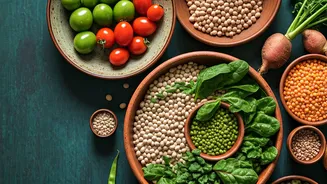
What your Indian grandmother might have called "good for the stomach" is now being validated by modern science. The gut microbiome—the complex ecosystem of trillions of bacteria in our digestive tract—is now understood to be critical for everything from immunity and digestion to mental health. The foods at the heart of this Indian food movement are naturally rich in what this ecosystem needs to thrive. The fermented dishes provide probiotics (beneficial bacteria), while the abundant use of lentils, vegetables, and whole grains delivers prebiotics (the fiber that feeds those bacteria). Spices like ginger, cumin, and fennel, long used as digestive aids in Ayurvedic tradition, are also being studied for their anti-inflammatory and gut-soothing properties. This movement isn't positioned as a magic cure, but as a holistic, time-tested system for nurturing digestive wellness through delicious, everyday meals.
From Indian Homes to American Tables
This culinary renaissance is being championed by a new generation of chefs, cookbook authors, and health-conscious home cooks in India and across the diaspora, including in the United States. Indian-American food bloggers are sharing recipes for homemade dahi and fermented batters. Restaurants are moving beyond the standard curries-and-naan menu to highlight regional specialties that feature these traditional techniques. You might see a menu offering dhokla (a savory, steamed, and fermented cake from Gujarat) or a chef talking about the specific benefits of their house-made pickles. This isn't just about authenticity; it's a conscious effort to connect food to wellness, sharing a richer and more nuanced story of Indian cuisine—one that is flavorful, diverse, and inherently designed to make you feel good from the inside out.