
Beyond the Butter Chicken
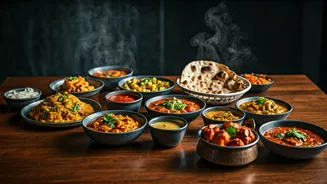
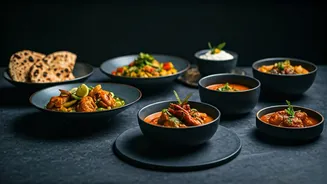
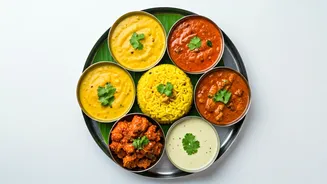
Let’s be honest: when you’ve gone out for Indian food in the past, you probably knew what to expect. The menu, whether in Minneapolis or Miami, likely featured a greatest-hits collection of creamy, tomato-based curries from the Punjab region, tandoori-fired
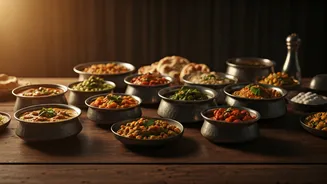
meats, and pillowy naan bread. It’s delicious, comforting, and wildly popular. But it’s also a deeply incomplete picture. Imagine if every Italian restaurant in the world only served lasagna and spaghetti with meatballs, ignoring the coastal seafood of Sicily or the polenta of the north. For years, that’s essentially been the story of Indian cuisine in the United States. Driven by the tastes of early British colonials and North Indian immigrants, a standardized, one-size-fits-all menu became the default. It was designed to be approachable and familiar, but in doing so, it flattened a subcontinent’s worth of culinary diversity into a single, recognizable brand.
The Regional Revolution
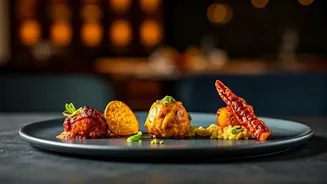
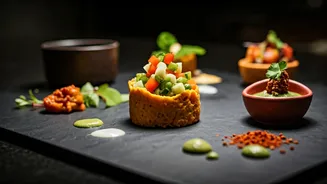
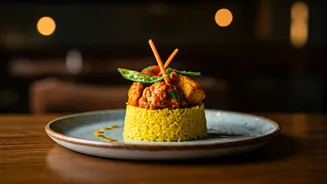
That era is officially ending. The new “flex” in the Indian food world isn’t about molecular gastronomy or over-the-top luxury. It’s about radical specificity. A wave of acclaimed U.S. restaurants is diving deep into the distinct culinary traditions of India’s 28 states and numerous territories. Instead of a menu that tries to be everything to everyone, these establishments are planting a flag for a single region, city, or even community. New York’s Michelin-starred Semma, for example, proudly serves the food of chef Vijay Kumar’s home state of Tamil Nadu, showcasing dishes like the venison shank Keralan roast, a far cry from a mild korma. Dhamaka, another NYC hotspot, champions the “unapologetic” food of India’s rural and provincial areas—the kind of dishes you’d find in a village home, not a palace. From Goan seafood shacks to Bengali mustard-laced fish curries, chefs are finally cooking the food of their childhoods, not the food they think Western diners expect.
A Declaration of Culinary Independence
So why is this happening now? It’s a perfect storm of cultural confidence, changing diner palates, and a new generation of culinary talent. Many of today’s most exciting chefs are Indian Americans or recent immigrants who grew up navigating two cultures. They are no longer content to water down their heritage for mainstream acceptance. Instead, they’re using their platforms to educate and challenge diners, asserting that the complex, funky, and intensely flavorful dishes from their homes deserve a place at the fine-dining table. This isn't just a chef-led movement; it's a response to a savvier American diner. Thanks to travel, the internet, and a broader cultural curiosity, diners are actively seeking authenticity. They don’t just want “spicy”; they want to understand the sour notes of tamarind from the south, the fermented funk of the northeast, and the delicate seafood preparations of the coasts. Serving this food, without apology, is a powerful statement. It says: “Our food is worthy on its own terms.”
What This New Menu Looks Like
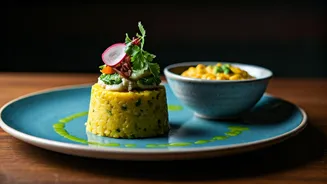
Stepping into a multi-regional Indian restaurant is an adventure. You might find a menu with no naan, but instead features a delicate, paper-thin dosa (a fermented crepe from the south) or a flaky Malabar parotta. You might see Goan vindaloo in its true form—a tangy, fiery pork dish pungent with vinegar, not just a generic spicy curry. You could encounter Macher Paturi from Bengal, where fish is slathered in a mustard paste, wrapped in banana leaves, and steamed to perfection. These dishes introduce a whole new vocabulary of flavors. Instead of a singular focus on cream and tomato, you’ll find the bracing sourness of kokum fruit, the earthy aroma of curry leaves, the sharp kick of black pepper, and the complex sweetness of jaggery. It’s a vibrant, exhilarating experience that rewrites the very definition of “Indian food” and celebrates the incredible diversity that was hiding in plain sight all along.