




The Old Rules: Chasing Peak Season
For years, travel to the Andaman and Nicobar Islands, an Indian archipelago in the Bay of Bengal, followed a simple rule: go between December and February. This is the dry season, a glorious stretch of sunny, 80-degree days with calm seas perfect for
diving and island hopping. Tour operators and guidebooks cemented these months as the undisputed 'peak season.' The logic was sound—it guaranteed the postcard-perfect weather most Western travelers were seeking. The downside, however, became just as predictable: flights and hotels sold out months in advance, prices skyrocketed, and the most famous spots, like Radhanagar Beach on Havelock Island, became crowded. Planning a trip felt less like a relaxing escape and more like a competitive sport to snag limited spots during a very narrow window.
The New Logic: Weather-First Planning
A new travel mindset is taking hold, driven by a desire for better value, fewer crowds, and a more authentic experience. Instead of just booking for Christmas break, travelers are becoming amateur meteorologists, prioritizing weather patterns over rigid holiday schedules. This 'weather-first' approach isn't about gambling on a rainy vacation; it's about making a strategic trade-off. It acknowledges that the Andamans have more to offer than just three perfect months. This shift is also a quiet acknowledgment of our changing climate, where formerly predictable seasons can surprise you. By focusing on weather, travelers are building flexibility into their plans, ready to embrace the unique beauty each season offers, rather than being disappointed when a 'perfect' day in January sees an unexpected shower.
Embracing the Shoulder Seasons
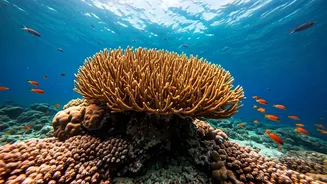
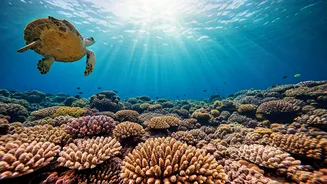
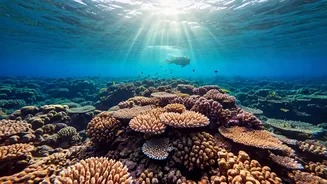
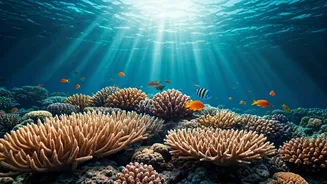
The sweet spot for the weather-first traveler is the shoulder season. These are the months that flank the peak: primarily October-November and March-April. In October and November, the southwest monsoon has just retreated, leaving behind incredibly lush, vibrant green landscapes. The air is fresh, the tourist crowds have yet to descend, and while there might be a few fleeting afternoon showers, they rarely disrupt an entire day's plans. Prices are lower and availability is higher. Similarly, March and April offer much of the dry season's sunny appeal but with thinning crowds as the peak window closes. The water is often exceptionally clear and warm, making it a prime time for snorkelers and divers who want the reefs more to themselves. It’s the best of both worlds: great weather odds without the peak-season pandemonium.
Rethinking the Monsoon
Perhaps the most radical expression of weather-first travel is the growing interest in the monsoon season itself (roughly May to September). Previously considered a total write-off for tourism, a niche group of travelers is now seeing its unique appeal. During these months, the islands transform. The forests are at their most majestic, waterfalls are thunderous, and the clouds create dramatic, moody skyscapes. It’s a photographer’s dream. More practically, it's the cheapest time to visit by a wide margin, with hotels offering deep discounts. While ferry schedules can be unreliable and diving is off the table due to rough seas, it’s a perfect time for travelers seeking solitude, relaxation, and a connection with nature. For those whose ideal vacation is curling up with a book and listening to the rain fall on a tropical forest, the monsoon is not a bug; it’s a feature.