
The Promise of a Globalized Plate
Just a decade ago, the narrative seemed straightforward. As India’s economy boomed, a new urban middle class emerged, armed with disposable income and exposure to global trends. With this came Western health anxieties and their supposed solutions. Supermarket
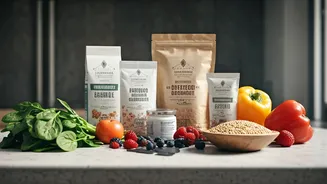
aisles began to feature products emblazoned with familiar wellness buzzwords: “low-fat,” “sugar-free,” “high-protein,” and “keto-friendly.” These labels promised a modern, scientific path to health, a shortcut to navigating the complexities of lifestyle diseases that were on the rise. For a segment of the population, adopting a diet that mirrored one seen in a Hollywood movie or promoted by a global influencer was a status symbol—a sign of being cosmopolitan and health-conscious in a fast-changing world.
A Fundamental Cultural Mismatch
But the grip of these labels proved tenuous, largely because they failed to account for the deep-seated role of food in Indian culture. In the United States, diet culture often promotes an individualistic, restrictive approach focused on tracking macros and eliminating entire food groups. This model simply doesn't map onto a culture where food is fundamentally about community, family, and celebration. Indian cuisine is incredibly diverse, regional, and tied to seasons and festivals. A meal is rarely just a collection of nutrients; it’s a shared experience. Asking someone to give up rice, ghee (clarified butter), or traditional sweets isn't just a dietary change—it’s a social and cultural sacrifice that feels unnatural and isolating to many. The concept of a quick-fix “diet” struggles to take root in a society where culinary traditions are passed down through generations.
The Resurgence of Ancient Wisdom
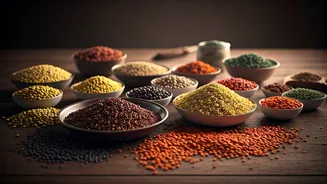
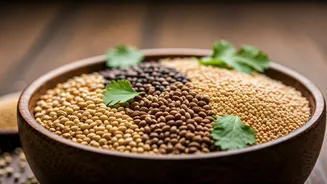
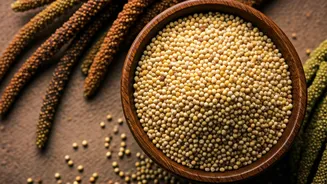
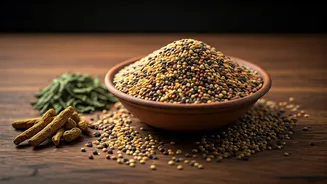
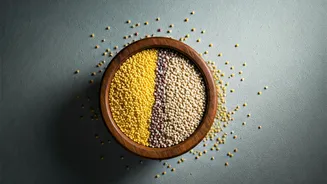
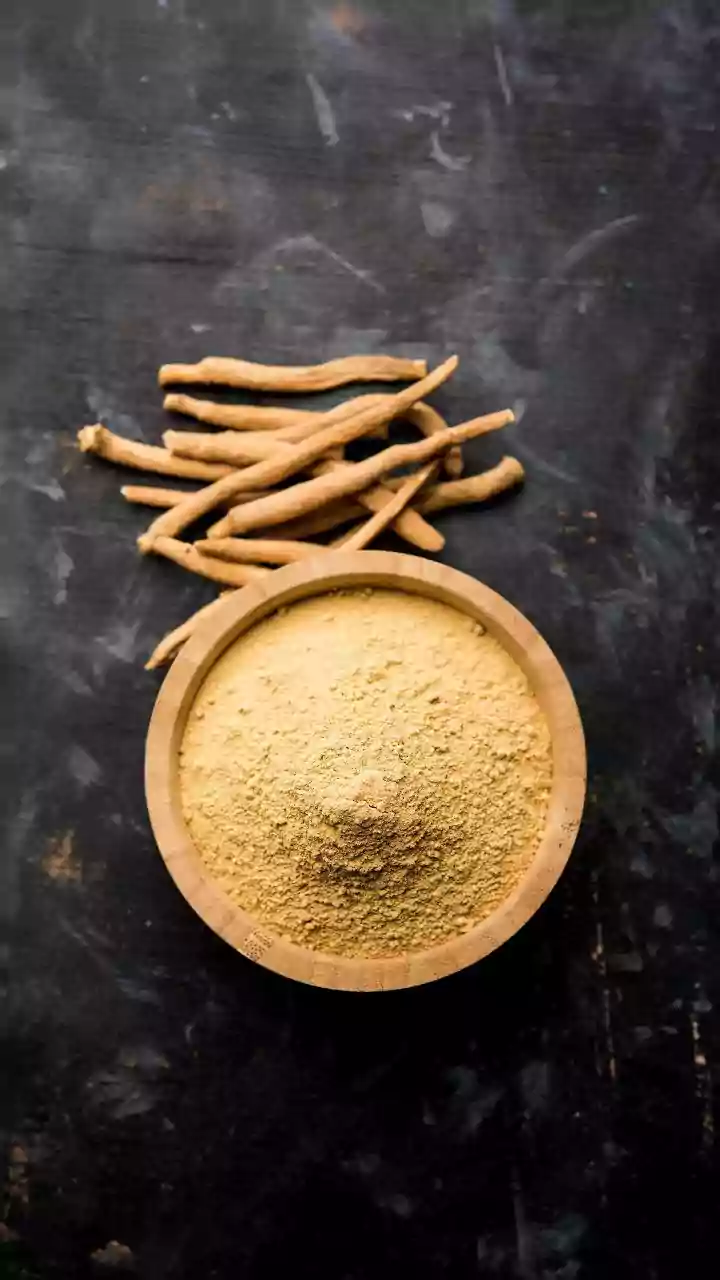
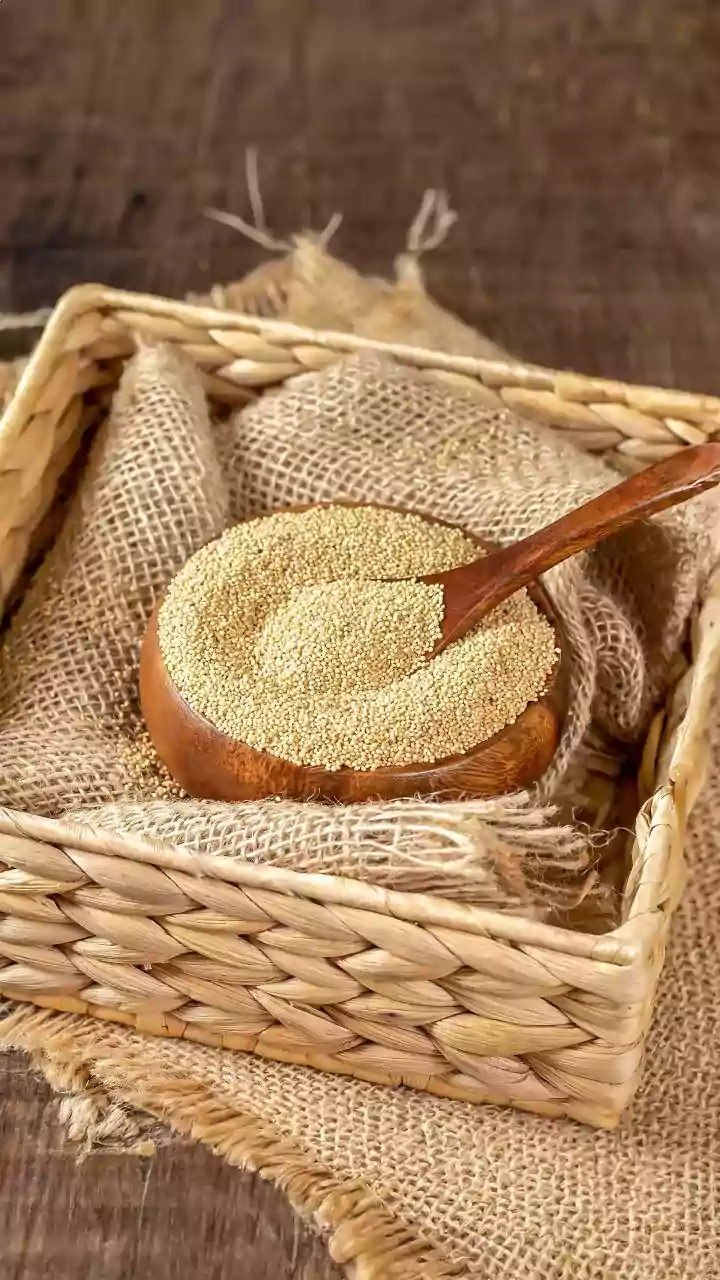
The pushback against Western diet fads has been fueled by a powerful alternative: the rediscovery and championing of India's own traditions. Rather than looking outward for answers, a growing number of Indians are looking inward—and backward. Influential nutritionists and wellness gurus have built massive followings by rejecting restrictive dieting in favor of what they call “eating like our grandmothers did.” This movement champions traditional fats like ghee and coconut oil, promotes local and seasonal produce, and celebrates ancient grains like millets, which are now being marketed as native “superfoods.” They draw on principles from Ayurveda, the ancient Indian system of medicine, which emphasizes balance, holistic health, and eating for your specific constitution rather than adhering to a one-size-fits-all diet.
From 'Diet Food' to 'Real Food'
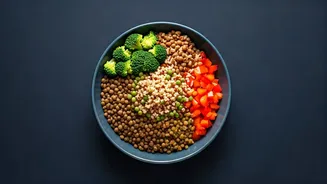
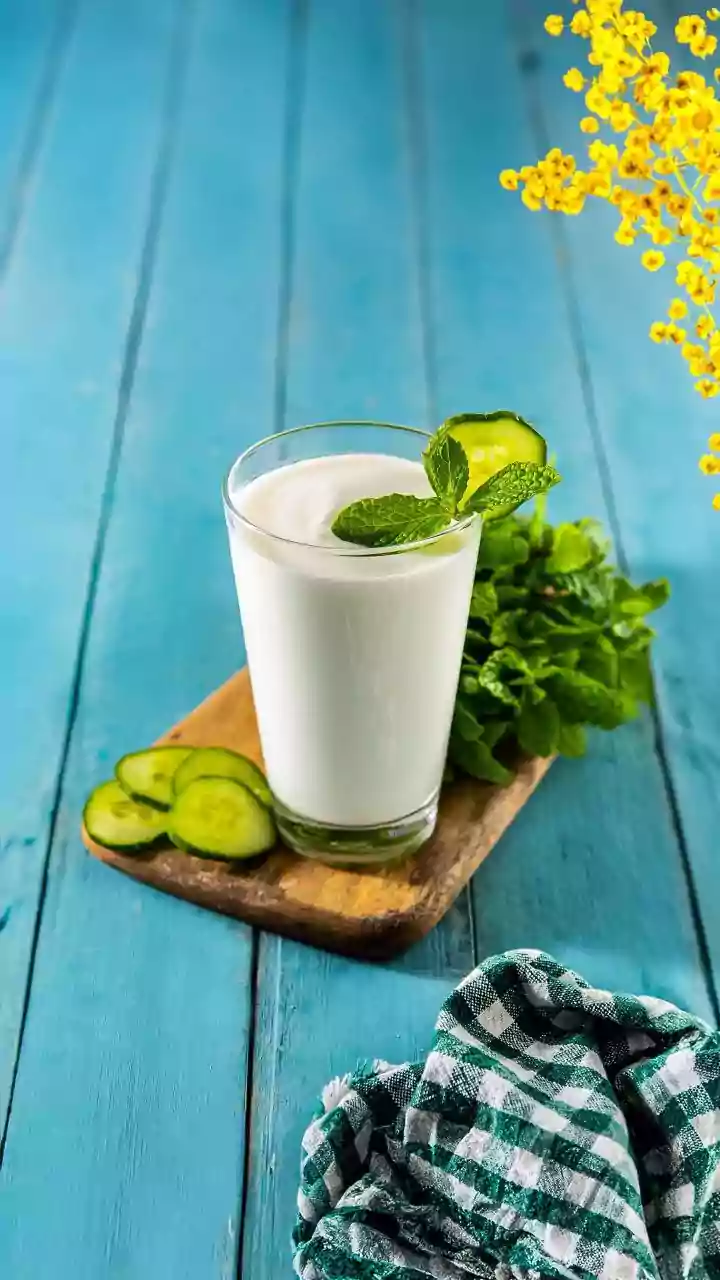
What’s emerging is a confident re-centering of Indian food identity. The new gold standard for health isn't a packaged protein bar from abroad, but a simple, home-cooked meal of dal, rice, and seasonal vegetables. It’s the understanding that turmeric has anti-inflammatory properties, that certain spice blends aid digestion, and that fermented foods like homemade yogurt are natural probiotics. This isn’t a rejection of health, but a redefinition of it on a culture's own terms. It’s a shift from the language of deprivation (“sugar-free”) to one of nourishment and common sense. This trend signals that while global brands can sell products, they can’t easily replace centuries of accumulated food wisdom. The focus is moving away from what to *exclude* and toward what wholesome, traditional foods to *include*.