


The Passport Power Gap
To understand why a visa is a 'flex,' you first have to understand the reality of traveling on an Indian passport. While Americans can breeze into 180+ countries visa-free, the story is different for Indian citizens. According to the Henley Passport Index,
which ranks global passport power, India typically hovers in the 80s, offering visa-free or visa-on-arrival access to around 60 countries. While that list includes beautiful destinations like Thailand, Mauritius, and Indonesia, it noticeably excludes the U.S., Canada, the U.K., and Europe’s coveted Schengen Area. For an Indian national, planning a trip to Paris or New York isn't about booking a flight and hotel. It’s a meticulous, often months-long process involving extensive paperwork, proof of financial stability, detailed itineraries, and a nerve-wracking embassy appointment. A denial can come without a clear reason, derailing expensive plans. This bureaucratic gauntlet makes the freedom of movement that many Westerners take for granted a hard-won prize.
From Nuisance to Status Symbol
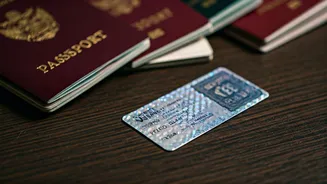
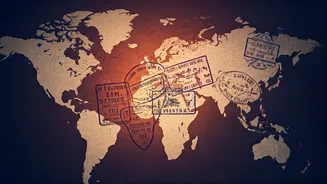
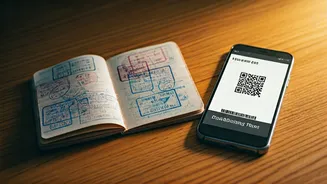
This is where the 'flex' comes in. Instead of just a frustrating hurdle, navigating this complex system has become a source of pride and social currency. On social media, you won’t just see photos of the Eiffel Tower; you'll see the carefully framed shot of the passport page with the Schengen visa sticker itself. A 10-year U.S. tourist visa isn't just a travel document; it’s a badge of honor, signaling that you’ve been vetted and deemed a trustworthy global citizen by one of the world's most stringent authorities. This trend is about showcasing more than just wealth. It signifies worldliness, meticulous planning, and the ability to operate on a global stage. It says, “I have the resources, the clean record, and the sophistication to clear these high bars.” In a culture that values achievement, successfully acquiring a portfolio of powerful visas is the modern equivalent of being accepted into an exclusive club.
The Rise of the Visa Strategist
This has given rise to a new kind of traveler: the visa strategist. These aren't just vacationers; they are connoisseurs of immigration policy. They plan trips not just based on destinations, but on visa arbitrage. For example, a traveler might use a long-term U.S. visa to gain simplified entry into countries like Mexico or parts of the Caribbean. They build a 'travel resume,' starting with easier visas to establish a history of compliance, which then strengthens their applications for more difficult ones. Conversations in affluent circles in Mumbai or Bangalore might revolve around the fastest way to get a Schengen appointment or the subtle art of compiling the perfect document package. Travel bragging rights are no longer just about where you went, but how you got there. Did you get a five-year Canadian visa on your first try? Did you manage to visit three continents in a year by strategically 'visa-hopping'? This is the new language of aspirational travel.
A Sign of a Global Generation
Ultimately, this trend is a powerful reflection of a changing India. As the nation's economy has grown, so have the ambitions of its citizens. A new generation of professionals, entrepreneurs, and creators sees themselves as global players, not just tourists. They want to attend conferences in Berlin, take art courses in Florence, and do business in Silicon Valley. The desire for seamless travel isn’t just for leisure; it’s about accessing a world of opportunity. The visa flex, then, is a quiet rebellion against a system that often feels arbitrary and unequal. It's a way of reclaiming agency and demonstrating that ambition can, with enough strategy and persistence, overcome bureaucratic walls. It's a status symbol born not from privilege alone, but from the ingenuity required to navigate an imbalanced world.