






From Solo Hobby to Shared Ritual
Not long ago, the image of a plant parent was a millennial tending to a fiddle-leaf fig in a stylish urban apartment. It was an individual pursuit, a way to bring nature indoors and personalize a space. But the cultural shifts of the past few years have
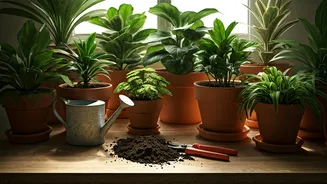
changed everything. Forced indoors and seeking screen-free activities, families began to see the humble houseplant in a new light. What started as a parent's hobby to de-stress quickly caught the attention of curious kids and even spouses who had never touched a trowel. Suddenly, watering day wasn't a solitary chore; it was a group activity. The act of repotting a snake plant became a team-building exercise, and the excitement over a new leaf unfurling on the Monstera was a shared victory. This isn't just about aesthetics anymore; it's about participation. The family that prunes together, stays together.
A Green Classroom for All Ages
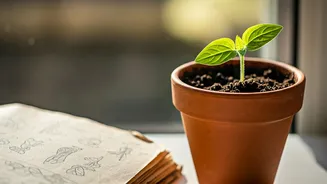
For children, a home filled with thriving plants becomes a living science lab. The experience offers tangible, hands-on lessons that a textbook or tablet can’t replicate. It teaches responsibility in its purest form: this living thing depends on you for water, light, and care. It fosters patience, as children learn that growth—whether it’s a new sprout or a blooming flower—takes time. They learn about life cycles, photosynthesis, and the delicate balance of an ecosystem right in their living room. For older kids and teens, it can be a gateway to understanding environmental stewardship. But the education isn't just for the young. Parents are learning, too. They’re researching the specific needs of a calathea, diagnosing why a succulent is struggling, and discovering a newfound confidence in their ability to nurture. This shared learning process levels the playing field, allowing parents and children to be curious students together.
The Ultimate Mindfulness Practice
In our hyper-connected, always-on world, indoor plant care offers a powerful antidote: mindfulness. The term “wellness” is attached to the trend for a reason. The simple, repetitive tasks—wiping down leaves, checking soil moisture, rotating pots for even sunlight—are inherently meditative. They require you to slow down, pay attention, and engage your senses. You can’t rush a plant. This enforced slowness is profoundly calming for the nervous system, reducing stress and anxiety for both adults and children. It’s a tangible way to disconnect from digital distractions and reconnect with the physical world. For a family, dedicating 15 minutes to “plant time” can be more restorative than any other activity. It’s a quiet space where conversations can flow naturally, unburdened by the pressure of direct eye contact, as hands are busy with soil and leaves.
Rooted in Deeper Connection
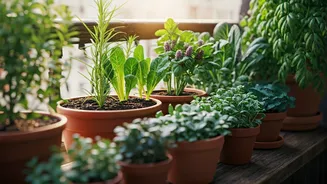
Ultimately, the reason this trend has such staying power is that it strengthens family bonds. It creates a shared project with a clear, positive goal: helping something grow. Families are creating new traditions, like “Watering Wednesdays” or the annual spring repotting party. They are problem-solving together when a plant gets spider mites, celebrating when a propagated cutting finally grows roots, and even mourning a plant that couldn’t be saved. These small moments are the building blocks of strong relationships. The plants become a part of the family’s story, their growth mirroring the family’s own. A pothos cutting taken from a grandparent’s home links generations. A plant purchased to celebrate a milestone becomes a living monument to that memory. In nurturing their indoor jungle, families are doing something far more important: they are nurturing each other.