



More Than Just a Garnish
Forget the sad, stale croutons of yesteryear. The new obsession with crunch in professional kitchens is a deliberate, sophisticated art form. We’re talking about ‘high crunch snackification,’ a twofold trend that’s changing the way we eat. First, ‘snackification’
refers to the transformation of traditional meal concepts into smaller, more casual, snack-like formats. Think of a deconstructed dish where every element is an irresistible, self-contained bite. Second, ‘high crunch’ describes the goal: achieving a supreme level of texture that provides an audible, deeply satisfying crackle. This isn't just about frying; it's a science. Chefs are using everything from advanced dehydration techniques to exotic grains to introduce a layer of sensory excitement that elevates a dish from good to unforgettable. This textural component is no longer an afterthought—it’s often the star of the show.
The Arsenal of Crunch
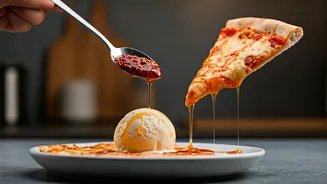
So what does this look like on a plate? The tools of the trade are as innovative as they are delicious. Chili crisp is perhaps the poster child of the movement, a condiment that has exploded from niche Asian markets into mainstream American pantries and high-end restaurant kitchens. It delivers heat, umami, and, most importantly, a non-stop crunchy texture from fried chili flakes, soybeans, and garlic. Beyond that, chefs are puffing ancient grains like sorghum and quinoa, creating tiny, caviar-like pops of crispiness to sprinkle over salads, soups, and proteins. Freeze-dried ingredients, once the sole domain of astronaut food, are making a huge comeback. Imagine freeze-dried corn or peas rehydrated in a savory sauce, retaining their pop and sweetness. You’ll also find crispy chicken or salmon skin served as ‘chicharrones,’ fried shallots piled high on noodle dishes, and toasted breadcrumbs supercharged with herbs and spices, all designed to make you stop and say, ‘Wow, what was that crunch?’
Why We Crave the Crackle
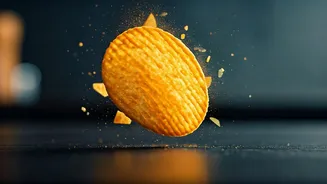
Our love for crunchy food is primal. Psychologically, the sound food makes is a powerful signal to our brains. A loud crunch often signifies freshness and quality—think of a crisp apple or a perfectly fried potato chip. It creates a dynamic contrast to softer elements in a dish, preventing palate fatigue and making each bite more interesting. Researchers have even found that we perceive crunchy foods as more enjoyable, a phenomenon sometimes called ‘the music of mastication.’ In the age of social media, this sensory experience has found a new stage. The ASMR (Autonomous Sensory Meridian Response) community has long known the hypnotic appeal of crisp sounds, and food is a major part of it. A dish that audibly crunches isn’t just delicious—it’s content. It’s a shareable, multi-sensory experience that plays perfectly on platforms like TikTok and Instagram, where the sizzle and crackle are as important as the visual presentation.
From Chef’s Counter to Your Kitchen
Like many culinary trends, high crunch started in the incubator of fine dining, where chefs have the time and resources to experiment. But it’s rapidly trickling down. The explosive popularity of brands like Fly By Jing and Momofuku Chili Crunch proves that consumers are eager to bring this textural excitement into their own homes. Supermarket aisles are now stocked with crunchy toppings that go beyond bacon bits, including bags of fried onions and shallots, seasoned pepitas, and various seed mixes. The core idea—that a final sprinkle of something crispy can radically improve a meal—is easy to adopt. It’s a simple way for home cooks to add a chef-level touch to a weeknight dinner, whether it’s topping a bowl of mac and cheese with spicy breadcrumbs or adding a spoonful of chili crisp to a morning egg. This trend empowers everyone to think more like a chef, considering not just flavor, but texture, too.