








1. Stop Fighting the Rain, Start Packing For It
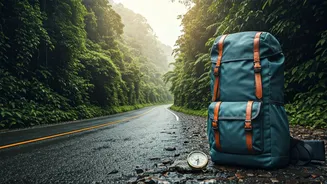
The old strategy was to hope for the best and pack a flimsy travel umbrella. The new strategy is to assume it will rain and dress for the occasion. This doesn't mean hauling a heavy-duty raincoat everywhere. Instead, think in layers and quick-drying materials.
Invest in a lightweight, truly waterproof, and breathable jacket. Forget denim, which becomes heavy and takes forever to dry. Opt for synthetic fabrics or merino wool. Most importantly, your footwear needs an upgrade. Waterproof trail runners or sturdy, comfortable sandals with good grip (not cheap flip-flops) are essential for navigating slick city streets and muddy paths. By preparing for the water, you stop seeing it as an obstacle and start seeing it as part of the atmosphere.
2. Ditch the Beach for the Highlands
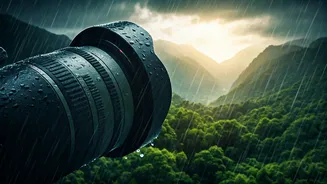
Many dream destinations, especially in Southeast Asia, are famous for their beaches. But during a monsoon, coastal areas can be plagued by rough seas, closed ferry services, and strong winds. The new strategy involves shifting your geographic focus. This is the perfect time to explore inland regions and highlands. The rain transforms mountains and forests into impossibly lush, emerald-green landscapes shrouded in mist. Think of places like the tea plantations of Munnar in India, the highlands of Northern Thailand, or Costa Rica's Monteverde Cloud Forest. The air is fresh, the scenery is dramatic, and the experience feels more intimate and adventurous than a crowded beach ever could.
3. Embrace a Slower, Deeper Itinerary
Trying to cram five cities into a seven-day monsoon trip is a recipe for disaster. The weather is unpredictable, and transportation—from local buses to regional flights—is more prone to delays and cancellations. A smarter strategy is to slow down. Instead of hopping between locations, choose one or two primary bases and explore them deeply. Build buffer days into your schedule. If a road is flooded or a train is delayed, it becomes a minor inconvenience, not a trip-ruining catastrophe. This slower pace allows you to discover hidden cafes, spend an afternoon in a local museum, or simply sit on a covered veranda and watch the storm roll in. You trade a frantic checklist for a genuine sense of place.
4. Lean Into the Off-Season Perks
One of the most compelling reasons to travel during the monsoon is that it’s often the off-season. The strategic traveler leverages this. Tourist hotspots that are overwhelmingly crowded during peak season become quiet, calm, and accessible. You won’t be fighting for a photo op at a famous temple or waiting in a long line for a popular restaurant. Accommodation and even some flights are significantly cheaper, allowing your budget to stretch further. You might get a room with a better view or be able to afford a boutique hotel that would normally be out of reach. It’s a more local experience; the people you see are the ones who live there, not just other tourists.
5. Make Flexibility Your Golden Rule
A rigid plan is the enemy of a successful monsoon trip. While you should have a general outline, you must be willing to adapt. Check local weather reports daily, not just for rain but for specific warnings about landslides or flooding, especially if you're in a mountainous or rural area. Have a backup plan. If your planned trek is a washout, what’s a great indoor activity nearby? Maybe it’s a cooking class, a local market, or a spa. Booking accommodations that offer flexible cancellation policies is also a wise move. This mindset shift—from rigid execution to fluid adaptation—is the most important tool in your kit. The goal is to enjoy the trip you *get*, not to be disappointed by the one you imagined.