




An Archipelago Beyond the Postcard
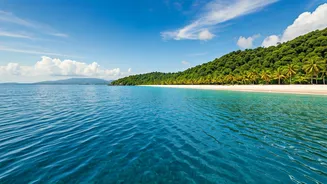
For most Americans, India’s Andaman and Nicobar Islands are a far-flung dream, a sprinkle of over 500 islands in the Bay of Bengal known for pristine white beaches and dense tropical forests. They are a remote paradise, geographically closer to Myanmar
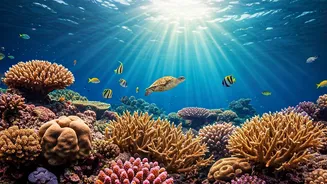
and Thailand than to the Indian mainland. And while the views from your beach hut on Havelock Island (now Swaraj Dweep) are spectacular, the true soul of the Andamans isn’t on the sand; it’s submerged just offshore. Anyone can appreciate the warm, clear water and the kaleidoscope of colorful fish. But to truly connect with this place, you have to listen to its underwater stories. It’s the difference between visiting an art gallery and having the artist whisper the inspiration for each piece in your ear.
The Tale of the Resilient Reefs
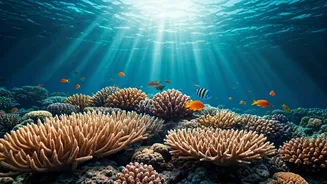
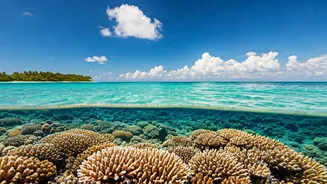
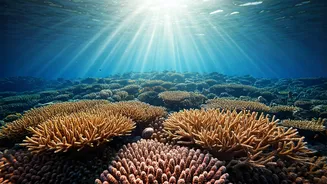
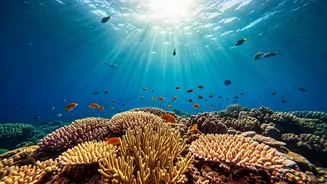
One of the most powerful stories is one of survival. In 2004, a devastating tsunami swept across the Indian Ocean, and the Andamans were directly in its path. The event reshaped coastlines and profoundly impacted the delicate coral ecosystems. For a time, it was feared that this underwater wonderland was lost. But descending into the waters today tells a different tale. While scars remain, the dominant narrative is one of astonishing resilience. At sites like Mac Point, you can witness vast fields of hard coral that withstood the ocean’s fury. In other areas, you see new, vibrant life colonizing old, broken structures. Swimming through these gardens is a lesson in nature’s tenacity. You’re not just seeing coral; you’re witnessing the quiet, decades-long process of a world rebuilding itself, a story of hope written in polyps and algae.
Whispers from a Sunken World
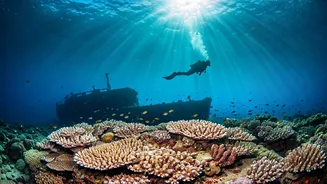
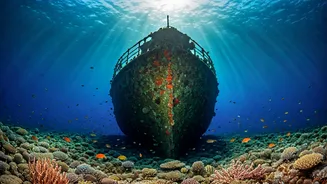
The Andamans are a key maritime route, and history rests on the seafloor. For a truly unforgettable narrative, you can dive to a shipwreck. Near Havelock Island lies the SS Inchket, a cargo ship that sank in the 1950s after hitting a rock. Today, it’s a hauntingly beautiful underwater museum. As you descend, the ship's ghostly silhouette slowly materializes from the blue haze. Its decaying hull, once a symbol of commerce and human industry, has been completely surrendered to the ocean. Schools of glassfish now pulse in its empty cargo holds, and giant groupers patrol its decks like silent guards. Every rusted porthole and barnacle-encrusted railing tells a story of time, decay, and transformation. You’re swimming through a moment frozen in the past, now bursting with a different kind of life.
A Secret World Awakens at Night
Perhaps the most magical story is the one that unfolds after sunset. A night dive in the Andamans is like stepping into another dimension. Armed with only a flashlight, you plunge into the inky blackness. The familiar reefs of the day are gone, replaced by a theater of the strange and wonderful. Your light beam catches a lionfish, unfurling its venomous spines as it hunts in the dark. You might spot sleeping parrotfish cocooned in their self-made mucus bubbles for protection. The real magic, however, happens when you turn your light off. Wave your hands, and the water explodes in a shower of bioluminescent plankton—tiny organisms creating their own cold, green light. It’s a silent, sparkling universe that exists every night, a secret story only revealed to those willing to brave the dark.