







Beyond Nutrition: The Functional Food Boom
So, what exactly makes an ingredient “functional”? The term refers to foods and ingredients that offer health benefits beyond basic nutrition. Think of it as food with a job. While an orange provides Vitamin C (basic nutrition), a functional ingredient like
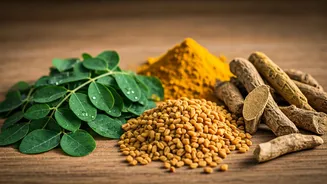
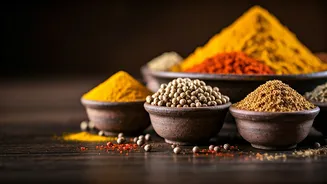
turmeric contains curcumin, a compound studied for its anti-inflammatory properties. This movement is about harnessing the inherent power of what we eat to support specific wellness goals, whether it’s boosting brain function, reducing stress, or improving gut health. These ingredients often fall into categories like adaptogens (which help the body manage stress), nootropics (which support cognitive function), and anti-inflammatories. For years, they were confined to the supplement aisle. Now, they're becoming legitimate culinary ingredients.
Why Now? The Kitchen as a Wellness Hub
Several cultural currents are feeding this trend. The pandemic amplified our focus on proactive health, leading many to explore how diet could strengthen immunity and resilience. At the same time, a growing distrust of opaque wellness industry claims has pushed people toward whole, recognizable ingredients they can control themselves. Instead of buying a pricey pre-made 'wellness shot,' a home cook can blend their own with fresh ginger, turmeric, and black pepper. Social media platforms like TikTok and Instagram have also played a huge role, popularizing everything from 'golden milk' lattes to mushroom-infused coffee. This isn't just about health; it's about empowerment. Cooking with functional ingredients gives people a tangible way to take charge of their well-being, one meal at a time.
The Classics: Turmeric and Ginger
If you're just dipping your toe into functional cooking, these are your starting point. Turmeric and ginger are ancient spices celebrated for their potent anti-inflammatory properties. Turmeric’s active compound, curcumin, is famously activated by piperine in black pepper, which is why you’ll often see them paired in recipes. Ginger is a go-to for digestive support and nausea relief. They’re also incredibly versatile. You can grate fresh ginger and turmeric root into stir-fries, soups, and marinades. The powdered versions are perfect for whipping up a soothing 'golden milk' latte with plant-based milk and a pinch of cinnamon, or simply adding a dash to your morning smoothie for a gentle, warming kick.
The Newcomers: Adaptogenic Mushrooms
Don't picture portobellos in your coffee. We’re talking about medicinal mushrooms like Lion's Mane, Reishi, and Chaga, typically sold as powders or tinctures. These are prized as adaptogens, believed to help the body adapt to and resist physical, chemical, and biological stress. Lion's Mane is gaining notoriety as a nootropic for its potential to support focus and cognitive health, making it a popular addition to morning coffee or tea. Reishi is often called the 'mushroom of calm' and is used in evening beverages to promote relaxation. While their earthy flavors can be strong, they blend surprisingly well into coffee, hot cocoa, hearty soups, and even savory oatmeal, adding a layer of complex, umami-rich flavor along with their purported benefits.
The Powders: Collagen and Ashwagandha
The easiest way to hop on the functional trend is with unflavored powders that can be stirred into almost anything. Collagen peptides, derived from animal sources, have exploded in popularity for their purported benefits for skin, hair, nails, and joint health. Because high-quality versions are virtually tasteless and dissolve easily in hot or cold liquids, people are adding scoops to their morning coffee, tea, smoothies, and even oatmeal. Meanwhile, Ashwagandha, an ancient herb from Ayurvedic medicine, is another powerful adaptogen used to combat stress and anxiety. Its powder has a slightly bitter, earthy taste that can be mellowed in smoothies with fruit and nut butter or in 'moon milk'—a warm, spiced milk drink designed to be consumed before bed.