


The Evolution of an Idea
For years, minimalism meant stark white walls, bare surfaces, and a near-monastic rejection of possessions. While the 'less is more' philosophy helped many declutter, it often left homes feeling cold, impersonal, and difficult to live in. One spill on the concrete
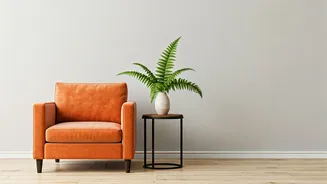
floor, one toy left out of place, and the entire illusion would shatter. Warm minimalism is the natural, more human-centered evolution of this trend. It keeps the best parts of minimalism—intentionality, lack of clutter, and a focus on quality—but swaps the coldness for coziness. It argues that a home can be both simple and soulful, serene and full of personality. The goal is no longer just to own less, but to ensure that what you do own truly matters.
Embrace Rich, Natural Textures
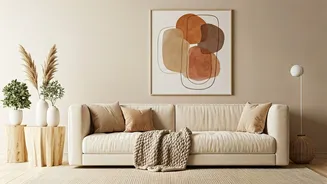
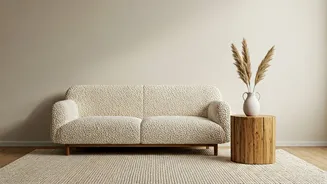
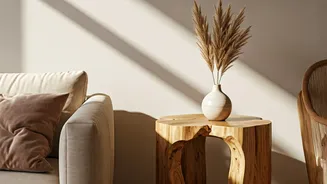
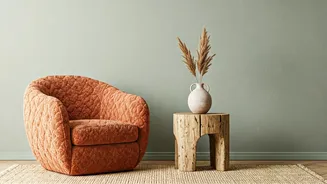
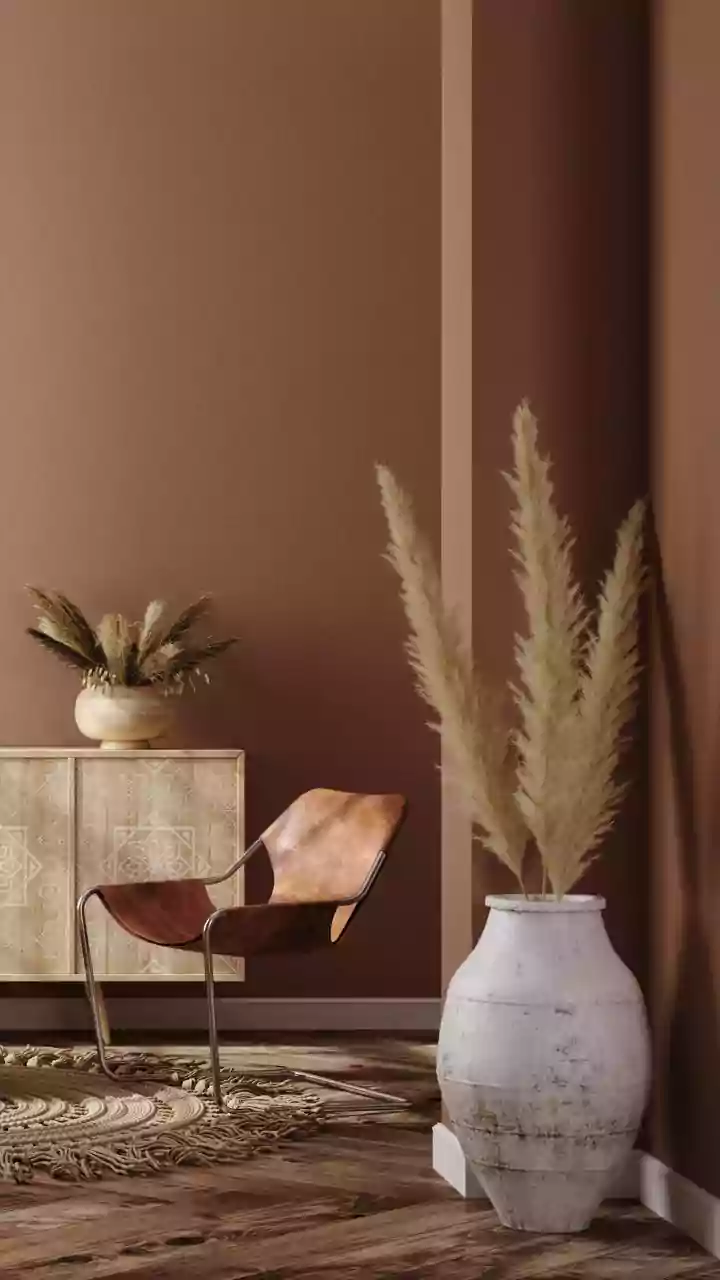
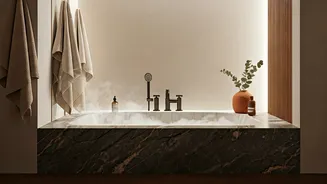
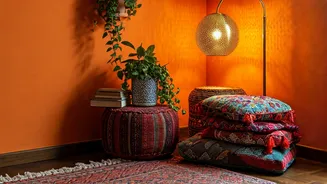
The fastest way to inject warmth into a minimalist space is through texture. This is where warm minimalism truly distinguishes itself from its colder predecessor. Instead of smooth, glossy surfaces, think about materials that invite touch. Drape a chunky wool throw over a sofa, lay down a jute or sisal rug to ground the room, and trade polyester curtains for soft, flowing linen ones. Natural wood is a cornerstone of this look; look for pieces with visible grain and a matte or oil finish rather than a high-gloss lacquer. Stone, rattan, and ceramics also play a vital role, adding layers of visual interest and tactile richness without contributing to clutter. The interplay of these different textures creates a sophisticated, multi-sensory experience that feels both curated and comfortable.
Soften Your Color Palette
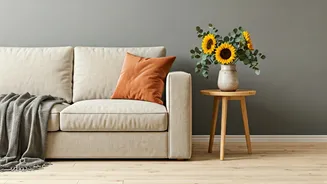
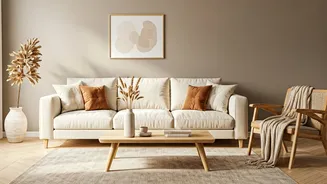
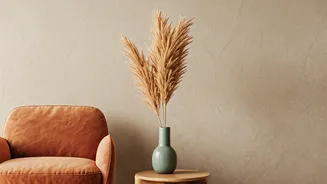
Forget optic white. The warm minimalist palette is built on a foundation of soft, earthy neutrals. Think creamy off-whites, warm beiges, mushroom grays, and muted earth tones like terracotta, olive green, and dusty rose. These colors create a calming, cohesive backdrop that feels much more welcoming than stark white. The key is to layer different tones from the same family to create depth and sophistication. For example, a living room might feature walls in a soft cream, a sofa in a slightly darker oatmeal, and cushions in a warm taupe. This tonal approach keeps the space feeling open and airy, just like traditional minimalism, but replaces the clinical feel with a gentle, enveloping warmth.
Curate, Don't Just Declutter
This is the 'soulful' part of the equation. While traditional minimalism focused on what to remove, warm minimalism is about what you choose to keep. Every object in your home should earn its place by being either beautiful, useful, or deeply meaningful. Instead of a shelf crowded with knick-knacks, display a single, sculptural vase that you love. Instead of a stack of generic coffee table books, feature a few that reflect your passions. This approach encourages you to surround yourself with your own story—a piece of art from a memorable trip, a ceramic bowl made by a local artist, a well-loved armchair passed down through your family. These curated items transform a house from a simple living space into a personal sanctuary that truly reflects who you are.
Focus on Softer, Layered Lighting
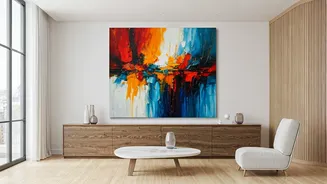
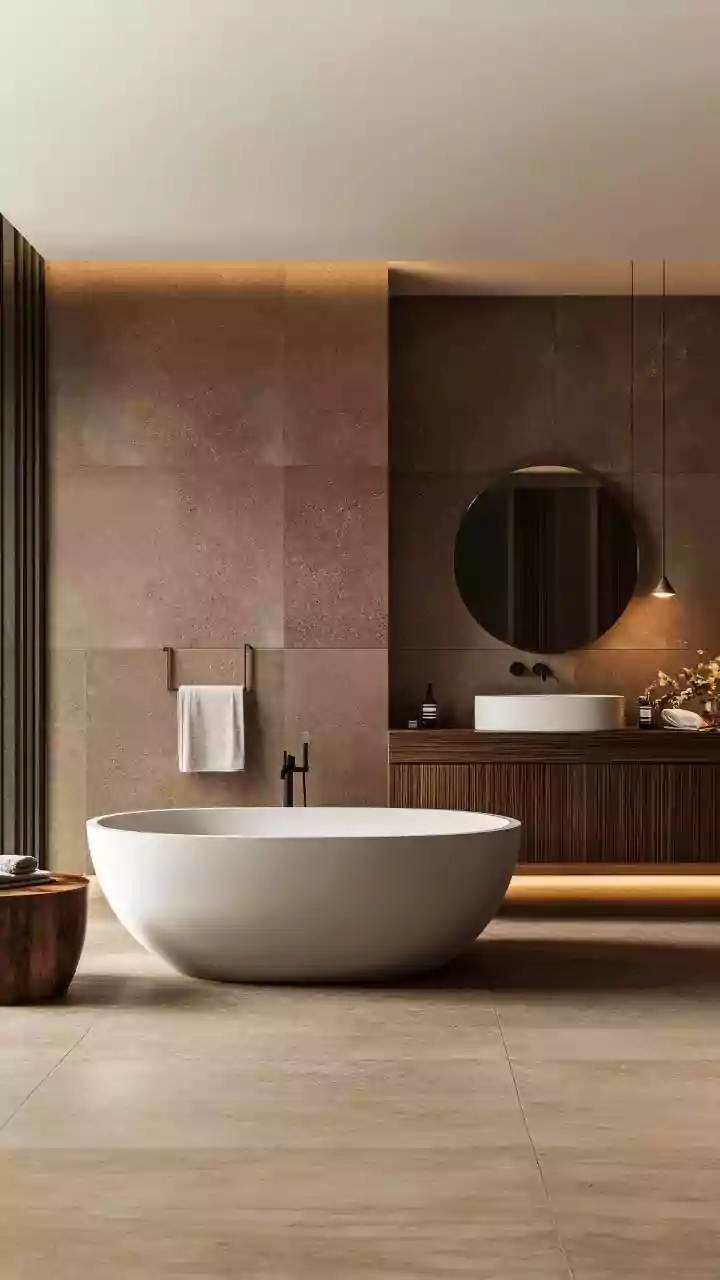
Harsh, overhead lighting is the enemy of a warm and inviting space. Achieving the right ambiance requires a layered lighting strategy. Start by maximizing natural light wherever possible with sheer curtains or unadorned windows. For artificial light, think in three layers: ambient (the main source of light, like a ceiling fixture with a dimmer), task (focused light for activities like reading, such as a floor lamp), and accent (light that highlights features, like a picture light over artwork). Crucially, opt for warm-toned LED bulbs (around 2700K) to cast a soft, golden glow that mimics candlelight. Adding floor lamps, table lamps, and even actual candles creates pools of intimate light that make a room feel instantly cozier and more dynamic.