


1. The Water-Dweller: Simple Hydroponics
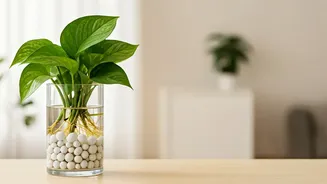
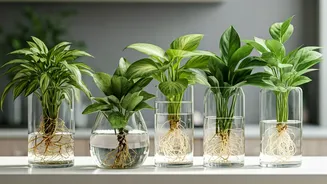
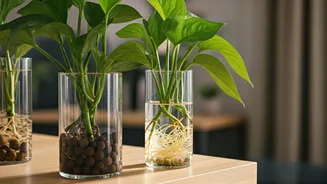
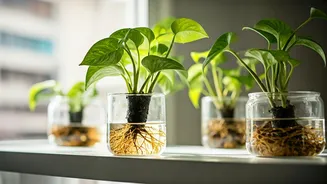
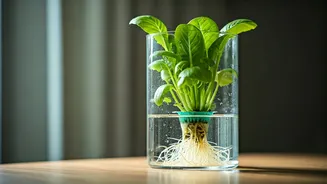
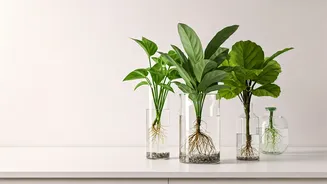
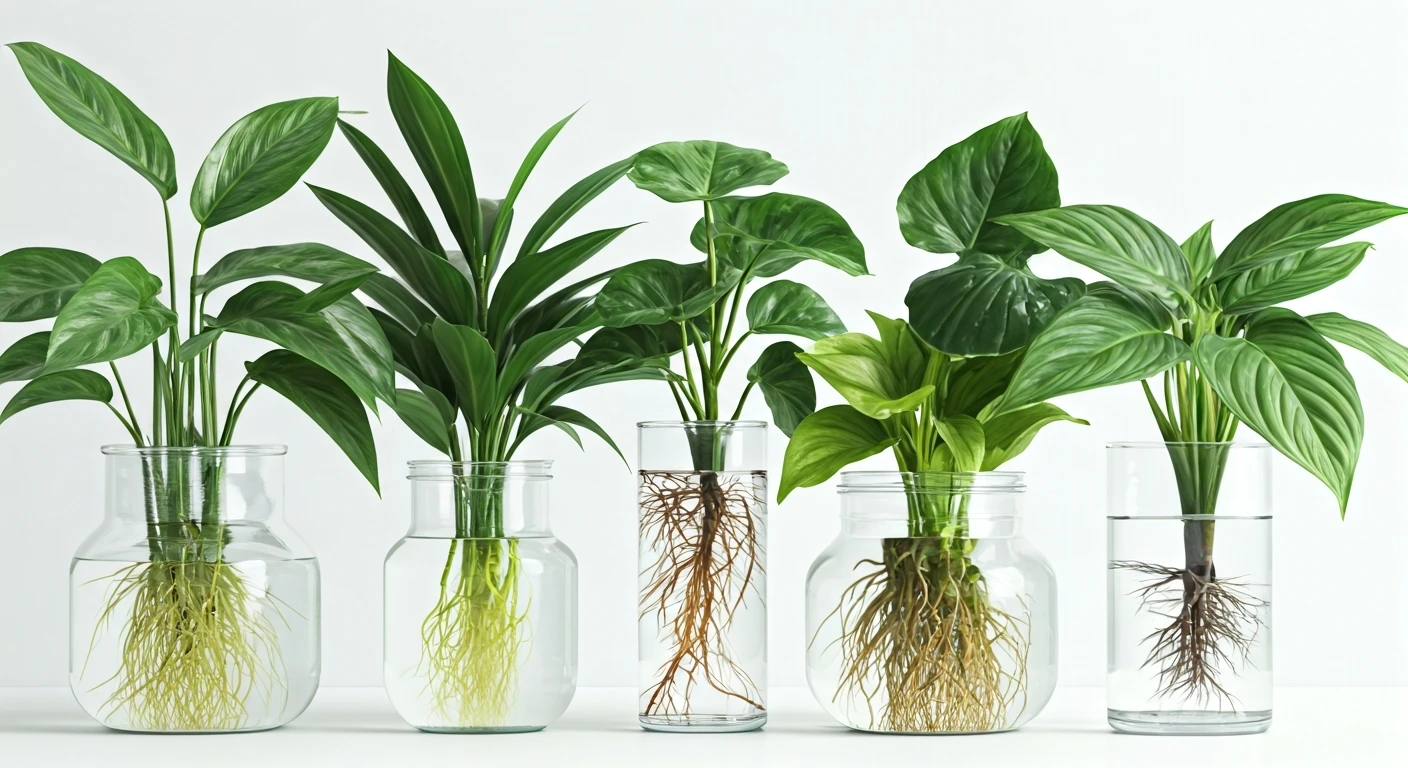
The easiest entry into soilless gardening is growing plants directly in water. This isn’t some complicated science experiment; it’s a beautifully simple method that showcases not just the leaves, but the elegant root system as well. All you need is a clear
glass vase, jar, or bottle, some fresh water, and the right plant cutting. This method eliminates soil-borne pests like fungus gnats and makes watering foolproof—just top it off when it gets low. The minimalist aesthetic is perfect for modern, clean-lined apartment decor. **Best Plants for Water:** Golden Pothos, Philodendron, Spider Plant, and Lucky Bamboo are all fantastic candidates. They root easily and can live in water for years. **How to Do It:** Take a healthy cutting from a mother plant, ensuring it has at least one node (the little bump on the stem where leaves grow). Place it in your vessel with room-temperature water, making sure the node is submerged but the leaves are not. Change the water every week or two to keep it fresh and add a very diluted liquid fertilizer once a month to provide essential nutrients.
2. The Clay Ball Method: LECA Lovers
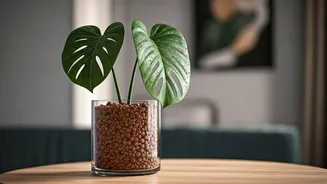
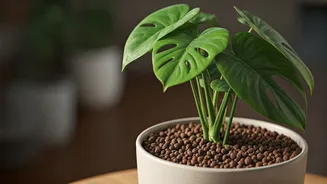
LECA, which stands for Lightweight Expanded Clay Aggregate, is the star of a popular technique called semi-hydroponics. These little reddish-brown clay balls look like oversized cocoa puffs and are a fantastic replacement for soil. They absorb water and release it to the plant’s roots as needed, which dramatically reduces the risk of overwatering—a common killer of houseplants. Because LECA is a sterile, inorganic medium, it won't harbor pests or break down into a sludgy mess. It provides excellent aeration for the roots, promoting healthy, robust growth in a tidy, contained system. **Best Plants for LECA:** Many common houseplants can be transferred to LECA, including Snake Plants, ZZ Plants, Monsteras, and most aroids. **How to Do It:** Start by thoroughly rinsing the LECA balls. Carefully clean all the soil from your plant’s roots—this is the most important step. Place a layer of LECA in a pot without drainage holes, position the plant, and fill the rest of the pot with more LECA. Add water to fill the bottom third of the pot, creating a reservoir the clay balls will wick up to the roots. Add a hydroponic-specific nutrient solution during waterings.
3. The Air Apparent: Easy, Breezy Air Plants
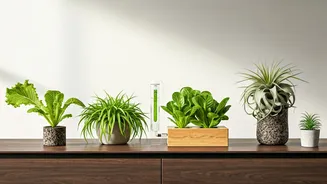
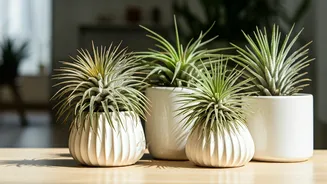
For the ultimate in low-mess, space-saving greenery, nothing beats an air plant (Tillandsia). These fascinating plants are epiphytes, meaning they grow on other plants in their native habitat and absorb moisture and nutrients through their leaves, not their roots. They have no need for soil whatsoever. This opens up a world of creative display options. You can place them in a hanging terrarium, mount them on a piece of driftwood, or simply set them on a shelf. They are the definition of a grab-and-go plant for a busy, modern lifestyle. **Best Plants for Air:** *Tillandsia ionantha* is a popular, colorful starter variety, while *Tillandsia xerographica* is a larger, statement-making plant with silvery, curling leaves. **How to Do It:** Care is incredibly simple. Give them bright, indirect light. To water, submerge the entire plant in room-temperature water for about 20-30 minutes once a week. After their bath, gently shake off any excess water and let them dry upside down in a well-ventilated spot to prevent rot.
4. A Special Mention: Marimo Moss Balls
Perhaps the most whimsical mud-free plant is the Marimo Moss Ball. Despite the name, it's not moss at all but a rare, spherical form of algae found in lakes in Japan and Northern Europe. These velvety green orbs live completely submerged in water and are exceptionally low-maintenance. They ask for almost nothing—just a container of water and some indirect light. They grow incredibly slowly, about 5 millimeters per year, making them a long-term companion. In Japanese culture, they are considered a national treasure and a symbol of good luck. **Best Plants for This Method:** Only Marimo works for this, as it's a unique organism. **How to Do It:** Place your Marimo ball in a container of cool, clean water. Keep it out of direct sunlight, which can cause brown spots. Change the water every couple of weeks. To keep its round shape, you can gently roll it in your hands or let the motion of the water change do the work. It's less of a pet rock and more of a living sculpture.