




The Temple of the Bleeding Goddess
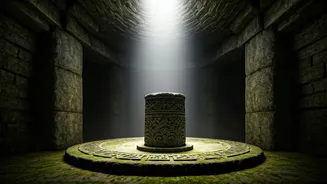
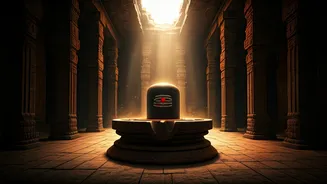
The heart of the Ambubachi Mela is the Kamakhya Temple in Guwahati, Assam. Unlike most Hindu temples centered on a statue or idol, Kamakhya’s sanctum sanctorum houses a rock fissure shaped like a yoni (vulva) that is continuously fed by an underground
spring. This site is revered as one of the most powerful Shakti Peeths—sacred places where parts of the goddess Sati’s body are believed to have fallen to Earth. During the Mela, it’s believed the goddess, an embodiment of the earth itself, undergoes her annual menstruation. The temple closes for three days as she rests, and the spring water is said to run red. This isn't a metaphor; it’s the central, literal belief that grounds the entire festival. For many Western visitors accustomed to more abstract forms of worship, this direct, physical connection to the divine is both jarring and deeply compelling.
A Convergence of Ascetics and Devotees
The festival draws millions, but its mystical reputation is cemented by the arrival of thousands of sadhus, or holy ascetics. Many are followers of Tantrism, a complex esoteric tradition focused on harnessing cosmic energies within the human body. These figures, often with matted hair and bodies smeared in ash, emerge from their secluded lives in caves and forests to be present for this potent period of creative energy. They perform intense spiritual practices and offer blessings, creating an atmosphere thick with a kind of raw, unfiltered spirituality rarely seen in public. For a traveler, navigating a sea of saffron-clad pilgrims while witnessing a dreadlocked Naga Baba in deep meditation is an experience that transcends typical tourism. It’s an immersion into a world where the line between the physical and the metaphysical feels incredibly thin.
A Celebration of the Taboo
Perhaps the most powerful element for any visitor, foreign or domestic, is the festival’s radical reframing of menstruation. In many cultures worldwide, including parts of India, menstruation is a subject of silence, shame, or ritual impurity. The Ambubachi Mela shatters this taboo. Here, the goddess's period is the source of her power to create and sustain life. It’s a cause for a massive, joyous celebration. Devotees hope to receive a small piece of red cloth, called a ‘rakta bastra,’ which has been used to cover the stone yoni during the goddess’s cycle and is considered a highly potent blessing for fertility and protection. Witnessing a biological function, so often hidden away, being elevated to the highest form of sacredness can be a profound, paradigm-shifting experience. It challenges deep-seated cultural conditioning about the body, purity, and the nature of female power.
Sensory Overload and Raw Faith
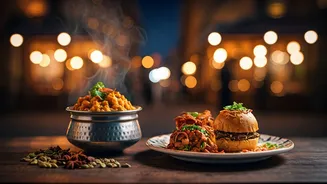
The Mela is a full-body assault on the senses. The air is thick with the scent of incense, ghee lamps, and marigolds, mixed with the sweat of a million bodies and the smell of cooking food from countless makeshift stalls. The soundscape is a constant symphony of temple bells, devotional chanting, and religious music blasted from loudspeakers. There is no quiet corner, no personal space. For many global travelers accustomed to more orderly and curated spiritual environments, this chaotic immersion is the very thing that breaks down their emotional defenses. It’s not an intellectual exercise; it’s a visceral one. Being swept up in a crowd of people whose faith is so potent and openly expressed—without cynicism or self-consciousness—forces an observer to connect with a fundamental human impulse for meaning that lies beyond language and cultural barriers.