






1. Start with an Anchor Piece
Every great mixed-era room needs a starting point. Instead of trying to sprinkle old and new elements evenly, choose one anchor piece to define the space's primary identity. This could be a modern, clean-lined sofa or a vintage Art Deco brass-and-glass
coffee table you found at a flea market. This single item becomes your North Star. If you start with a modern anchor, your task is to thoughtfully introduce vintage brass accents. If your anchor is an antique, you’ll be surrounding it with contemporary furniture and lighting. This prevents the room from feeling like a chaotic jumble and instead establishes a clear, intentional dialogue between different time periods.
2. Understand Your Brass Finishes
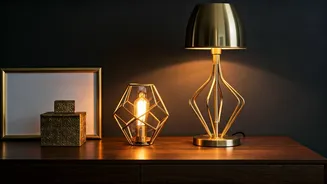
Not all brass is created equal. The finish is the secret language that communicates a specific mood. * **Polished Brass:** Bright, shiny, and unapologetically glamorous. It screams 1980s opulence but can be used in small doses for a pop of high-energy shine in a modern setting. * **Satin or Brushed Brass:** The contemporary favorite. It has a soft, matte look that's sophisticated and understated. It reads as modern and pairs beautifully with almost any style. * **Antique or Unlacquered Brass:** This is a “living finish.” It's darker, with a rich patina that deepens over time. It brings instant history, warmth, and character to a space. Don’t be afraid to mix these. A modern lamp with a brushed brass finish can live happily in the same room as antique brass drawer pulls.
3. Follow the 80/20 Guideline
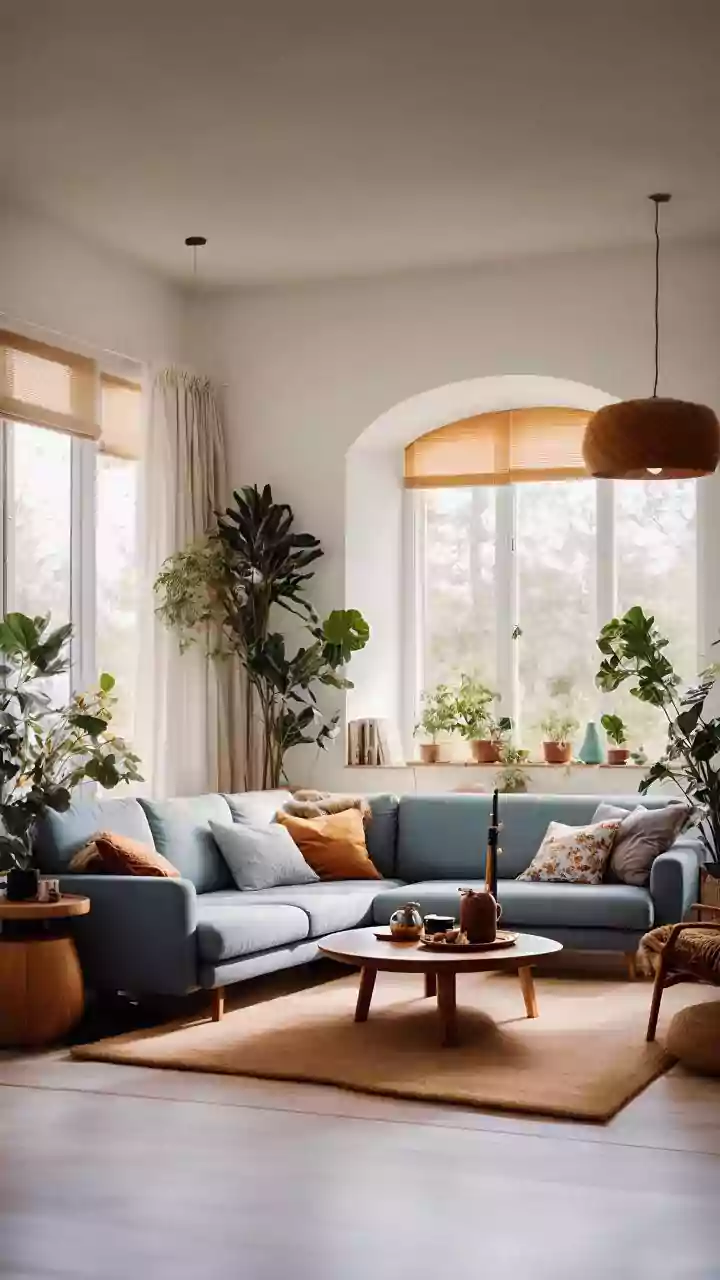
When in doubt, apply the 80/20 rule. Let your room be roughly 80% one style (e.g., contemporary minimalism) and 20% another (e.g., vintage brass accents). This ratio ensures that your accent style feels like a deliberate, curated choice rather than a mistake. For example, in a largely modern living room with a neutral-toned sofa and sleek furniture, the 20% could be a vintage brass floor lamp, a few antique brass picture frames, and a small decorative brass object on a bookshelf. This strategic sprinkling adds just enough tension and interest without overwhelming the room’s dominant modern aesthetic.
4. Create Visual Echoes
To make the fusion feel cohesive, create subtle “echoes” of your brass elements throughout the room. This doesn't mean everything has to be brass. Instead, it’s about repetition of form, color, or material. If you have a large, antique brass mirror over the fireplace, echo that warmth with smaller touches. Maybe it's the brass legs on a side table across the room, the brass hardware on a media console, or even warm, golden tones in your throw pillows or artwork. This technique helps guide the eye around the space and ties the old and new elements together into a single, harmonious story.
5. Pair with Contrasting Textures
Brass truly shines—literally and figuratively—when placed next to contrasting materials. The warmth and gleam of metal become much more impactful when you juxtapose them with different textures. Think about pairing an old brass candlestick holder with a cool, smooth marble tabletop. Or imagine a modern, brushed-brass light fixture hanging against a wall of rough, exposed brick. The contrast highlights the unique qualities of each material. Other fantastic pairings for brass include rich velvet, raw wood, sleek glass, and even industrial concrete. This play on texture is what gives professionally designed rooms their depth and tactile appeal.