
Embrace the “Why”: Sanctuary and Productivity
Before you buy a single pot, get clear on your goal. Are you looking for a mental escape, a quiet corner that helps you de-stress after a long day? That’s your “sanctuary.” Or do you want to snip fresh herbs for your cooking and feel a sense of accomplishment?
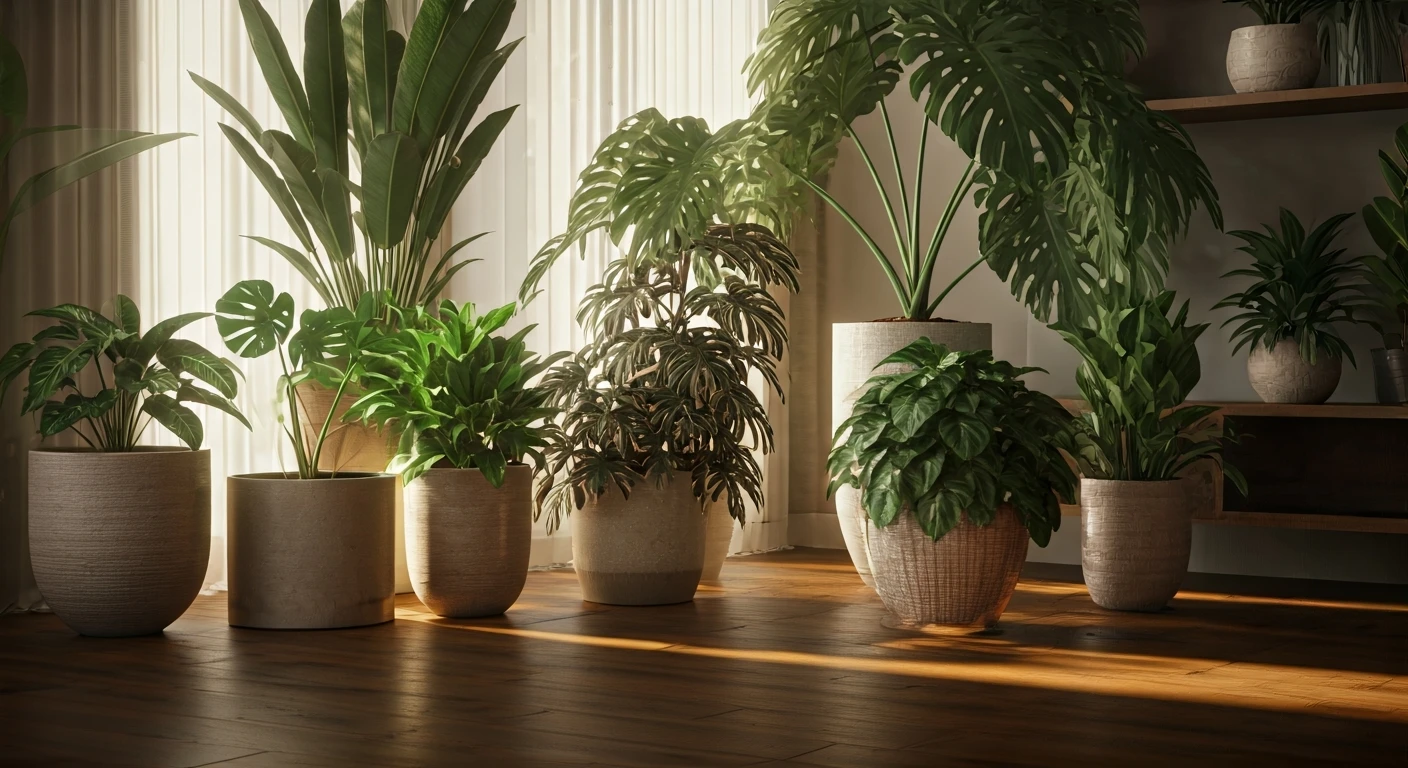
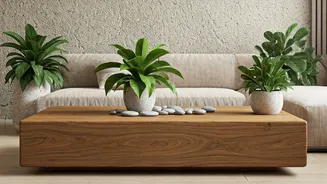
That’s the “productive” part. The good news is you don’t have to choose. A green space can be both. A few calming, broad-leafed plants can create a backdrop of tranquility, while a small pot of basil on the windowsill provides flavor for your next meal. Understanding this dual purpose will guide your choices and make the entire project more rewarding. Think of it not as decorating, but as curating an environment that serves your well-being.
Choose Your Warriors: The Unkillables
The single biggest barrier for aspiring plant parents is the fear of failure. So, start with plants that are famously resilient. These are the veterans of indoor gardening that tolerate rookie mistakes, low light, and inconsistent watering. First on your list should be the Snake Plant (Sansevieria trifasciata). It thrives on neglect, purifies the air, and has a sleek, modern look. Next, consider the ZZ Plant (Zamioculcas zamiifolia), which can survive in near darkness and with minimal water. Finally, the Pothos (Epipremnum aureum) is a fast-growing vine that will quickly give you a sense of lushness. It’s also incredibly easy to propagate, so one plant can eventually become many. Stick with these three, and you’ll build confidence fast.
Think Vertically, Not Horizontally
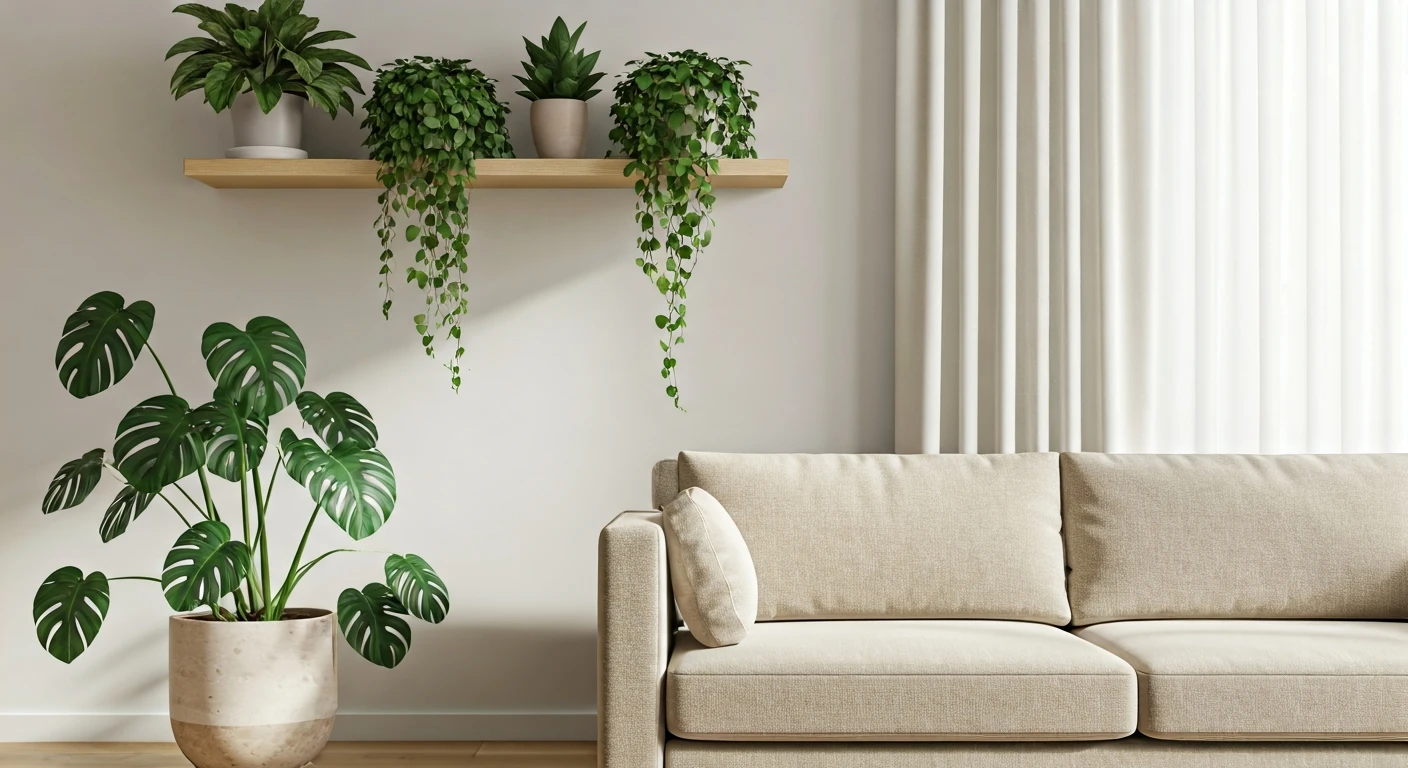
In a small urban room, floor space is gold. Don’t waste it on bulky planters. The secret to a lush indoor jungle that doesn’t feel cluttered is to go vertical. Use the space on your walls, in your corners, and hanging from the ceiling. Simple tension rods placed in a window frame can hold several small, lightweight hanging pots. Wall-mounted shelves are perfect for trailing plants like Pothos or Philodendron. You can also find stackable planters that allow you to grow multiple plants in a single footprint. By drawing the eye upward, you not only save space but also make your room feel taller and more dynamic.
Cultivate an Edible Corner
This is where the “productive” part of your sanctuary truly comes to life. You don’t need a garden to grow your own food. A single sunny windowsill is enough for a surprisingly robust herb garden. Start with the easiest ones: mint (keep it in its own pot, as it spreads aggressively), basil, chives, and parsley. These can all be grown from seeds or, even easier, from starter plants available at most grocery or hardware stores. The simple act of snipping fresh herbs to sprinkle on your dinner creates a powerful connection to your space and what it can provide. For something a little different, try growing scallions. You can regrow them endlessly by placing the white root-ends in a glass of water.
Get the Foundation Right: Pots and Soil
This is the unglamorous but critical step. The number one killer of houseplants is overwatering, which leads to root rot. Your best defense is a pot with a drainage hole. If you fall in love with a decorative pot that doesn't have one, you have two options: either drill a hole yourself or use it as a “cachepot”—simply place the plant in its cheap plastic nursery pot (which has holes) and set the whole thing inside the decorative one. When you water, take the inner pot out, let it drain completely in the sink, and then return it. As for soil, don’t just use dirt from outside. Buy a bag of all-purpose indoor potting mix. It’s specially formulated to provide the right balance of drainage, aeration, and nutrients for container plants.
Build a Simple, Sustainable Routine
Consistency is more important than perfection. Don’t just water your plants on a fixed schedule (e.g., “every Sunday”). Instead, learn to check them. Stick your finger about an inch into the soil. Is it dry? Time to water. Is it damp? Check again in a few days. For the “unkillable” plants mentioned earlier, it’s always better to underwater than overwater. Most will need a good soak until water runs out the bottom, and then they’ll want to dry out almost completely before their next drink. As for light, a spot near a window that gets bright, indirect light is the sweet spot for most houseplants. Rotate your plants every few weeks so all sides get some sun. That’s it. Check your plants once a week, and you’ll be set.