





What is a 'Shared' Campervan?
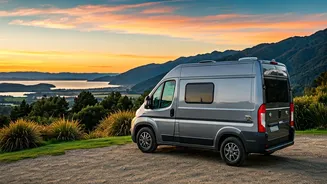
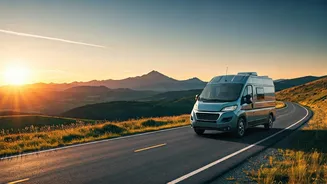
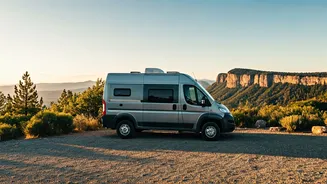
Forget the big, branded rental depots. The 'shared' campervan model is essentially the Airbnb of vehicles. These are privately owned vans, from fully-equipped modern motorhomes to quirky, converted minivans, that locals rent out to travelers when they
aren't using them. Platforms like Camplify and Mighway act as secure intermediaries, handling the booking, payment, and insurance. This peer-to-peer system often results in lower daily rates and a much wider variety of unique vehicles. You might get a cozy van with a hand-built wooden interior or a family-sized rig complete with a shower and toilet. It’s a departure from the one-size-fits-all approach of traditional rental companies, giving you a vehicle with more character and a direct connection to a local owner who can offer insider tips.
The Real Value: Cost and Flexibility
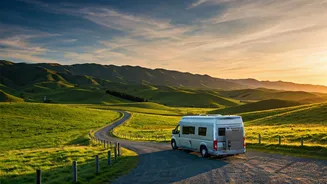
The primary draw for many is the price tag. By cutting out the overhead of a large rental corporation, daily rates for shared campervans can be significantly cheaper. But the savings don't stop there. Having a kitchen on wheels means you can drastically reduce your food budget. Instead of eating out for every meal, you can shop at local supermarkets like Pak'nSave or Countdown and cook your own meals against a backdrop of stunning scenery. This model also offers unparalleled flexibility. Unlike a trip tied to hotel reservations and bus schedules, a campervan is your transport and accommodation in one. If you fall in love with a particular beach or hiking trail, you can decide to stay another day. This freedom to follow your curiosity is the true spirit of a New Zealand road trip.
Navigating 'Freedom Camping' Rules
The romantic idea of pulling over and sleeping anywhere you please isn't quite the reality in New Zealand. The country has specific rules around 'freedom camping'—staying for free in a public place. To do so, your vehicle must typically be certified 'self-contained,' meaning it has a toilet you can use even when you are not connected to water. This is a crucial detail to check when booking your van. Municipalities have their own bylaws, and fines for illegal camping can be steep. However, responsible camping is easy with the right tools. Apps like CamperMate and Rankers are essential; they use your phone’s GPS to show designated free sites, low-cost Department of Conservation (DOC) campsites, and fully-equipped holiday parks. DOC sites, in particular, offer incredible value, placing you in spectacular natural settings for a minimal nightly fee.
Finding and Booking Your Van
The process is straightforward. Start by browsing peer-to-peer rental websites, filtering by your travel dates, location (Auckland, Christchurch, and Queenstown are major hubs), and desired features like being self-contained or having an automatic transmission. Pay close attention to the reviews from previous renters—they provide invaluable insight into the vehicle's condition and the owner's reliability. Read the insurance policy carefully. Most platforms offer a basic level of coverage, with options to upgrade for a lower deductible. Don't be afraid to message the owner with questions before booking. Ask about fuel efficiency, storage space, or any quirks the van might have. For travel during New Zealand's peak summer season (December to February), it’s wise to book several months in advance to secure the best vehicle at a good price.
Tips for a Smooth Ride
Once you've booked your van, a little preparation goes a long way. First, remember that New Zealanders drive on the left side of the road, which can take a day or two to get used to. Roads can also be narrower and more winding than what many American drivers are accustomed to, so plan for longer driving times than Google Maps might suggest. Pack light; space is always at a premium in a campervan. Bring layers of clothing, as the weather can change in an instant. Finally, embrace the ethos of 'Tiaki,' a Māori concept of caring for people, place, and culture. This means leaving every campsite cleaner than you found it, respecting local communities, and traveling with an open heart. It’s the key to not just seeing New Zealand, but truly experiencing it.