
From Afterthought to Headliner
For generations, the typical American dinner plate was a predictable stage: a large protein held the lead role, a starch played the supporting actor, and vegetables were relegated to the background, often overcooked and under-seasoned. But a major cultural
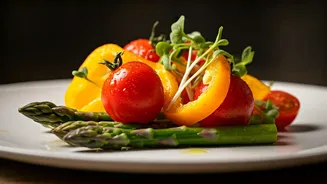
and culinary shift is underway. Vegetables are no longer just a healthy obligation; they are becoming the star of the show. This isn't just about eating more salads. This is about a fundamental re-evaluation of what a satisfying meal can be. Several forces are driving this green revolution. Health and wellness trends have long pointed to the benefits of plant-based eating, but now sustainability and economic factors are adding to the momentum. As consumers become more aware of the environmental footprint of meat production and face rising grocery bills, the humble, versatile, and more affordable vegetable starts to look like a hero.
The Fine-Dining Glow-Up
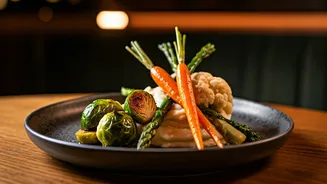
The transformation didn't start in the home kitchen; it began under the bright lights of high-end restaurants. Visionary chefs, tired of the steak-and-potatoes formula, began exploring the incredible diversity of flavor, texture, and color found in the plant kingdom. Restaurants like Amanda Cohen's Dirt Candy in New York City have been proving for years that a meal without meat can be a dazzling, destination-worthy experience. This top-down influence is crucial. When a world-renowned chef serves a beet tartare or a celery root 'pastrami' that gets rave reviews, it gives other chefs—and adventurous home cooks—permission to get creative. They demonstrated that with the right technique (roasting, charring, fermenting, braising), a carrot isn't just a carrot; it can be sweet, smoky, savory, and deeply complex. This chef-driven respect has elevated produce from a mere ingredient to a canvas for artistry.
Not Just a Steak Substitute
A key part of this new era is moving beyond the idea of vegetables as a substitute for meat. The early days of vegetarianism were often defined by what they lacked, with soy-based products molded to mimic burgers or chicken nuggets. The current movement is about celebrating vegetables for what they are. Think of the thick, cross-cut 'steaks' made from cauliflower or cabbage, roasted until caramelized and served with a rich sauce. These aren't trying to trick you into thinking you're eating beef; they're celebrating the unique, hearty qualities of the vegetable itself. We're seeing mushrooms, with their umami-rich flavor, seared like scallops. We’re seeing whole roasted heads of broccoli or cabbage presented family-style, commanding the center of the table. This approach focuses on inherent textures and flavors, unlocking a new culinary vocabulary that is exciting, delicious, and entirely plant-based.
TikTok Made Me Eat It
What starts in fine dining often trickles down, and social media has turned that trickle into a firehose. Platforms like TikTok and Instagram have become powerful engines for democratizing food trends. A visually stunning dish, like a vibrant pink beet hummus or a gorgeously arranged 'rainbow' salad, can go viral in hours, reaching millions of people who might never read a restaurant review. Short-form video is perfectly suited to showcasing a simple, transformative technique—like the viral method for making crispy smashed potatoes or turning bell peppers into 'bowls' for other ingredients. These platforms make sophisticated vegetable cookery feel accessible, fun, and aspirational. When an influencer you follow posts a rave about a parsnip purée, it suddenly seems less intimidating and more like something you could try making for dinner tonight, solidifying the vegetable's new status as a covetable star.