



Welcome to the Abode of Clouds
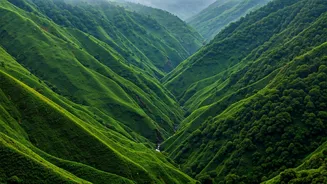
For most Americans, Meghalaya is a place they’ve likely never heard of, a small state nestled in the hills of northeastern India, bordering Bangladesh. But its name, which translates from Sanskrit to “the abode of the clouds,” is a literal description.
This region is home to some of the wettest places on Earth, including the towns of Mawsynram and Cherrapunji, which hold records for the highest annual rainfall on the planet. While a city like Seattle gets around 38 inches of rain a year, Mawsynram receives a staggering average of 467 inches. The state capital, Shillong, often called the “Scotland of the East” for its rolling hills, acts as a gateway to this unique climatic zone. The landscape here isn’t just defined by rain; it is sculpted, fed, and brought to its most dramatic life by it.
A World Transformed by Water
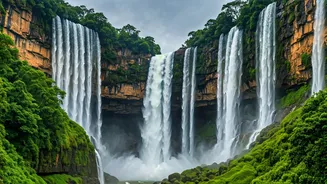
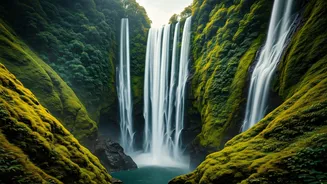
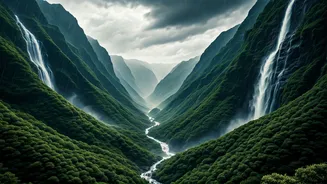
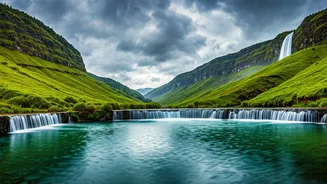
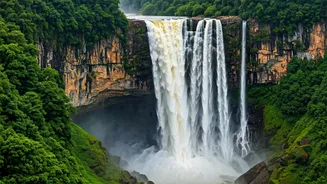
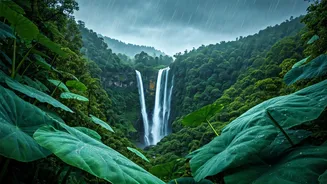
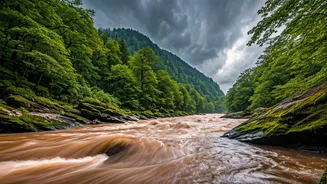
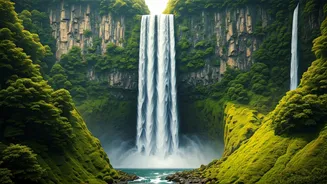
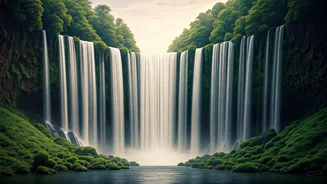
The headline’s dramatic language—rivers that “explode in grandeur”—is no exaggeration. For much of the year, Meghalaya’s rivers can be serene, winding through deep gorges with placid, clear water. But when the monsoon season hits, typically from June to September, the transformation is breathtaking. The sheer volume of water cascading from the sky swells these waterways into raging, powerful torrents. Gentle streams become thunderous rapids. The steep hillsides, unable to absorb the deluge, sprout thousands of temporary waterfalls that cascade over cliffs, creating a scene of almost mythic beauty. The sound of rushing water becomes the dominant soundtrack of daily life, and the air grows thick with mist and the smell of wet earth. It’s a complete sensory overhaul, as the entire ecosystem shifts into a higher gear.
The Two Faces of the Umngot River
Perhaps no place illustrates this dramatic shift better than the Umngot River in the town of Dawki. In the drier months, the Umngot is famous for its almost unbelievable clarity. The water is so transparent that boats seem to float in mid-air, casting sharp shadows on the riverbed far below. It’s a viral-image-worthy phenomenon that draws visitors from around the world. But during the monsoon, this crystal-clear jewel becomes an entirely different beast. Swelled with rain and sediment from the surrounding hills, the Umngot turns from a placid, gin-clear stream into a powerful, churning artery of murky green water. Its force is formidable, a potent display of nature’s raw energy that stands in stark contrast to its tranquil alter ego. Seeing the river in both states is to understand the profound duality of Meghalaya’s environment.
Living With the Deluge
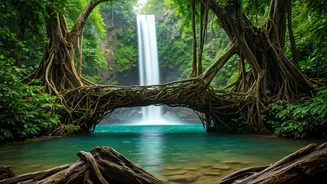
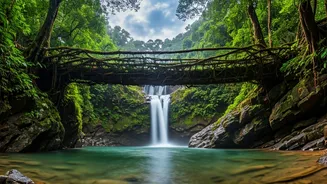
This extreme environment has fostered a unique culture of adaptation. For centuries, the indigenous Khasi and Jaintia peoples have developed ingenious ways to coexist with the constant water. The most famous example is the region’s living root bridges. Instead of building wooden structures that would quickly rot in the damp climate, locals learned to guide the aerial roots of rubber fig trees across rivers and gorges. Over decades, these roots grow and intertwine to form strong, living bridges that become more robust over time, perfectly suited to withstand the monsoon’s fury. These bridges are more than just infrastructure; they are a symbol of a deep, symbiotic relationship between people and their environment, a testament to the resilience and ingenuity required to thrive in the abode of the clouds.