





A Kaleidoscope of Himalayan Flora
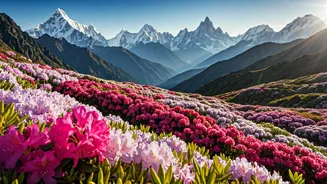
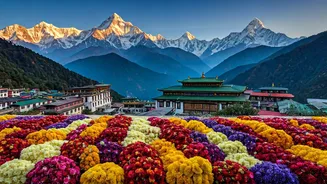
The undeniable star of the Gangtok Summer Festival is the flower show. While many cities have floral exhibitions, this one is different. Held at the Flower Exhibition Centre near White Hall, it’s a showcase of the staggering biodiversity of Sikkim, a region
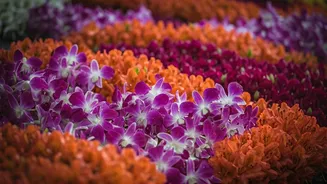
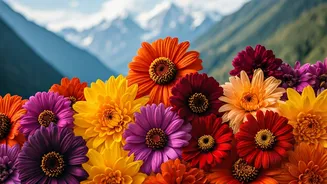
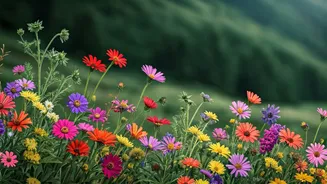
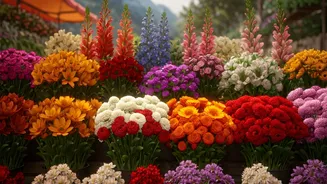
botanists consider a treasure trove. The festival, typically running through May, coincides with the peak blooming season. Visitors are met with an explosion of color from hundreds of species of orchids, gladioli, and cacti. But the main event is the rhododendrons. Sikkim is home to over 35 species of this iconic mountain flower, and the festival displays them in breathtaking arrangements, from deep crimson to brilliant white and soft pink. It’s less a manicured garden and more a living museum of the region's natural artistry, making every corner a perfect shot for photographers and nature lovers.
The Rhythms of a Mountain Culture
Beyond the botanical beauty, the festival is a vibrant stage for Sikkimese culture. The air thrums with the sound of traditional music as local troupes perform folk dances that tell ancient stories. You might see the energetic Maruni dance, a staple of the local Nepali community, or the captivating Yak Chaam, where dancers don a massive yak costume to depict the relationship between herders and their most prized animal. The performers, dressed in intricate, brightly colored traditional attire—the Kho for men and Bakhu for women—are a spectacle in themselves. These performances aren't just for tourists; they are a proud, living expression of a culture that blends Tibetan Buddhist, Nepali, and Lepcha traditions. For an American visitor, it’s an immersive and authentic experience that goes far beyond a typical sightseeing stop.
A Culinary Tour on a Single Street
No festival is complete without food, and Gangtok’s delivers a delicious introduction to Himalayan cuisine. The city’s main thoroughfare, the pedestrian-only M.G. Marg, transforms into an open-air food court. The air fills with the savory steam rising from vendors selling momos, the ubiquitous Tibetan-style dumplings filled with meat or vegetables and served with a fiery chili sauce. You can also sample thukpa, a hearty noodle soup perfect for the cool mountain evenings, or phagshapa, a flavorful dish of pork fat stewed with radishes and dried chilies. For the more adventurous, there's gundruk and sinki, fermented vegetable preparations that are staples of the local diet. It’s a chance to taste the soul of Sikkim, where food is simple, flavorful, and deeply connected to the land.
Your Gateway to the Eastern Himalayas
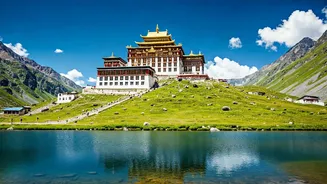
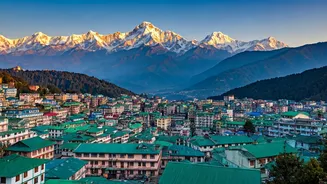
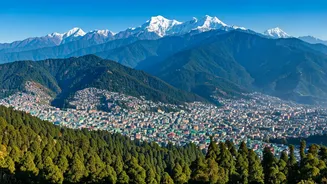
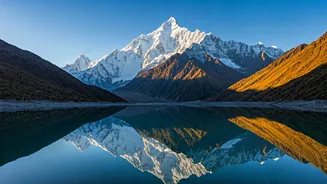
While the festival itself is a huge draw, its greatest strength may be how it serves as the perfect introduction to Gangtok and the wider state of Sikkim. The event’s energy encourages exploration. From the festival grounds, you’re just a short drive from iconic sites like the Rumtek Monastery, a stunning center of Tibetan Buddhism with panoramic valley views. On clear days, the Tashi Viewpoint offers breathtaking sunrises over the snow-capped peak of Kanchenjunga. The festival also often includes adventure sports elements like yak safaris, offering a quirky and memorable way to see the surrounding landscape. It frames Gangtok not just as a place to visit, but as a basecamp for trekking, spiritual pilgrimage, and unparalleled mountain adventures, all while being one of the cleanest and most organized cities in India.