






The Disappearance of Built-In Rhythms
For decades, the structure of the traditional office provided a natural, if unintentional, wellness plan. The morning commute forced you to move. Walking to a conference room, heading out for lunch, or swinging by a colleague’s desk created micro-breaks
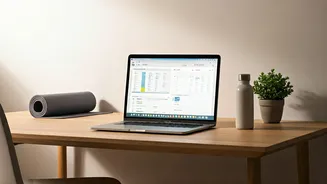
and physical transitions. These weren't 'wellness strategies'; they were simply the architecture of work. Water cooler chats weren't scheduled 'social connection time'—they just happened. With the rise of remote and hybrid work, that entire scaffold has vanished. We haven't just lost the commute; we've lost the dozens of small, non-work-related physical actions that punctuated the day. Now, a knowledge worker can realistically spend eight hours moving only from their desk to their kitchen. This void isn't neutral. It creates a vacuum that must be consciously filled. The 'unbundling' of the office has forced the 'bundling' of well-being into our own to-do lists.
Your Body as a Performance Metric
Nature abhors a vacuum, and corporate culture abhors an unmanaged variable. Into the space left by natural rhythms has rushed the culture of optimization. Your physical state is no longer just your own business; it's a key performance indicator. Taking a 15-minute walk isn't for pleasure; it's to 'boost cognitive function' for the next meeting. A midday workout is scheduled to 'combat the afternoon slump.' Even rest is instrumentalized. We don't just sleep; we 'optimize our sleep hygiene' for 'peak performance tomorrow.'
This is fueled by a deluge of wearable tech, productivity apps, and corporate wellness platforms that encourage us to track, measure, and gamify our existence. Steps, standing hours, heart rate variability, and 'focus time' are all data points to be analyzed. The underlying message is clear: a healthier employee is a more productive employee. Your body is no longer just a body; it's an asset to be managed for maximum ROI.
The Cognitive Load of Self-Management
Herein lies the paradox. The freedom to manage your own time and physical environment comes with a hidden tax: the cognitive load of constant self-regulation. Every choice is now a professional one. 'Should I use this 20-minute gap to answer emails or go for a walk?' 'Is this chair ergonomic enough?' 'Am I drinking enough water to maintain focus?'
This creates a new, invisible form of labor. It’s the meta-work of managing the conditions for work. This constant decision-making can be exhausting, leading to a unique form of burnout where you’re not just tired from your job, but tired from the effort of trying to do your job well. The pressure is no longer just to deliver the report on time, but to have managed your posture, hydration, and mental state perfectly in the process. It's the tyranny of should, applied to our most basic human needs.
Reclaiming Unproductive Rest
The solution isn’t to abandon wellness or embrace a sedentary life. Instead, it’s to reframe the purpose. The pushback against this hyper-optimization is a movement toward reclaiming the simple, unproductive nature of movement and rest. A walk can just be a walk, not a productivity hack. Staring out the window can just be a moment of quiet, not a 'strategic pause for creative insight.'
This requires a conscious decoupling of well-being from performance. It’s about recognizing that rest is not a tool to become a better worker, but a fundamental human right that makes you a better person. It’s about permitting yourself moments of aimlessness without feeling the need to justify them on a timesheet or a wellness app. The most radical professional decision you can make today might be to do something for your body that has absolutely no professional benefit at all.