





The Backlash to 'More is More'
For years, the gold standard of skincare was complexity. Influenced by the elaborate multi-step Korean beauty regimens that went viral in the 2010s, many of us were convinced that the path to glowing skin involved a small army of products: double cleansers,
toners, essences, serums (sometimes layered three deep), ampoules, sheet masks, eye creams, moisturizers, and sleeping packs. It was a ritual that was not only time-consuming but also incredibly expensive. The underlying message was simple: more is more. But for a growing number of consumers, the weight of all those bottles—both on their shelves and on their credit card statements—has become too much. This maximalist approach, once seen as the peak of self-care, is now being viewed as overwhelming, unsustainable, and, in some cases, even counterproductive for skin health.
Meet 'Skinimalism': Less Product, Better Skin
Enter “skinimalism,” the trend that’s officially replacing the 10-step routine. A blend of “skin” and “minimalism,” the philosophy champions a less-is-more approach. It’s not about neglecting your skin; it's about being more intentional. The core idea is to pare back your routine to a few hardworking essentials and embrace your skin's natural texture, rather than trying to spackle, filter, or erase every perceived imperfection. The new goal isn't a flawless, poreless finish, but healthy, resilient, and balanced skin. This often means focusing on protecting the skin barrier—the body’s first line of defense—which can be easily compromised by using too many active ingredients or harsh exfoliants. Skinimalism encourages using gentle cleansers, hydrating moisturizers, and a daily SPF, forming a simple yet powerful foundation for long-term skin health.
Why Now? Burnout, Budgets, and Authenticity
So why is this shift happening with such velocity? It’s a perfect storm of cultural and economic factors. First, there's the budget. With inflation squeezing household incomes, spending hundreds of dollars on a cabinet full of serums is no longer feasible or desirable for many. People are looking for value, which increasingly means multi-tasking products that deliver results without breaking the bank. Second is decision fatigue and burnout. The constant churn of new “must-have” viral products on TikTok has left consumers exhausted. A counter-movement, dubbed “deinfluencing,” has even emerged, with creators telling their followers which hyped products *not* to buy. Finally, there’s a broader cultural pivot towards authenticity. After years of chasing a filtered, hyper-perfected ideal, many are craving a more realistic and forgiving standard of beauty. The skinimalist ethos fits perfectly, celebrating real skin and freeing people from the pressure of a complicated, performative routine.
How to Build Your New 'Essential' Shelf
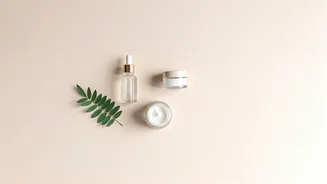
Simplifying your routine doesn't mean throwing everything out overnight. It’s about making a mindful edit. Start with the undisputed pillars of any great skincare regimen: a gentle cleanser that doesn't strip your skin, a moisturizer suited to your skin type, and a broad-spectrum sunscreen with at least SPF 30 for daily use. This is your foundational trio. From there, consider what your skin *actually* needs. Instead of five different serums, maybe one well-formulated vitamin C serum for daytime antioxidant protection is enough. Look for multi-tasking heroes, like a hydrating moisturizer that also contains niacinamide to soothe redness or a tinted SPF that provides light coverage. A great way to start is with a “skin fast,” where you strip your routine back to just cleansing and moisturizing for a week to see how your skin responds. You might be surprised to find it’s happier with less.