





The 'Go Hard or Go Home' Era
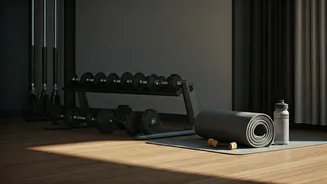
To understand the shift, you have to remember what dominated fitness culture for the last decade. Millennials came of age with the rise of CrossFit, the boutique-studio boom, and the pervasive belief that a workout wasn't worthwhile unless it left you breathless,
sore, and possibly questioning your life choices. This was the era of the 'before and after' photo, where fitness was framed as a battle—a physical transformation project fueled by high-intensity interval training (HIIT), punishing bootcamps, and an aesthetic drive for a specific, lean physique. The message was clear: push your body to its absolute limit. Rest was for the weak; optimization was the goal. It was a fitness culture that mirrored the 'hustle' mentality of the workplace—more is always better.
Movement as Self-Care, Not Punishment
Gen Z is rewriting that script. For this generation, which grew up online amid conversations about mental health and burnout, fitness is being reframed as a tool for self-care, not self-punishment. The goal isn't to conquer the body, but to connect with it. This has given rise to trends that would have been unthinkable in the peak-HIIT era. Think 'cozy cardio,' where low-impact activities like using a stationary bike or walking on a treadmill are done while watching a favorite movie. Or the 'hot girl walk,' a social media phenomenon that celebrates simply walking outside for mental clarity and physical wellness, often with a podcast or curated playlist. These aren't about burning the maximum number of calories; they’re about managing anxiety, boosting mood, and finding sustainable joy in movement.
Slowing Down in a Burnt-Out World
This pivot in the gym is directly linked to a broader cultural rejection of 'hustle culture.' Having witnessed the burnout of their Millennial predecessors, many in Gen Z are skeptical of the always-on, productivity-obsessed mindset. Extreme workouts are, in many ways, the physical embodiment of that hustle—another task to be optimized, another mountain to conquer before sunrise. By choosing gentler, more intuitive forms of movement, they are making a statement: their worth is not tied to their output, either in the office or on the treadmill. This 'soft living' ethos prioritizes peace over relentless striving. A leisurely walk or a mindful Pilates session is not a 'lesser' workout; it's a deliberate choice to nurture the nervous system instead of shocking it.
From Transformation Photos to Feeling Good
Perhaps the most significant change is the shift from aesthetics to feeling. The Millennial fitness boom was heavily documented through visual progress, often on Instagram. The goal was external: a six-pack, toned arms, a body that looked 'fit.' Gen Z’s approach, amplified on platforms like TikTok, is more focused on the internal experience. They talk about how a workout *feels*—does it reduce stress? Does it provide a sense of accomplishment? Does it feel good in their body today? This has fueled the popularity of activities like yoga, Pilates, and mobility work, which emphasize mind-body connection, flexibility, and strength without the high-impact strain. The focus on body neutrality over body positivity or negativity means the goal is to respect the body, not to constantly try to change it.