

Embrace the No-Cook Kitchen
The most compelling argument for a summer salad is what it doesn’t require: heat. When a heatwave descends, your oven and stovetop become enemies of a comfortable home. Every flick of a knob adds to the ambient temperature, fighting a losing battle against
your air conditioner. A salad, in its purest form, is an act of culinary pacifism. It’s an agreement you make with yourself to keep things cool. By relying on fresh produce, pre-cooked proteins like rotisserie chicken or canned beans, and simple knife work, you can create a satisfying, complex meal without generating a single extra degree of warmth. This isn't just about laziness; it’s about strategic comfort. It’s about reclaiming your kitchen as a cool, pleasant space, not a sweat lodge you have to endure for the sake of dinner.
Hydration on a Plate
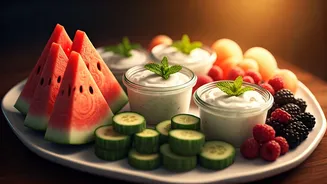
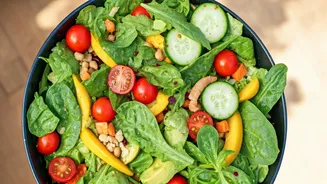
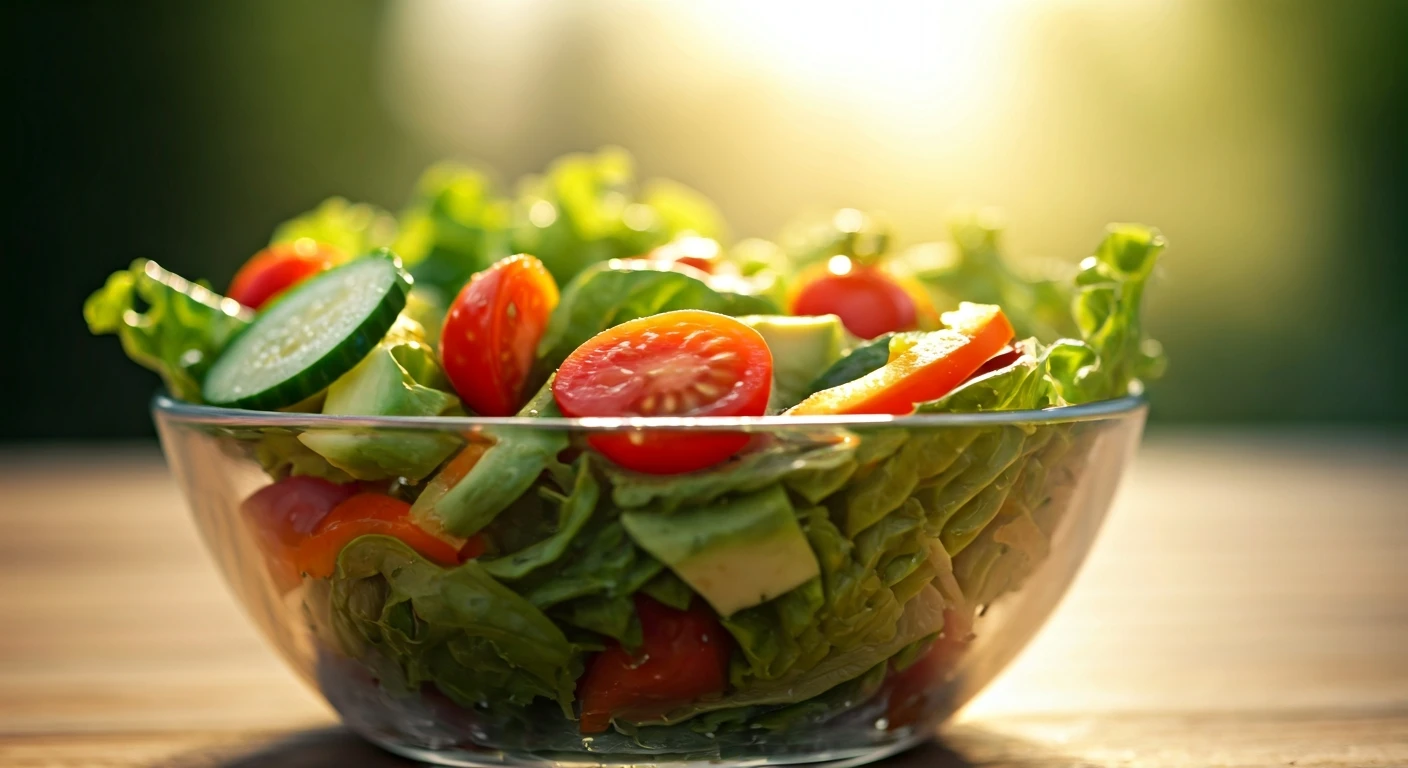
We all know we need to drink more water when it's hot, but staying hydrated can also be a delicious endeavor. Many classic salad ingredients are hydration superstars. Cucumbers and iceberg lettuce are over 95% water. Juicy tomatoes, watermelon, bell peppers, and celery are not far behind. When you eat a salad packed with these ingredients, you're not just getting nutrients; you're ingesting water in its most flavorful form. This approach to hydration is more effective than you might think. The water in fruits and vegetables is absorbed more slowly than a glass of plain water, thanks to the fiber that accompanies it, providing a more sustained hydrating effect. A crisp, cool salad on a hot day is, quite literally, a way to eat your water.
Energy Without the Slump
Heat already makes us feel sluggish. The last thing you need is a heavy, carb-laden meal that triggers a post-dinner stupor. Rich, fatty, and hard-to-digest foods require your body to work harder, generating more internal heat in a process called diet-induced thermogenesis. This is why a hearty stew feels so right in January but so wrong in July. Salads offer the opposite experience. They are typically built on a foundation of nutrient-dense, easily digestible ingredients. Leafy greens, vibrant vegetables, lean proteins, and healthy fats from nuts, seeds, or avocado provide a steady stream of energy without the metabolic crash. You finish the meal feeling refreshed and energized, not weighed down and ready for a nap.
The Anatomy of a Great Heatwave Salad
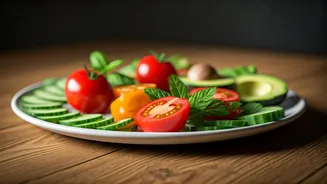
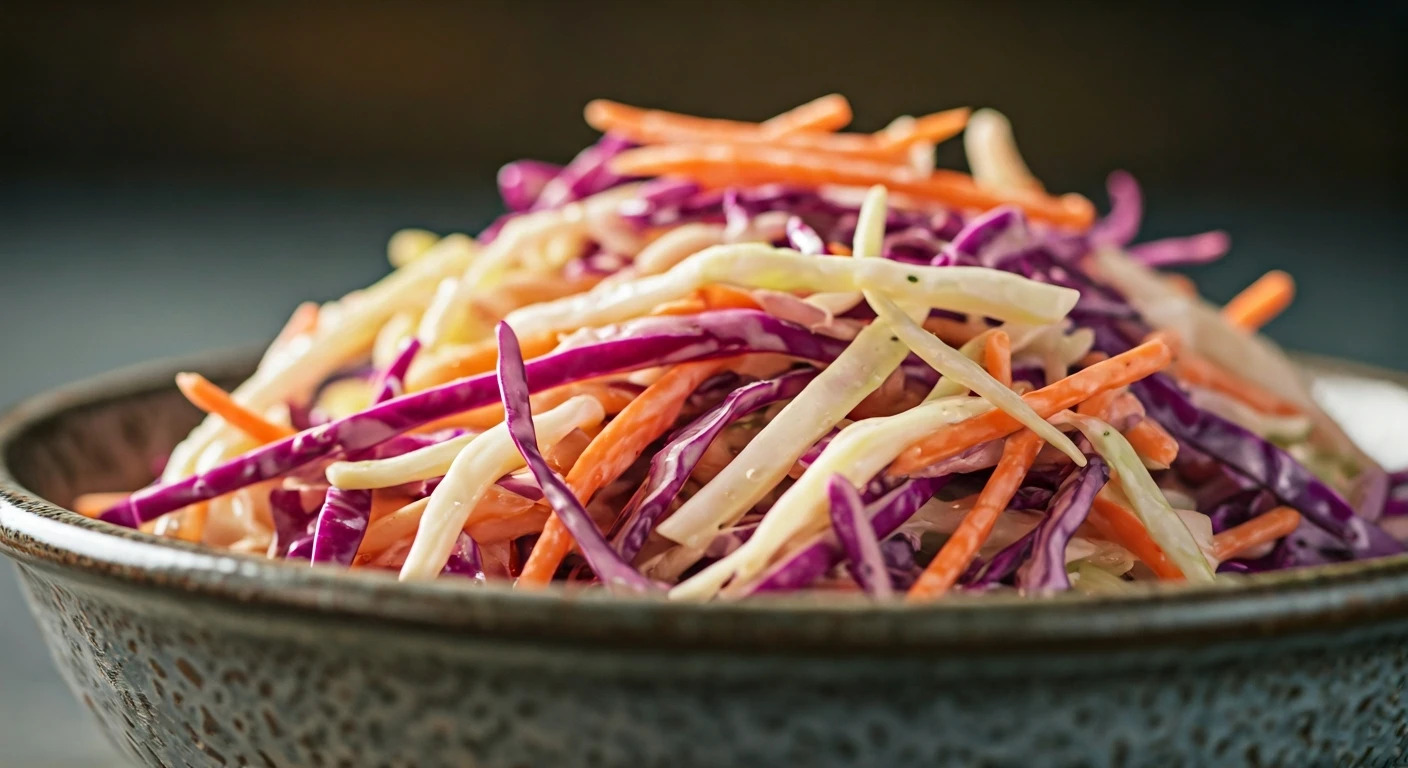
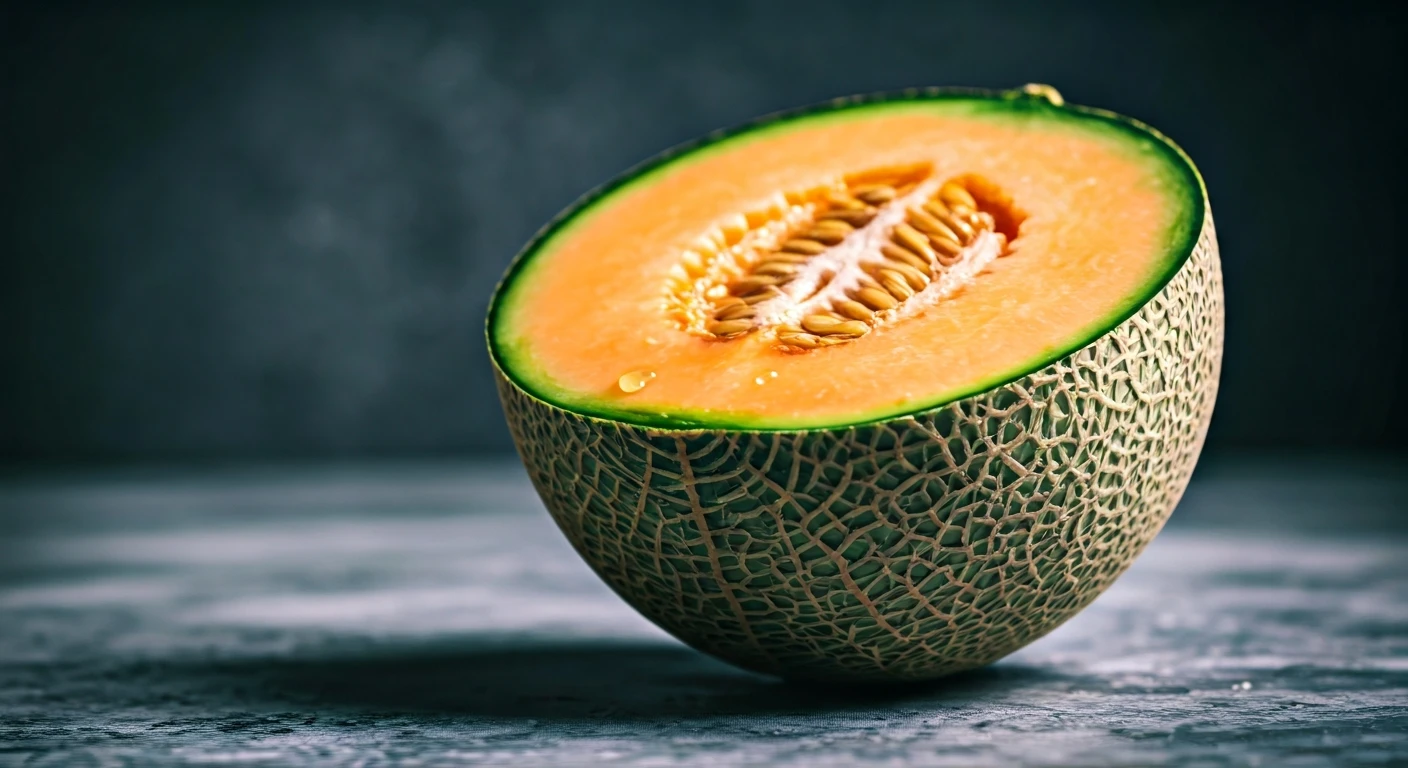
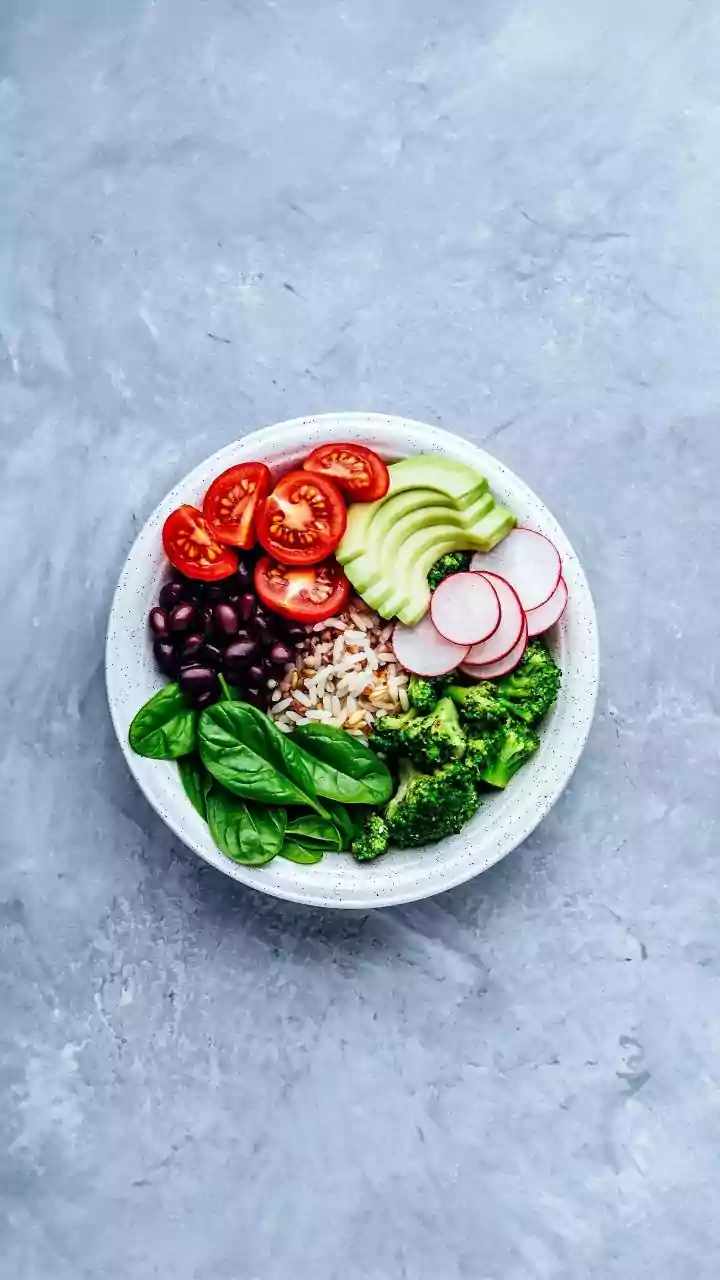
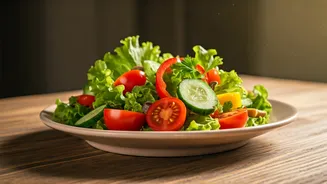
Building the perfect lazy summer salad is more of a formula than a strict recipe. It’s about combining textures, temperatures, and flavors. First, start with a base. It can be classic greens, but also consider heartier options like quinoa, chickpeas, or shredded cabbage for more heft. Next, add the hydration heroes: cucumber, tomatoes, melon, or bell peppers. Then comes the protein, the element that turns a side dish into a meal. Think low-effort: a can of tuna, leftover grilled chicken, hard-boiled eggs, or canned chickpeas. Don't forget the crunch and fat for satisfaction. This could be a handful of toasted nuts, sunflower seeds, crispy onions, or a creamy avocado. Finally, the dressing. A simple vinaigrette of olive oil, lemon juice, salt, and pepper is all you need to tie everything together in a bright, zesty bow.
Inspiration, Not Just Instruction
The beauty of the salad is its infinite adaptability. You don't need a recipe, just a spark of an idea. Think of it as a culinary choose-your-own-adventure. Consider a Mediterranean vibe with cucumbers, tomatoes, feta, olives, and chickpeas. Or go for a sweet-and-savory combo with chunks of watermelon, fresh mint, feta cheese, and a drizzle of balsamic glaze. A can of black beans, a can of corn, some chopped red onion, and half an avocado makes a perfect Southwestern-inspired bowl. Have a rotisserie chicken from the store? Shred some meat and toss it with sliced peaches, pecans, and a handful of arugula for an elegant dinner that took five minutes to assemble. The goal isn't to follow rules but to use what's fresh, what's easy, and what sounds delicious.